Critical Errors to Sidestep After a Car Crash
Discover vital missteps that could derail your recovery and claim after a vehicle collision—arm yourself with knowledge to protect your rights and health.

Vehicle collisions disrupt lives in an instant, triggering a cascade of urgent decisions that can profoundly impact health outcomes, legal standings, and financial recovery. While the immediate shock often clouds judgment, recognizing and avoiding frequent misjudgments empowers individuals to navigate the aftermath effectively. This guide delves into essential actions and pitfalls, drawing from established safety protocols to help you preserve evidence, secure proper care, and build a robust case for compensation.
Immediate Safety Protocols: Your First Priority
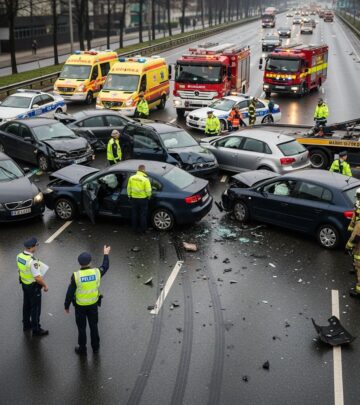
The moments following a crash demand swift, deliberate responses to protect everyone involved. Adrenaline surges can obscure dangers, making it vital to methodically assess the scene before any other steps.
- Activate hazard lights and ensure vehicle stability: Turn on emergency flashers immediately to alert other drivers, and if safe, move your car out of traffic to a shoulder or intersection edge.
- Assess for personal and others’ injuries: Check yourself and passengers first, then approach other vehicles cautiously, offering aid without moving injured parties unless there’s imminent peril like fire or traffic.
- Prevent secondary incidents: Place reflective triangles or flares if available, especially in low-visibility conditions such as night or fog.
These foundational steps minimize further harm and set the stage for documentation, underscoring that safety supersedes all else in the chaos.
Why Skipping Police Involvement is a Grave Oversight
One of the most recurrent errors is neglecting to notify law enforcement, even in seemingly trivial fender-benders. An official report serves as impartial documentation, capturing details like fault determinations, witness accounts, and scene conditions that insurers and courts rely on heavily.
Without this record, disputes over responsibility escalate, often favoring parties with slicker narratives. In many jurisdictions, reporting is legally mandated for accidents involving injury, death, or property damage exceeding specific thresholds—failure invites fines or license penalties. Always dial emergency services promptly; officers provide not just paperwork but also traffic control and initial medical coordination.
| Scenario | Why Report? | Potential Consequences of Skipping |
|---|---|---|
| Minor damage, no injuries | Establishes baseline facts | Insurance denial, liability disputes |
| Injuries present | Triggers medical response | Legal penalties, weakened claims |
| Hit-and-run suspicion | Launches investigation | Lost recovery opportunities |
The Hidden Dangers of Delayed Medical Evaluation
Post-crash, the body’s fight-or-flight response masks symptoms, leading many to dismiss nagging discomforts as temporary soreness. Delaying professional assessment is perilous: conditions like concussions, soft-tissue damage, or internal bleeding may emerge hours or days later, complicating treatment and claim validity.
Medical records form the cornerstone of compensation demands, quantifying injuries through diagnostics and timelines. Insurers scrutinize gaps in care, arguing pre-existing issues or exaggeration. Seek evaluation at an ER or clinic within hours—report all symptoms, no matter how minor, to create a comprehensive baseline. Follow-ups solidify ongoing needs, countering arguments of recovery.
Avoiding Admissions: Guarding Against Self-Incrimination
Instinctive politeness prompts apologies or speculative comments like “I didn’t see you,” which adversaries twist into fault confessions. Such statements, even empathetic, permeate insurance evaluations and litigation, undermining your position irrecoverably.
Restrict dialogue to essentials: confirm well-being, exchange mandated details. Politely defer deeper discussions, noting that investigations clarify causation. Training reinforces this: empathy doesn’t equate to liability—preserve ambiguity for professionals to resolve.
Mastering Evidence Collection at the Scene
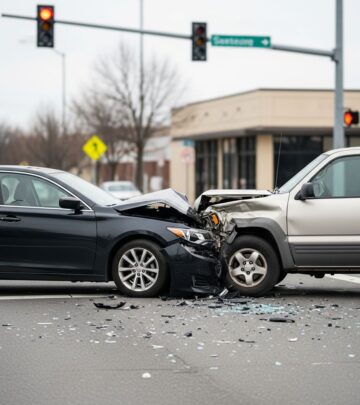
In the digital age, smartphones transform bystanders into documentarians. Omitting photos or videos forfeits irrefutable proof of vehicle positions, damages, signage, and environmental factors that narratives can’t fabricate.
- Capture wide-angle shots of the overall scene.
- Detail each vehicle’s damage from multiple angles, including plates.
- Record road marks, signals, and weather impacts.
- Obtain witness contacts voluntarily.
Time-stamped media withstands scrutiny better than memory, bolstering claims against disputants.
Navigating Insurance Communications with Precision
Carriers initiate contact swiftly, probing for inconsistencies to minimize payouts. Voluminous disclosures without counsel invite misinterpretation, jeopardizing full restitution.
Notify your provider factually, then cease elaboration. Designate an attorney as intermediary for opponent interactions, ensuring statements align strategically. Recorded calls amplify risks—brevity protects.
The Perils of Rushed Financial Resolutions
Quick cash tempts, but initial offers undervalue latent costs like therapies, lost wages, or pain. Premature signatures release rights to future demands, locking in shortfalls.
Calculate totality: medical projections, repairs, income gaps. Legal review verifies fairness, often negotiating multiples higher. Patience yields equity.
Digital Footprints: Social Media’s Subtle Trap
Impulsive posts portraying normalcy contradict claims, furnishing insurers pretext for denial. Vacations or activities, however innocuous, fuel skepticism.
Enforce a blackout: no shares until resolution. Inform networks of privacy needs.
Honoring Deadlines and Sustaining Records
Statutes of limitations vary, typically 1-3 years for claims—miss them, forfeit recourse.
Maintain a dossier: bills, reports, correspondences. Track appointments to affirm diligence.
Long-Term Ramifications of Post-Crash Choices
Missteps cascade: untreated injuries chronicize, weak evidence dilutes settlements, admissions inflate premiums. Proactive measures conversely expedite resolutions, maximizing support.
Consider psychological tolls—PTSD affects 30% of serious crash survivors per studies. Holistic recovery integrates therapy.
Frequently Asked Questions
What if the accident was minor?
Even fender-benders warrant police, photos, and check-ups—hidden issues lurk.
Do I need a lawyer for every crash?
Not always, but for disputes or injuries, yes—contingency bases minimize risk.
How soon must I file with insurance?
Typically 24-72 hours; confirm policy specifics promptly.
Can I drive away if unhurt?
No—leaving constitutes hit-and-run, punishable severely.
What about rideshare or commercial crashes?
Layered policies complicate; specialized counsel essential.
Empowering Recovery: Key Takeaways
Armed with awareness, transform crisis into controlled process. Prioritize safety, document meticulously, seek expertise—secure the justice deserved.
References
- Common Mistakes Made Immediately Following a Car Accident — Werner Hoffman. 2023-05-15. https://wernerhoffman.com/blog/mistakes-after-a-car-accident/
- The most common mistakes people make after a car accident — Castle Law KC. 2024-02-10. https://www.castlelaw-kc.com/blog/common-mistakes-people-make-after-a-car-crash.cfm
- 7 Mistakes People Make After a Car Accident and How to Avoid Them — Wmkylaw. 2023-11-20. https://wmkylaw.com/blog/7-mistakes-people-make-after-a-car-accident-and-how-to-avoid-them/
- 10 Mistakes to Avoid After a Wreck — Finderson Law. 2024-01-08. https://www.findersonlaw.com/car-accident-lawyer/mistakes-avoid-after-auto-wreck/
- Biggest mistakes injured drivers and passengers make after car accidents — Johnny Phillips Law. 2023-07-12. https://www.johnnyphillipslaw.com/biggest-mistakes-injured-drivers-and-passengers-make-after-car-accidents/
Similar Articles








Read full bio of medha deb