Credit Vs Debit Cards: Safer Online Payments Guide
Discover why credit cards outshine debit cards for online security and how to protect yourself from fraud risks effectively.
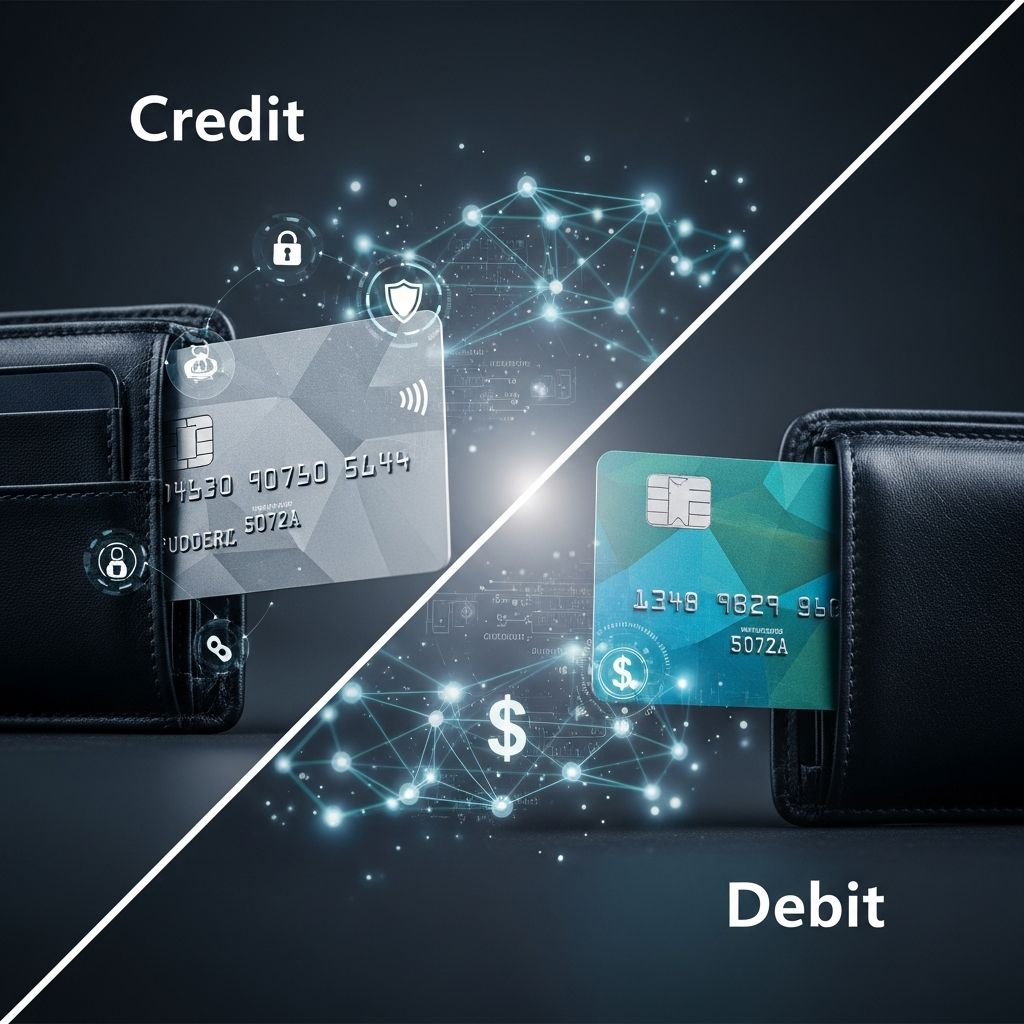
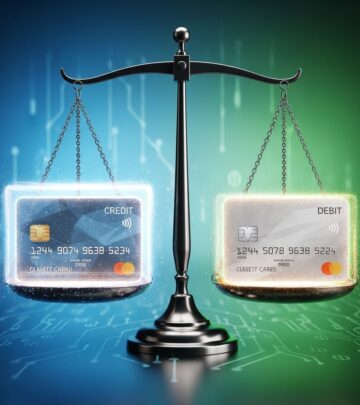
Credit cards generally offer stronger fraud protections than debit cards for online transactions, limiting your liability to $50 or less under federal law, while debit cards can expose you to higher losses depending on reporting timelines.
Understanding Liability Protections
When fraud strikes, the rules governing your financial responsibility differ sharply between credit and debit cards. Federal regulations establish clear boundaries to shield consumers, but the protections are not equal.
For credit cards, the Fair Credit Billing Act (FCBA) caps your liability at $50 for unauthorized charges if you report the issue promptly. Many issuers go further, providing zero-liability policies that eliminate even this small risk.
Debit cards fall under the Electronic Funds Transfer Act (EFTA), which ties liability to how quickly you act after discovering fraud:
- Report before unauthorized use: $0 liability.
- Within 2 days: Up to $50.
- 2-60 days: Up to $500.
- After 60 days: Unlimited liability, potentially all funds stolen.
This tiered structure means debit fraud can drain your bank account directly, whereas credit fraud involves borrowed funds that issuers must investigate before charging you.
Why Online Transactions Favor Credit Cards
Online shopping amplifies risks because thieves target card details without physical theft. Credit cards act as a buffer since the money isn’t yours yet—issuers absorb losses during disputes, often removing charges swiftly.
Debit cards link straight to your checking or savings, so fraudulent online buys withdraw real money immediately. Recovery can take weeks, leaving you short on funds meanwhile.
| Aspect | Credit Card | Debit Card |
|---|---|---|
| Max Liability (Prompt Report) | $50 or $0 (zero liability) | $50-$500 or unlimited |
| Funds at Risk | Issuer’s money | Your bank balance |
| Dispute Process | Fast, chargeback-friendly | Slower, bank-dependent |
| Online Fraud Recovery | Provisional credit common | May wait 10+ business days |
This table highlights why experts consistently recommend credit for e-commerce: the separation of funds provides peace of mind.
Federal Laws: The Legal Backbone
Two key U.S. laws underpin these differences. The FCBA empowers credit card users by requiring issuers to investigate billing errors without debiting your account first. You have 60 days from the statement date to dispute.
The EFTA offers debit protections but with stricter timelines. If only your card number is compromised (common online), the 60-day clock starts from your statement date, not discovery. Delays can cost hundreds.
State agencies reinforce this: Michigan’s consumer protection office notes credit’s edge in refunds and holds during probes.
Real-World Fraud Scenarios
Imagine a hacker skims your details during checkout. With credit, you spot the $1,000 charge, report it, and it’s gone—often with a temporary credit while investigated.
On debit, that $1,000 vanishes from your account. If reported in 3 days, you might cap at $50 loss, but banks can take time to refund, and overdraft fees pile up.
Statistics underscore the stakes: While exact figures vary, fraud reports show debit victims facing longer resolutions due to direct account access.
Enhancing Debit Card Security
Debit isn’t hopeless. Opt for banks with zero-liability guarantees, mimicking credit protections. Prepaid debit cards limit exposure to loaded amounts only.
Still, they lag in dispute speed and scope. Use them for low-risk buys to balance convenience and safety.
Best Practices for All Card Users
Regardless of card type, proactive steps slash risks:
- Enable transaction alerts via apps for instant notifications.
- Use virtual card numbers or one-time codes for online shops.
- Prefer sites with HTTPS and padlock icons; avoid suspicious links.
- Opt for contactless or chip payments over swipes.
- Freeze your card digitally if traveling or after big buys.
- Review statements weekly, not monthly.
These habits catch issues early, minimizing liability under any law.
Building Credit While Staying Safe
Credit cards double as tools for credit health. Responsible use boosts scores via payment history and utilization—key FICO factors. Pair safety with perks like rewards on secure online spends.
Common Myths Debunked
- Myth: Debit is safer because it’s your money. Reality: Direct access heightens loss risk.
- Myth: All cards have identical zero liability. Reality: Credit’s is standard; debit varies by bank.
- Myth: Online fraud is rare. Reality: It surges yearly; protections matter.
Frequently Asked Questions
Is a credit card always safer online?
Yes, due to superior liability caps and faster resolutions.
What if my debit bank offers zero liability?
It’s closer but still risks delays in refunds from your account.
How soon must I report fraud?
Immediately for best protection; 2 days max for minimal liability on debit.
Are prepaid cards safe alternatives?
They cap losses but lack full dispute rights.
Does using credit build debt?
Not if paid monthly; it builds credit securely.
Choosing the Right Strategy
For frequent online shoppers, prioritize credit. Budget-conscious users can layer debit with safeguards. Monitor credit reports free weekly via AnnualCreditReport.com to spot identity theft early.
Hybrid approach: Credit for high-value online, debit for in-person small spends avoiding fees.
References
- Are Credit Cards Safer Than Debit Cards? — Experian. 2023-10-15. https://www.experian.com/blogs/ask-experian/are-credit-cards-safer-than-debit-cards/
- Credit Card vs. Debit: Which is Safer Online? — NerdWallet. 2024-05-22. https://www.nerdwallet.com/credit-cards/learn/credit-card-vs-debit-card-safer-online-purchases
- Credit Card v Debit Card – Know the Difference — State of Michigan. 2023-11-08. https://www.michigan.gov/consumerprotection/protect-yourself/consumer-alerts/shopping/credit-card-v-debit-card-know-the-difference
- Credit vs. Debit Card: The Main Differences — TD Bank. 2024-02-14. https://www.td.com/us/en/personal-banking/when-to-use-credit-or-debit-card
- 5 Pros and Cons of Debit Cards vs. Credit Cards — Dexsta FCU. 2023-07-20. https://www.dexsta.com/pros-and-cons-of-debit-cards-vs-credit-cards/
- Credit Card vs Debit Card: Your Guide to Better Security — SCUCU. 2024-01-10. https://www.scucu.com/post/credit_card_vs_debit_card_your_guide_to_better_security.html
Similar Articles








Read full bio of Sneha Tete