Credit vs Debit Cards: Smart Usage Guide
Discover when to choose credit or debit cards for optimal financial control, security, and rewards in everyday spending.
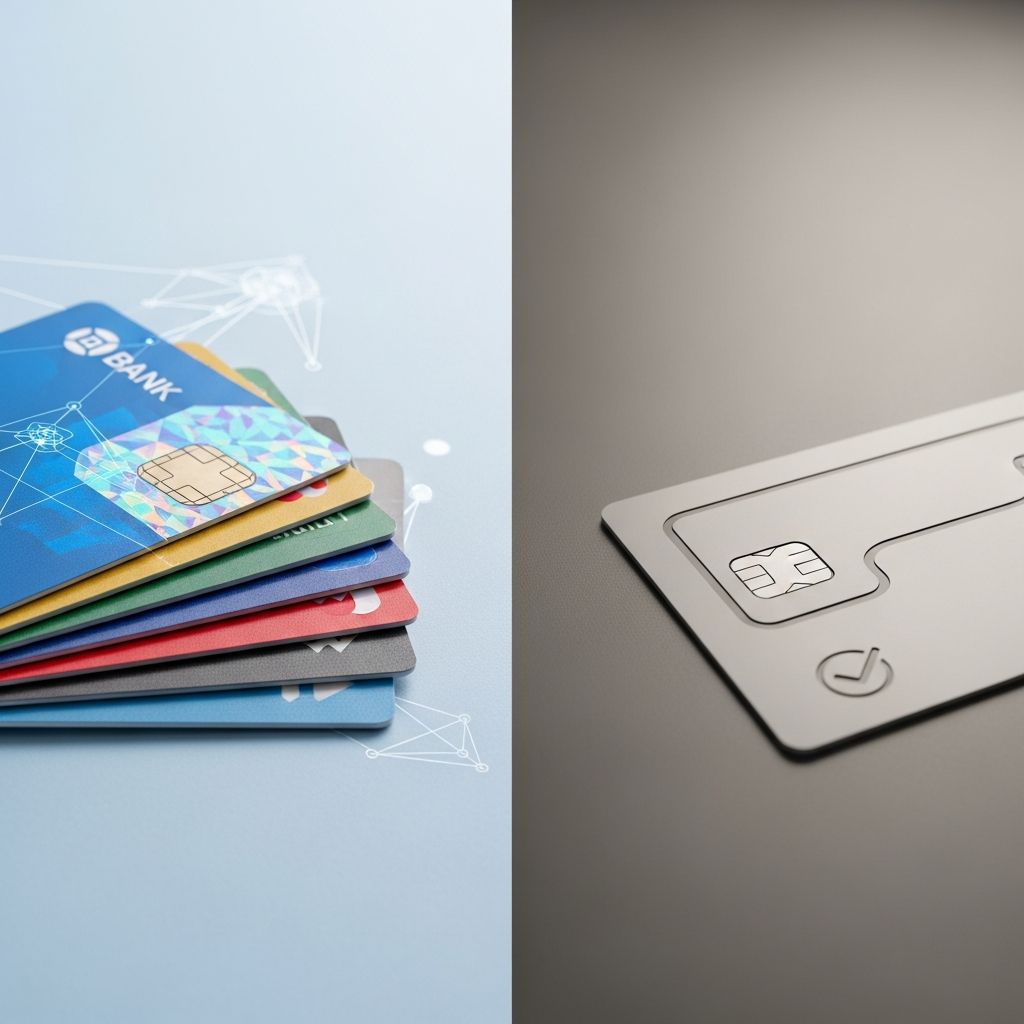
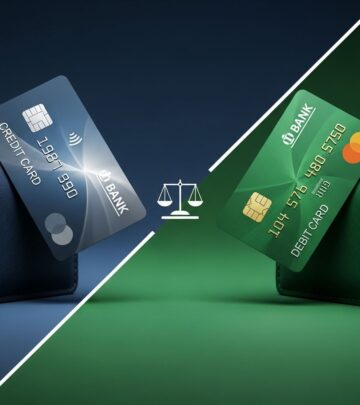
Choosing between a credit card and a debit card impacts your financial health, spending discipline, and access to perks. Credit cards let you borrow funds temporarily, while debit cards draw directly from your bank account, each suited to different needs like building credit or sticking to budgets.
Fundamental Differences Between Credit and Debit Cards
Credit cards function as short-term loans from issuers, allowing purchases up to a set limit with repayment later, often monthly. Debit cards, linked to checking accounts, deduct funds immediately, limiting spending to available balances.
This core distinction affects everything from daily transactions to long-term financial goals. Credit usage can influence credit scores positively if managed well, whereas debit transactions provide instant visibility into account status without borrowing.
| Aspect | Credit Card | Debit Card |
|---|---|---|
| Purpose | Borrow for purchases, repay later | Spend from bank balance |
| Spending Limit | Issuer-set credit line | Account balance |
| Credit Impact | Builds history if responsible | No impact |
| Funding | Issuer’s money initially | Your money immediately |
Advantages and Drawbacks of Credit Cards
Credit cards excel in flexibility and protections. They enable deferred payments, consolidating multiple expenses into one bill, and often include rewards such as cash back or travel miles.
- Builds Credit: On-time payments boost scores, aiding loans or rentals.
- Fraud Protection: Issuers absorb unauthorized charges under zero-liability policies.
- Perks: Extended warranties, purchase protection, and travel insurance add value.
However, pitfalls include high interest if balances carry over, tempting overspending, and potential credit damage from missed payments.
Advantages and Drawbacks of Debit Cards
Debit cards promote discipline by preventing spending beyond means, offering real-time budget tracking as funds deduct instantly.
- No Debt Risk: Spend only what exists in the account, avoiding interest.
- ATM Access: Withdraw cash fee-free at in-network machines.
- Easy Approval: No credit check required.
Drawbacks involve weaker fraud safeguards, where thieves access your funds directly, plus overdraft fees and no credit-building potential. Holds from vendors like gas stations can temporarily lock funds too.
Optimal Scenarios for Credit Card Usage
Opt for credit cards when security and rewards matter most. They shine for online shopping or travel due to robust dispute rights and perks like no foreign fees.
- Large Purchases: Split payments without draining savings, using grace periods interest-free.
- Emergencies: Access funds quickly, repay to dodge interest.
- Rewards Maximization: Everyday spending on bonus categories like groceries or gas.
- Building Credit: Responsible use establishes positive history.
In fraud cases, credit cards protect better since losses hit the issuer first, not your pocket.
Optimal Scenarios for Debit Card Usage
Use debit cards to enforce budgets and avoid debt. Ideal for those rebuilding finances or preferring cash-like control.
- Tight Budgets: Instant deductions curb impulse buys.
- Cash Needs: Seamless ATM withdrawals without advance fees.
- Recurring Bills: Auto-payments from checking ensure timeliness.
- Avoiding Interest: No borrowing means zero finance charges.
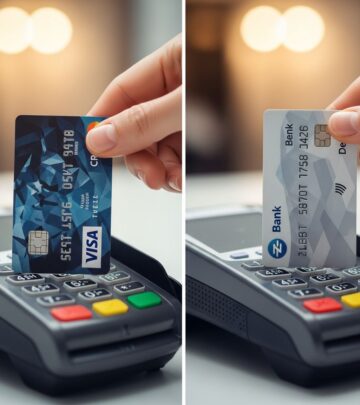
For in-person buys, signature transactions mimic credit for PIN-free use.
Security Considerations: Protecting Your Money
Credit cards provide superior safeguards. Federal laws and issuer policies limit liability to $50 or zero for unauthorized use, with quick resolutions. Debit fraud drains accounts faster, though PINs and chips help; recovery depends on bank zero-liability offers.
Monitor statements regularly. Enable alerts for both, and report issues promptly. Credit’s separation of funds from personal accounts buys recovery time.
Fees, Interest, and Cost Management
Credit cards charge interest on unpaid balances (often 15-25% APR), plus potential annual, late, or advance fees. Debit avoids interest but hits with overdraft ($35+ per incident) or out-of-network ATM charges.
Pay credit balances fully monthly to leverage grace periods. Opt out of debit overdraft to prevent fees.
| Fee Type | Credit Card | Debit Card |
|---|---|---|
| Interest | High on carried balances | None |
| Overdraft/Overlimit | Possible fees | Common, $30-40 |
| Cash Advance | Fees + immediate interest | ATM fees possible |
Building Financial Habits with Cards
Combine both: Use debit for budgeted essentials, credit for rewards and credit-building. Track via apps for real-time insights. Set spending limits and auto-pay to avoid pitfalls.
For young users or no-credit individuals, debit builds discipline; transition to secured credit for history.
Travel and Everyday Convenience Factors
Abroad, credit cards often waive foreign fees and include insurance; debit suits cash access but risks higher fraud exposure. Contactless payments work on both for speed.
Frequently Asked Questions
Do debit cards help build credit?
No, they do not impact credit scores since no debt is involved.
Which offers better fraud protection?
Credit cards generally provide stronger zero-liability coverage.
Can I use debit like credit?
Yes, signature transactions avoid PINs for in-person or online buys.
Are there rewards on debit cards?
Some offer cash back, but fewer than credit.
What if I overdraft my debit card?
Fees apply unless opted out; coverage may allow it at a cost.
Final Tips for Card Mastery
Align card choice with goals: credit for growth and perks, debit for control. Review terms annually, as benefits evolve. Responsible use across both fosters lasting financial wellness.
References
- When to Use a Credit Card vs. Debit Card — SumUp. 2023-10-15. https://www.sumup.com/en-us/business-guide/credit-card-vs-debit-card/
- Credit Card vs. Debit Card: How Are They Different? — Experian. 2025-01-20. https://www.experian.com/blogs/ask-experian/debit-card-vs-credit-card-how-are-they-different/
- Debit Cards vs Credit Cards Key Differences and Benefits — Dollar Bank. 2025-08-01. https://dollar.bank/be-dollar-wise/august-2025/debit-cards-vs-credit-cards-key-differences-and-benefits
- Debit Cards vs. Credit Cards: Key Differences To Know — PNC Insights. 2024-11-12. https://www.pnc.com/insights/personal-finance/spend/debit-cards-vs-credit-cards.html
- 5 Pros and Cons of Debit Cards vs. Credit Cards — Dexsta. 2024-05-05. https://www.dexsta.com/pros-and-cons-of-debit-cards-vs-credit-cards/
Similar Articles








Read full bio of Sneha Tete