Credit Utilization Recovery Timeline
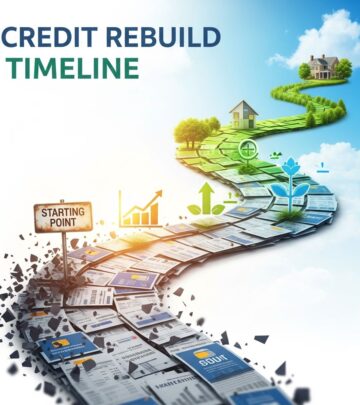
Learn how quickly your credit score bounces back after reducing high balances
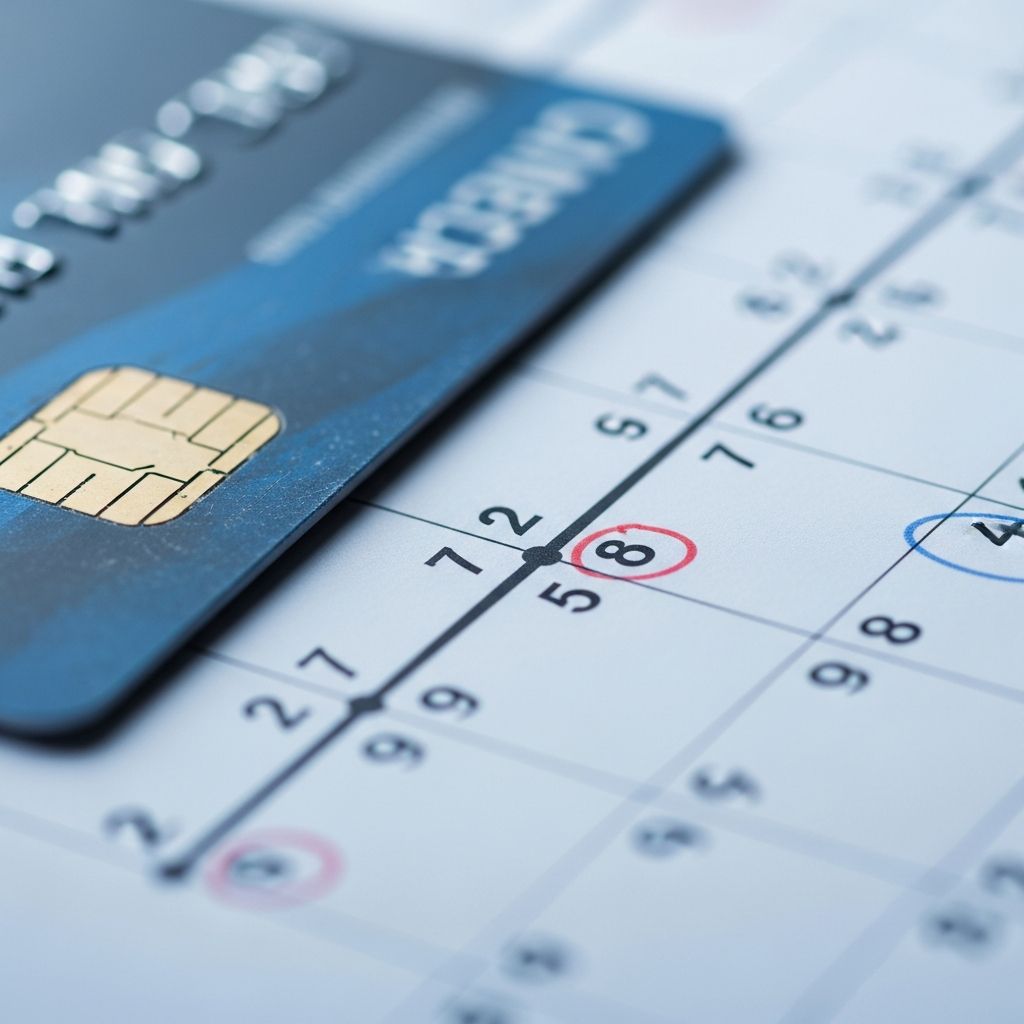
One of the most pressing questions people ask when working to improve their credit is how long they must wait to see results. If you’ve been carrying high balances on your credit cards, you’re likely wondering when your credit score will reflect your efforts to pay down debt. The good news is that credit utilization—the percentage of available credit you’re currently using—is one of the most responsive credit factors, meaning improvements can happen relatively quickly once you take action.
Understanding the Foundation: What Credit Utilization Really Means
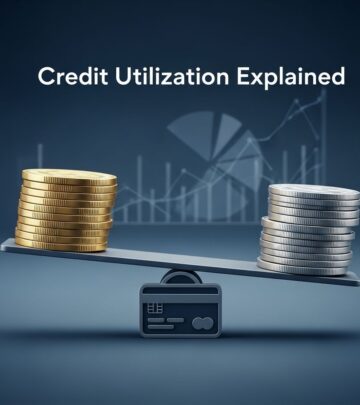
Before discussing recovery timelines, it’s essential to understand what credit utilization represents and why it matters so significantly to lenders and credit scoring models. Your credit utilization ratio measures the portion of your available revolving credit that you’ve actually borrowed. This includes credit card balances, home equity lines of credit, and other revolving accounts, but excludes fixed-term loans like mortgages or car loans.
The calculation is straightforward: divide your total outstanding balance across all revolving accounts by your total available credit limits, then multiply by 100 to get a percentage. For example, if your combined credit card limits total $15,000 and you currently carry $4,500 in balances, your credit utilization ratio is 30%.
Credit utilization accounts for approximately 30% of your FICO credit score and 20% of your VantageScore, making it the second-most influential factor after payment history. This substantial weighting means that changes to your utilization ratio can produce meaningful impacts on your overall credit score.
The Speed of Credit Score Response: Immediate Changes Possible
Unlike many aspects of your credit profile that take years to evolve, credit utilization offers something unique: the potential for rapid improvement. When credit card companies report your account information to the bureaus—typically around your statement closing date—your credit score can shift almost immediately to reflect your new utilization ratio.
This means that if you pay down a substantial balance before your card’s statement closes, the lower amount reported to credit bureaus could result in a score improvement within the same billing cycle. This responsiveness makes credit utilization one of the most controllable factors in your credit score equation.
However, it’s important to note that this rapid response works both ways. If you increase your utilization ratios, your score can similarly drop quickly. This volatility is precisely why understanding utilization management is so valuable for anyone seeking to build or maintain strong credit.
Timeline Factors: What Influences Your Recovery Speed
While credit utilization can improve your score rapidly, the actual timeline for noticeable improvements depends on several interconnected factors:
- Your Current Credit Score Range: If your score has dropped significantly due to high utilization, you may see larger percentage improvements as you reduce your ratios. Conversely, if you’re already in the good range, improvements may be more incremental.
- The Magnitude of Your Reduction: Dropping from 85% utilization to 80% produces less dramatic results than dropping from 85% to 20%. Substantial reductions generate more substantial score improvements.
- Your Overall Credit Profile: If you have other negative factors on your credit report—such as late payments or collections accounts—these may mask the positive impact of lower utilization.
- The Credit Scoring Model Being Used: Different lenders use different scoring models. Some use FICO 8, while others use FICO 10 T or VantageScore 4.0, each of which may weight utilization slightly differently.
- Reporting Cycles and Bureau Updates: Credit bureaus update information on varying schedules, so timing your payments strategically can optimize when improvements appear on your report.
The Benchmark That Matters Most: The 30% Threshold
Financial experts consistently recommend keeping your credit utilization below 30% to maintain a healthy credit score. This threshold represents a meaningful inflection point in credit scoring algorithms. Accounts operating below 30% utilization are generally viewed favorably by lenders, while those above this point begin triggering risk assessments.
When you reduce your utilization from, say, 75% to 28%, you’re crossing a critical psychological and algorithmic boundary. Your credit score typically experiences more substantial improvement from this transition than from dropping from 35% to 30%.
For those seeking optimal credit scores, some creditors recommend aiming even lower—under 10%—to signal maximum financial responsibility and creditworthiness. This ultra-low range demonstrates that you use credit as a tool without becoming dependent on it.
Practical Recovery Scenarios and Timeframes
Different situations produce different recovery trajectories. Here are common scenarios:
Scenario One: Moderate Reduction Over One Billing Cycle
If you currently carry 65% utilization and pay down enough to reach 32% before your next statement closing date, you could potentially see score improvements reflected within 30-45 days. The account information gets reported to bureaus, and scoring models recalculate your score. Many people observe 10-20 point improvements in this scenario, though this varies based on other factors in their credit file.
Scenario Two: Gradual Reduction Over Multiple Months
Perhaps you cannot pay down your balances quickly due to budget constraints. If you reduce utilization gradually—say, from 80% to 70% in month one, to 50% in month three, and to 25% by month six—you’ll see incremental improvements throughout this period. Each month’s statement brings new reporting opportunities and corresponding score adjustments.
Scenario Three: Strategic Payment Timing
Some people strategically time payments before statement dates to show lower balances when reported to bureaus. If your statement closes on the 15th and you typically pay on the 20th, your credit report shows the full balance. By paying before the 15th, you reduce the balance that gets reported. This strategy can accelerate improvements without changing your actual debt payoff timeline.
Beyond Immediate Improvements: Sustained Score Building
While utilization changes can produce quick score bumps, sustained credit score improvements require maintained low utilization over time. Scoring models increasingly consider trends, not just snapshots. The newer FICO 10 T and VantageScore 4.0 models examine your average utilization over months, rewarding consistent responsible behavior.
This means that if you pay down balances to show 15% utilization one month, then spend the next month back at 75%, you won’t achieve the full benefit of low utilization. Consistency matters. The most dramatic, lasting score improvements come from reducing utilization and then maintaining those lower levels.
Additionally, as you reduce utilization, you’re simultaneously improving other aspects of your financial profile. Lower balances mean lower interest charges, making it easier to pay bills on time, which further strengthens your payment history—the single most important credit scoring factor.
The Role of Multiple Accounts and Overall Utilization
Your credit score considers both your overall utilization rate (across all revolving accounts) and your per-account utilization rate (the highest utilization on any single account). Lenders pay particular attention to whether you have any individual accounts with extremely high utilization, as these signal potential financial distress.
This means an effective recovery strategy might prioritize paying down the account with the highest utilization first, even if it means paying minimum balances on other cards. By bringing your highest account below 30%—ideally below 10%—you often see more dramatic score improvements than distributing payments evenly across all accounts.
Complementary Strategies for Accelerated Recovery
While reducing utilization is powerful, combining it with other strategies amplifies recovery:
- Request Credit Limit Increases: A higher credit limit automatically lowers your utilization percentage without requiring debt payoff. However, avoid hard inquiries that might temporarily dip your score.
- Become an Authorized User: If someone with low utilization adds you to their account, their positive account data may be added to your credit report, lowering your overall utilization.
- Maintain Perfect Payment History: Continue paying all bills on time. Late payments severely damage credit scores and can offset utilization improvements.
- Avoid Opening New Accounts: New accounts increase your new credit inquiries and lower your average account age, both of which can negatively impact scores.
Common Misconceptions About Utilization Recovery
Several myths circulate about credit utilization that can mislead people working to recover their scores. One common misconception is that you must carry a balance to build credit. In reality, paying your balance in full monthly and maintaining low utilization is optimal for your score. Another myth is that utilization from closed accounts disappears immediately—closed accounts continue reporting for years, affecting your utilization ratio.
Some people believe that paying off accounts completely is always best, but occasionally, keeping accounts with small balances can benefit your credit mix. The key is ensuring these balances stay under 10% of the account limits.
Monitoring Your Progress Effectively
To track your recovery journey accurately, check your utilization through your card issuers’ online portals regularly. Many banks now provide updated utilization information between statement dates. Simultaneously, monitor your actual credit score through free services or paid credit monitoring tools.
Keep in mind that different credit bureaus (Equifax, Experian, and TransUnion) may have slightly different information, resulting in different utilization calculations and scores. If you’ve only addressed utilization on one account, it may only affect reports at certain bureaus initially.
Long-Term Expectations and Realistic Timelines
Most people with significantly high utilization can expect meaningful score improvements within 30-60 days of reduction, provided they maintain the lower utilization and don’t introduce new negative factors. More substantial score recovery—moving from “fair” credit to “good” or “good” to “excellent”—typically unfolds over several months as you consistently demonstrate responsible credit management.
However, if other negative factors exist in your credit history—such as recent late payments or collections—utilization improvements alone may produce less dramatic overall score changes. These situations require holistic credit repair strategies addressing multiple issues simultaneously.
The Bottom Line: Your Utilization Recovery Timeline
Your credit score can respond to utilization improvements relatively quickly, with improvements sometimes appearing within a single billing cycle. The exact timeline depends on your current situation, the magnitude of your reduction, and your overall credit profile. By strategically reducing your credit utilization—especially below that crucial 30% threshold—and maintaining these lower levels consistently, you can accelerate your journey toward better credit. Combined with on-time payments and responsible credit behavior, smart utilization management creates a powerful foundation for long-term creditworthiness and financial health.
References
- How Credit Card Utilization Impacts Your Credit Score — PVFCU. Accessed March 2026. https://www.pvfcu.org/how-credit-card-utilization-impacts-credit-score/
- How Does Credit Utilization Affect Your Credit Score? — Centier Bank. Accessed March 2026. https://www.centier.com/resources/articles/article-details/how-does-credit-utilization-affect-your-credit-score
- What Is a Credit Utilization Rate? — Experian. Accessed March 2026. https://www.experian.com/blogs/ask-experian/credit-education/score-basics/credit-utilization-rate/
- Everything You Need To Know About Credit Utilization Ratio — Bankrate. Accessed March 2026. https://www.bankrate.com/credit-cards/advice/credit-utilization-ratio/
- Understanding Credit Utilization: How it impacts your score — Laramie Federal Credit Union. Accessed March 2026. https://www.lfcu.org/news/managing-money-credit/understanding-credit-utilization-how-it-impacts-your-score/
- How Much Credit Utilization is Considered Good? — Chase Bank. Accessed March 2026. https://www.chase.com/personal/credit-cards/education/basics/how-much-credit-utilization-is-considered-good
Similar Articles








Read full bio of Sneha Tete