Credit Utilization Calculator: Improve Your Credit Score
Calculate your credit utilization ratio and discover actionable steps to improve your credit score today.

Understanding Your Credit Utilization Ratio
Your credit utilization ratio is a critical factor in determining your creditworthiness. It represents the amount you owe across your credit cards and other revolving credit lines compared to your total available credit, expressed as a percentage. This metric plays a significant role in your overall credit score, accounting for approximately 30 percent of your FICO score—second only to payment history in importance.
Credit utilization measures how much of your available credit you’re actively using. If you have multiple credit cards, your overall utilization ratio combines all your balances and credit limits to give lenders a complete picture of your credit behavior. Understanding this metric is essential for anyone looking to build or maintain a strong credit profile.
How to Calculate Your Credit Utilization Ratio
Calculating your credit utilization ratio is straightforward and requires only basic math. The process involves gathering information about your credit accounts, performing simple calculations, and interpreting the results to understand your current credit position.
Step-by-Step Calculation Process
Step 1: Gather Your Account Information
Begin by collecting the current balance and credit limit for each of your revolving credit accounts. You can find this information by:
- Logging into your online credit card accounts
- Reviewing your credit card statements
- Checking your credit report from the three major credit bureaus
- Contacting your credit card issuers directly
Step 2: Calculate Individual Card Utilization
For each credit card, divide your current balance by the credit limit and multiply by 100 to get a percentage. For example, if you have a $500 balance on a credit card with a $5,000 credit limit, your individual card utilization would be 10 percent ($500 ÷ $5,000 × 100 = 10%).
Step 3: Calculate Overall Utilization
To find your total credit utilization across all cards, add up all your outstanding balances on revolving accounts, add up all your credit limits, then divide total balances by total credit limits and multiply by 100. This gives you your aggregate utilization ratio, which is what most credit scoring models primarily consider.
Practical Calculation Example
Let’s examine a practical example with multiple credit cards:
| Card | Balance | Credit Limit | Individual Utilization |
|---|---|---|---|
| Card A | $250 | $5,000 | 5% |
| Card B | $1,600 | $6,000 | 26.67% |
| Card C | $150 | $4,000 | 3.75% |
| Total | $2,000 | $15,000 | 13.33% |
In this scenario, your overall credit utilization ratio would be 13.33 percent ($2,000 ÷ $15,000 × 100), which is considered excellent. However, Card B has a relatively high individual utilization of 26.67 percent, which credit scoring models may flag.
Individual Account vs. Overall Credit Utilization
Credit scoring models consider both your overall utilization ratio and your individual card utilization rates. This dual approach provides a more comprehensive view of your credit behavior.
Overall Utilization Ratio
Your overall utilization ratio is the aggregate of all your revolving credit balances divided by your total available credit. This is typically the primary factor that credit bureaus consider when calculating your credit score. A lower overall ratio generally indicates responsible credit management and can positively impact your creditworthiness.
Individual Account Utilization
Credit scoring models also examine the highest utilization rate on any single revolving account. Having one credit card maxed out at 100 percent utilization can negatively impact your credit score, even if your overall utilization across all cards remains relatively low at 20 percent. This is because it suggests you may be financially strained or unable to manage credit responsibly on that particular account.
This dual consideration means that maintaining balanced utilization across all your cards is more beneficial than concentrating your spending on one or two cards while leaving others untouched.
What Is a Good Credit Utilization Ratio?
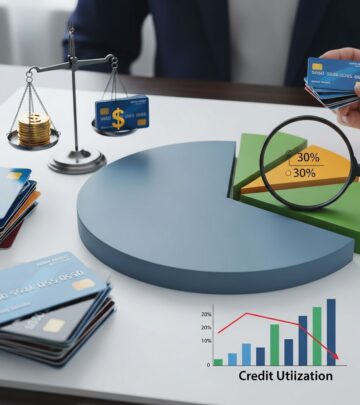
Financial experts widely recommend maintaining a credit utilization ratio below 30 percent of your available credit limits. However, those aiming for excellent credit typically keep their utilization in the single digits, ideally below 10 percent.
Utilization Ratio Benchmarks
Understanding where your utilization ratio stands helps you gauge your credit health:
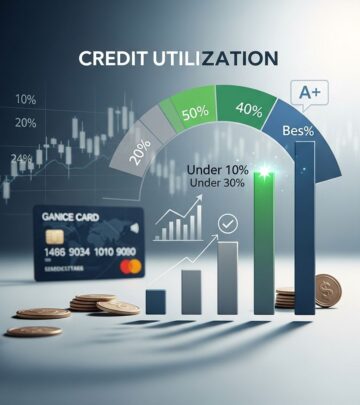
- Below 10 percent: Excellent—indicates exceptional credit management and may qualify you for premium credit products and rates
- 10-30 percent: Good—demonstrates responsible credit usage and maintains a healthy credit score
- 30-50 percent: Fair—acceptable but could be improved; may slightly impact your credit score
- 50-100 percent: Poor—indicates financial strain and can significantly damage your credit score
- 100 percent or higher: Critical—maximum utilization or exceeding limits severely harms creditworthiness
The reason experts recommend keeping utilization below 30 percent is that credit scores reward those who use credit responsibly without relying heavily on available credit. It suggests you have financial discipline and don’t need to borrow extensively.
How Credit Utilization Affects Your Credit Score
Credit utilization is a major component of your credit score, and understanding this relationship helps explain why maintaining low utilization matters. The impact on your credit score is significant and immediate.
When credit card companies report your balance to the three major credit bureaus—typically monthly—that reported balance is used to calculate your credit utilization ratio. If your utilization increases, your credit score may drop within that same reporting cycle. Conversely, paying down balances and reducing utilization can improve your score relatively quickly.
It’s important to note that you do not need to carry a balance to build credit. Many people mistakenly believe they must maintain a credit card balance to improve their credit score, but this is false. You can build excellent credit by using your cards responsibly, keeping utilization low, and paying balances in full each month.
Strategies to Lower Your Credit Utilization Ratio
If your current credit utilization ratio is higher than desired, several strategies can help you reduce it and improve your credit score.
Pay Off Revolving Debt
The most direct approach is to pay down your credit card balances. By reducing the amount you owe, you decrease your overall utilization ratio. Consider prioritizing cards with the highest individual utilization rates first, as this addresses the dual-consideration aspect of credit scoring.
Request a Higher Credit Limit
Another effective strategy is to contact your credit card issuers and request an increase to your credit limits. With a higher credit limit, your existing balance represents a smaller percentage of available credit, automatically lowering your utilization ratio. Many issuers conduct a soft inquiry for limit increases, which doesn’t impact your credit score.
Perform a Balance Transfer
Balance transfers involve moving your credit card debt to another card, often one with a promotional low or zero percent interest rate. This can be advantageous if you transfer to a card with a higher credit limit, which reduces your utilization on the receiving card. However, be aware that the card from which you transferred maintains a zero balance, potentially lowering your overall utilization.
Apply for a New Credit Card
Opening a new credit card increases your total available credit without immediately increasing your debt, which lowers your utilization ratio. However, be cautious with this approach as it involves a hard inquiry that temporarily impacts your credit score. Additionally, applying for multiple cards in a short period may signal financial distress to lenders.
Make Multiple Payments Throughout the Month
Rather than waiting until your statement closing date, make payments to your credit cards multiple times during your billing cycle. This keeps your reported balance lower when your card issuer reports to the credit bureaus, which can positively impact your utilization ratio even if you eventually pay the full balance.
Using a Credit Utilization Calculator
While the manual calculation process is relatively simple, a credit utilization calculator streamlines the process and eliminates mathematical errors. A credit utilization calculator allows you to input your balances and credit limits for multiple cards and instantly receive your overall and individual utilization percentages.
The advantages of using a calculator include convenience, accuracy, and the ability to experiment with different scenarios. You can explore what-if scenarios, such as determining how much you’d need to pay down to reach a 20 percent utilization ratio, without performing manual calculations repeatedly.
Many financial websites and credit card issuers offer free credit utilization calculators as tools to help consumers understand their credit behavior and make informed financial decisions.
The Importance of Timing in Credit Utilization
One often-overlooked aspect of credit utilization is the timing of when your balance is reported to credit bureaus. Your credit card issuer typically reports your balance once per month, usually close to your statement closing date. This means the balance reported is your statement balance, not necessarily your current balance.
If you pay off your credit card in full immediately after your statement closes, your reported utilization may not reflect this payment until the next reporting cycle. Understanding this timing can help you strategically manage your reported utilization by planning your payment schedule around your closing dates.
Frequently Asked Questions
Q: Can I have zero percent credit utilization without harming my credit score?
A: While having zero utilization won’t drastically damage your score in a single month, using your credit in measured, smart ways maintains your score at its best. Lenders prefer to see that you can responsibly manage credit, so some utilization is better than none, as long as it remains below 30 percent.
Q: How quickly does lowering my credit utilization improve my credit score?
A: Credit scores can update relatively quickly after your card issuer reports your new balance to the credit bureaus, typically within one to two billing cycles. However, the exact timeline depends on your credit scoring model and other factors in your credit profile.
Q: Does paying off my credit card balance in full each month help my credit utilization?
A: Yes, paying off your balance in full helps keep your reported utilization low. However, what matters for your credit score is the balance reported to the bureaus at your statement closing date, which may reflect charges made before you pay off the card.
Q: Should I close unused credit cards to improve my utilization ratio?
A: Closing unused credit cards can actually harm your utilization ratio because it reduces your total available credit, potentially increasing your overall utilization percentage. It’s generally better to keep unused cards open to maintain higher available credit.
Q: How much does credit utilization impact my credit score compared to other factors?
A: Credit utilization accounts for approximately 30 percent of your FICO score, making it the second most important factor after payment history. This significant weight emphasizes the importance of managing your utilization effectively.
Q: Can I improve my credit score if I have a high utilization ratio?
A: Yes, you can improve your credit score by reducing your utilization ratio through paying down debt, requesting credit limit increases, or transferring balances. Improvements may be visible within one to two billing cycles after your issuer reports the lower balance.
References
- What Is a Credit Utilization Rate? — Experian. 2025. https://www.experian.com/blogs/ask-experian/credit-education/score-basics/credit-utilization-rate/
- Everything You Need To Know About Credit Utilization Ratio — Bankrate. 2025. https://www.bankrate.com/credit-cards/advice/credit-utilization-ratio/
- What Is A Good Credit Utilization Ratio? — Bankrate. 2025. https://www.bankrate.com/credit-cards/advice/good-credit-utilization-ratio/
- What Is a Credit Utilization Ratio and Why Does It Matter? — Jenius Bank. 2025. https://www.jeniusbank.com/blog/articles/credit-utilization-ratio
- What Is Debt to Credit Ratio and How to Calculate? — SmartAsset. 2025. https://smartasset.com/credit-cards/debt-to-credit-ratio
- How To Use A Credit Card Wisely In 8 Steps — Bankrate. 2025. https://www.bankrate.com/credit-cards/advice/credit-card-tip/
Similar Articles








Read full bio of medha deb