Should You Use a Credit Union for a Business Loan?
Compare the pros and cons of getting a small business loan from a credit union versus banks and online lenders.

For many small business owners, choosing where to borrow can be just as important as deciding whether to borrow at all. Credit unions, with their member-owned structure and community focus, are increasingly seen as an attractive alternative to traditional banks and online lenders for business loans. This guide walks through how credit union business loans work, their advantages and drawbacks, and how to decide if they are the right fit for your company.
What Is a Credit Union Business Loan?
A credit union business loan is a commercial loan issued by a not-for-profit, member-owned financial institution to help fund business needs such as working capital, equipment purchases, or real estate. Like banks, many credit unions offer a range of products including term loans, lines of credit, commercial auto loans, and Small Business Administration (SBA)–backed loans.
Because credit unions are organized as cooperatives and do not distribute profits to outside shareholders, they generally use earnings to benefit members in the form of lower rates and reduced fees on loans and accounts.
Common Types of Credit Union Business Loans
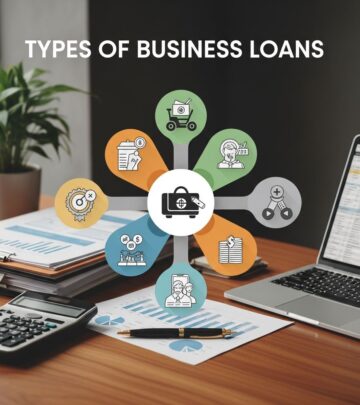
- Term loans: A lump sum repaid over a fixed period with interest; often used for equipment, renovations, or expansion.
- Lines of credit: Revolving access to funds you can draw as needed, typically for cash-flow gaps or short-term expenses.
- Commercial auto loans: Financing for vehicles used in the business such as trucks, vans, or service cars.
- Commercial real estate loans: Loans to purchase, refinance, or improve offices, warehouses, or other business property.
- SBA loans originated through credit unions: Government-guaranteed loans with competitive terms tailored to small businesses.
How Credit Union Business Loans Work
In most ways, credit union business loans function like bank loans: you submit an application, the lender evaluates your business and personal finances, and if approved, you receive funds under agreed terms and rates. However, credit unions layer membership rules and a cooperative philosophy into this process, which can influence eligibility, pricing, and service.
Membership Requirements
To apply for a business loan, you generally must first qualify for and open a membership account at the credit union. Membership is often based on factors such as:
- Where you live, work, worship, or attend school (field of membership)
- Professional or trade association membership
- Employment with a qualifying organization
- Family relationship with an existing member
Once you are a member, your business can typically apply for lending and other services under that umbrella.
Typical Eligibility Criteria
Like banks, credit unions assess a mix of personal and business factors before extending credit. Key points they often review include:
- Personal and business credit scores
- Annual revenue and profit margins
- Time in business (often 1–2 years or more for term loans)
- Cash-flow statements and bank account activity
- Collateral for secured loans (equipment, vehicles, real estate, or other assets)
- Business plan and projections, especially for younger businesses
Credit unions often apply stricter underwriting standards than many online lenders, focusing on the borrower’s overall financial strength and ability to repay.
How Rates and Fees Compare
Because credit unions do not aim to maximize profit, they frequently offer lower interest rates and fees than for-profit banks and non-bank lenders on comparable products. By contrast, online lenders often trade higher interest rates for faster approvals and more flexible requirements, particularly for newer or riskier businesses.
| Lender Type | Typical Rates & Fees | Qualification Difficulty | Speed of Funding |
|---|---|---|---|
| Credit Union | Usually lower rates and fees than banks and online lenders for qualified members | Moderate to strict; strong credit and financials often required | Moderate; slower than many online lenders |
| Traditional Bank | Competitive rates; may include more and higher fees than credit unions | Strict; often favor established, lower-risk borrowers | Slow; underwriting can take weeks |
| Online Lender | Often higher rates and fees to compensate for greater risk | More flexible; will work with weaker credit or newer businesses | Fast; sometimes same-day to a few days |
Pros of Getting a Business Loan From a Credit Union
Choosing a credit union for your business financing can offer several meaningful advantages compared with larger banks or purely digital lenders.
1. Lower Interest Rates and Fees
Because credit unions are nonprofit financial cooperatives, they often return surplus earnings to members in the form of reduced loan rates and lower account fees. This can translate to noticeable savings over the life of a business loan, particularly on larger or longer-term borrowing.
- Lower interest costs improve overall project or expansion ROI.
- Reduced transaction and maintenance fees free up cash for operations.
- Some credit unions offer rate discounts or fee waivers for loyal members.
2. Personalized, Relationship-Based Service
Credit unions tend to be smaller and more local than big banks, which often results in more personalized attention for business members.
- Lenders may take time to understand your business model and local market.
- Decisions may incorporate qualitative factors like character and community impact, not just algorithms.
- You often work with the same representatives over time, building a relationship that can support future financing needs.
3. Support for Underserved and Community-Based Businesses
Many credit unions are chartered specifically to serve certain communities, occupations, or groups, and a significant share hold Community Development Financial Institution (CDFI) status, meaning they focus on underserved borrowers. For small firms in low-income or historically underbanked areas, this mission can translate into greater willingness to work through challenges compared with some mainstream lenders.
4. Holistic Business Banking Options
In addition to loans, many credit unions offer a suite of small business banking services:
- Business checking and savings accounts
- Merchant services and payment processing
- Business credit cards
- Lines of credit and SBA loan programs
Bundling multiple services with one institution can streamline your finances and deepen your relationship, potentially improving loan terms or access later.
Cons of Getting a Business Loan From a Credit Union
Despite the clear benefits, credit union financing is not ideal for every business or every scenario. Potential drawbacks include membership hurdles, stricter criteria, and practical limitations.
1. Membership Is Required
You must usually become a member before you can apply for a loan, which may involve eligibility checks and opening a deposit account. While many credit unions have broadened their membership rules, this extra step can be inconvenient if you need funds quickly or prefer not to move your primary banking relationship.
2. Stricter Underwriting Standards
Credit unions frequently employ conservative underwriting and may require:
- Good to excellent personal credit scores
- Strong and stable business revenues over at least 1–2 years
- Detailed financial records and tax returns
- Collateral for larger loans
Compared with online lenders, this can make it harder for startups, businesses with limited documentation, or owners with weaker credit histories to qualify.
3. Limited Product Variety and Loan Size
Because credit unions are smaller and have less capital to deploy than the largest banks, their menu of loan products and maximum loan sizes may be more limited.
- Fewer specialized financing options than large commercial banks (e.g., niche industry products).
- Potentially lower lending caps for fast-growing or capital-intensive companies.
- Less national branch and ATM coverage, especially for multi-state operations.
4. Slower Approval and Funding vs. Online Lenders
Like banks, many credit unions still rely on traditional underwriting and manual review, which can result in longer processing times than tech-focused online lenders. If your top priority is speed—for example, covering an emergency expense this week—an online lender may be faster, albeit more expensive.
Credit Union vs. Bank vs. Online Lender: Which Is Best?
No single lender type is best for all businesses or all borrowing needs. The right choice depends on your financial profile, timeline, and long-term goals.
When a Credit Union May Be the Best Fit
- You qualify easily for membership and are open to moving some of your banking relationship.
- Your business is at least 1–2 years old with stable or growing revenues.
- You have solid personal and business credit.
- You value lower rates and ongoing relationship-based support more than speed.
- Your borrowing needs fall within the typical lending limits of local or regional institutions.
When a Traditional Bank Might Be Better
- You need very large loan amounts or highly specialized credit products.
- Your business benefits from a nationwide branch footprint and advanced treasury services.
- You have the time and documentation to meet stringent bank requirements and wait through a longer approval process.
When an Online Lender Could Make Sense
- You need funding quickly, possibly within days, and are willing to pay higher rates for speed.
- Your business is new, your credit is challenged, or you lack complete financial documentation.
- You are seeking short-term bridge financing while working to qualify for cheaper options later.
How to Decide if a Credit Union Business Loan Is Right for You
To determine whether to borrow from a credit union, it helps to evaluate both your readiness to take on debt and the fit of the lender with your goals.
Step 1: Clarify Why You Need the Loan
Start by defining a specific and constructive use for the funds such as:
- Purchasing revenue-generating equipment
- Funding a well-researched expansion or new location
- Covering seasonal working capital needs
- Refinancing more expensive short-term debt
Borrowing primarily to cover chronic losses or structural problems can worsen your situation and is generally a red flag; in such cases, it may be better to cut costs, change strategy, or seek equity investment before taking on more debt.
Step 2: Review Your Financial Position
Gather and analyze the key documents that lenders—and you—will use to evaluate affordability:
- Recent business and personal tax returns
- Year-to-date financial statements (profit and loss, balance sheet, cash flow)
- Business bank statements
- Existing debt schedules and obligations
- Personal and business credit reports
Use these to estimate how much additional debt your cash flow can realistically support while leaving room for slow months and unexpected expenses.
Step 3: Compare Credit Unions With Other Lenders
Before deciding, compare offers (or at least likely terms) across multiple lenders:
- Interest rate (APR) and any rate discounts for members
- Origination, documentation, and maintenance fees
- Repayment term length and payment frequency
- Collateral and personal guarantee requirements
- Funding timeline and underwriting process
Run scenarios to see the total cost of each option over the life of the loan, not just the monthly payment.
Step 4: Consider the Non-Financial Fit
Finally, factor in qualitative elements that affect your long-term relationship with the lender:
- Reputation and member satisfaction of the credit union
- Availability of local branches and customer support channels
- Digital tools (online banking, mobile app, e-signature, document upload)
- Potential to bundle accounts, merchant services, and future loans
Many small business owners value the combination of community focus, lower costs, and personalized service that credit unions provide, especially when they plan to borrow more than once over the life of their business.
Frequently Asked Questions (FAQs)
Q: Are credit union business loans easier to get than bank loans?
In terms of underwriting standards, credit unions are often similar to or slightly more conservative than banks, focusing on strong credit scores, established revenues, and adequate collateral. They may, however, be more willing to consider your relationship history and community ties than a large national bank.
Q: Can startups qualify for credit union business loans?
Startups can sometimes qualify, particularly for smaller loans or SBA-backed financing, but many credit unions prefer at least 1–2 years in business and verifiable revenue. Early-stage companies may find it easier to start with personal credit products, microloans, or online lenders before moving to a credit union once they are more established.
Q: Do credit unions offer SBA loans to small businesses?
Yes. Many credit unions participate in SBA lending programs, which provide government-backed guarantees that allow lenders to extend credit with competitive rates and longer terms to qualifying small businesses. Availability and program details vary by institution, so you should ask your credit union which SBA options they support.
Q: Will I need collateral for a credit union business loan?
For larger loans, especially term loans or commercial real estate financing, credit unions commonly require collateral such as equipment, vehicles, property, or other business assets, and may also ask for a personal guarantee. Smaller lines of credit or credit cards may be available on an unsecured basis depending on credit strength.
Q: How do I find a credit union that offers business loans?
You can start by checking credit unions you already qualify to join through your employer, profession, or community, then review their websites for business services and lending information. Industry associations and small business support organizations may also maintain lists of credit unions with active small business programs in your region.
References
- Credit Union Business Loans: Pros, Cons and How to Apply — NerdWallet. 2024-06-14. https://www.nerdwallet.com/business/loans/learn/credit-union-business-loans
- Credit union business loans: Overview & alternatives — Swoop Funding. 2024-03-05. https://swoopfunding.com/us/business-loans/credit-union-business-loans/
- The Differences in SMB Loans From Credit Unions & Banks — QuickBridge. 2023-08-10. https://www.quickbridge.com/blog/loan-differences-between-credit-unions-banks/
- Pros and Cons of Credit Union Small Business Financing — Addition Financial. 2023-05-02. https://resources.additionfi.com/small-business-financing
- Personal vs. Business Loans: Which Is Right for You? — First Capital Federal Credit Union. 2024-01-09. https://www.firstcapitalfcu.com/education/financial-education/blog-detail.html?title=personal-vs-business-loans-which-is-right-for-you
- Pros And Cons Of A Business Bank Loan — Bankrate. 2023-11-30. https://www.bankrate.com/loans/small-business/business-loan-pros-cons/
- The Advantages of Using Credit Unions for Business Accounts — Clark County Credit Union. 2023-04-19. https://www.ccculv.org/the-advantages-of-using-credit-unions-for-business-accounts/
- Bank Loans for Small Business Financing: Pros & Cons — Nav. 2024-02-27. https://www.nav.com/business-financing-options/bank-loans/
Similar Articles








Read full bio of Sneha Tete