Credit Scores Without Credit Cards
Discover how to build and maintain a strong credit score using loans, rentals, and other alternatives—no credit card required.

Yes, you can develop and maintain a credit score without relying on credit cards by utilizing other forms of credit that report to the major bureaus like Equifax, Experian, and TransUnion. These alternatives include installment loans, rent reporting services, and utility payments, which contribute to key scoring factors such as payment history and credit mix.
Understanding the Foundations of Credit Scoring
Credit scores provide lenders with a snapshot of your financial reliability, typically ranging from 300 to 850, where higher numbers signal lower risk. Models like FICO and VantageScore analyze data from your credit report, focusing on categories that do not exclusively depend on revolving credit from cards.
The primary components include payment history, which weighs most heavily at around 35% in FICO models, reflecting your track record of on-time payments across various accounts. Amounts owed or credit utilization follows at about 30%, evaluating debt levels relative to available credit. Length of credit history (15%), new credit inquiries (10%), and credit mix (10%) round out the factors, allowing diverse account types to influence your score positively.
Alternative Credit Accounts That Build Your Score
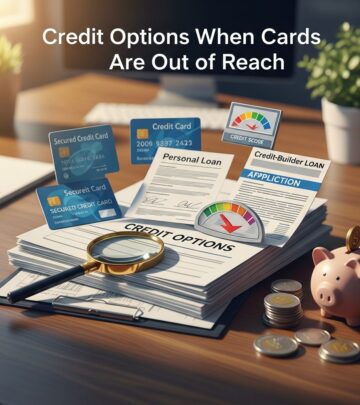
Several non-card options can establish a credit file and boost your score when managed responsibly. Installment loans, such as auto loans, personal loans, or student loans, create fixed payment obligations that demonstrate repayment ability. These accounts diversify your credit mix, a factor that models reward for showing you can handle different credit types.
- Personal Loans: Unsecured loans from banks or credit unions report monthly payments, building history without collateral.
- Auto or Student Loans: Secured installment credit with predictable terms helps lengthen your credit history over time.
- Buy-Now-Pay-Later Services: Some, like Affirm or Klarna, now report to bureaus, acting as mini-installment plans for purchases.
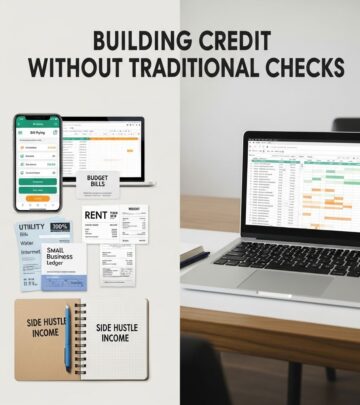
Rent and utility payments offer passive ways to contribute. Services like Experian Boost or RentTrack allow landlords to report on-time rent, adding positive payment history. While traditional utilities rarely report proactively, delinquencies can harm scores if sent to collections, so consistent payments via reporting programs matter.
Key Scoring Factors Independent of Cards
| Factor | FICO Weight | VantageScore Weight | Non-Card Impact |
|---|---|---|---|
| Payment History | 35% | 41% | Loans, rent, utilities build this core element. |
| Amounts Owed | 30% | 20% (Balances) | Installment balances vs. loan amounts assessed. |
| Length of History | 15% | 20% (Depth) | Grows with any long-term account. |
| Credit Mix | 10% | Included in Depth | Installment loans provide variety. |
| New Credit | 10% | 11% | Avoid excessive applications. |
This table illustrates how non-revolving accounts align with scoring models. For instance, FICO emphasizes payment consistency across all accounts, not just cards.
Strategies to Establish Credit from Scratch
For those with thin or no credit files, become “credit visible” by opening reportable accounts. Authorized user status on a family member’s well-managed installment loan can import positive history, though it carries risks if the primary user falters. Secured loans from credit unions mimic unsecured credit while requiring a deposit.
Secured personal loans or credit-builder loans deposit payments into a savings account until completion, reporting positively throughout. These programs, offered by community banks and nonprofits, ideal for newcomers, sidestep high-interest revolving debt pitfalls.
Pros and Cons of Card-Free Credit Building
Avoiding cards eliminates overspending temptations and high interest, promoting disciplined habits. However, lacking revolving credit might limit mix diversity, potentially capping scores compared to well-managed card users. Still, strong installment history often suffices for mortgages or auto financing.
- Advantages: Lower debt risk, focuses on necessities like housing or education loans.
- Drawbacks: Slower mix development; some lenders prefer revolving experience.
Monitoring and Improving Your Card-Free Score
Regularly check reports from AnnualCreditReport.com for accuracy, as not all lenders report to every bureau, causing score variances. Dispute errors promptly. To enhance scores, prioritize on-time payments, keep installment balances low, and age accounts patiently.
Tools like Experian Boost incorporate utility and telecom payments instantly, potentially raising scores by 13 points on average for users. Diversify gradually with one or two loans to avoid new credit dings.
Frequently Asked Questions
Can rent payments create a credit score?
Yes, through services that report rent to bureaus, contributing to payment history without traditional credit.
Do student loans affect scores without cards?
Absolutely; they build payment history, length, and mix positively if paid on time.
How long to build a good score sans cards?
Typically 6-12 months of positive activity for an initial score, improving over years.
Is a thin file the same as no score?
No; thin files have minimal data, while no activity means no score until reporting begins.
Do payday loans help credit?
Rarely, as they often don’t report positive activity and harm via collections.
Long-Term Benefits of Diverse Credit Foundations
Maintaining a card-free profile fosters financial discipline, often leading to better rates on big-ticket loans. Over time, a robust payment history outweighs minor mix gaps, proving reliability to lenders. Pair with budgeting to maximize gains.
References
- How is your credit score calculated-and what does it mean? — Fidelity. 2023. https://www.fidelity.com/learning-center/smart-money/how-is-credit-score-calculated
- How are FICO Scores Calculated? — myFICO. 2023. https://www.myfico.com/credit-education/whats-in-your-credit-score
- Understand, get, and improve your credit score — USAGov. 2024-03-15. https://www.usa.gov/credit-score
- How Are Credit Scores Calculated? — Equifax. 2023. https://www.equifax.com/personal/education/credit/score/articles/-/learn/how-is-credit-score-calculated/
- What is a Credit Score and How is it Calculated? — ESL Federal Credit Union. 2023. https://www.esl.org/resources-tools/educational-resources/what-is-a-credit-score
- Credit Score Basics: Everything You Need to Know — Experian. 2024. https://www.experian.com/blogs/ask-experian/credit-education/score-basics/understanding-credit-scores/
- What is a credit score? — Consumer Financial Protection Bureau. 2024-01-10. https://www.consumerfinance.gov/ask-cfpb/what-is-a-credit-score-en-315/
Similar Articles








Read full bio of medha deb