Understanding Credit Scores and Financial Success
Discover how credit scores shape your financial opportunities and long-term wealth.

Your credit score is one of the most important three-digit numbers in your financial life. It influences whether you can borrow money, how much interest you’ll pay, and even your eligibility for certain housing and employment opportunities. Despite its significance, many people lack a clear understanding of what their credit score means or how it impacts their financial future. This comprehensive guide explores the fundamentals of credit scoring, explains what constitutes a strong score, and demonstrates the tangible ways credit scores shape your economic opportunities.
The Foundations of Credit Scoring Systems
A credit score is a numerical representation of your creditworthiness, typically ranging from 300 to 850. This three-digit number tells lenders, landlords, and other financial institutions how responsibly you manage borrowed money and fulfill financial obligations. The higher your score, the more attractive you appear as a borrower.
Two primary scoring models dominate the credit industry: FICO and VantageScore. Both systems analyze similar factors but weight them differently. FICO scores, developed by the Fair Isaac Corporation, are used by approximately 90% of lenders making credit decisions. Understanding how these systems work helps you appreciate why certain financial behaviors matter more than others.
The Five Components of Credit Scoring
Credit scores don’t emerge randomly. They’re calculated using five specific categories of financial behavior, each contributing a different percentage to your overall score. Here’s how FICO breaks down the calculation:
- Payment History (35%) — Your track record of making payments on time. This is the most significant factor and demonstrates your reliability as a borrower.
- Amounts Owed (30%) — The total debt you carry and your credit utilization ratio, which compares your borrowed amounts to your available credit limits.
- Length of Credit History (15%) — How long you’ve maintained active credit accounts. Longer histories suggest greater experience managing debt.
- Credit Mix (10%) — The diversity of your credit accounts, including credit cards, mortgages, auto loans, and installment loans.
- New Credit (10%) — Recent credit applications and newly opened accounts, which temporarily lower your score through hard inquiries.
What Constitutes a Good Credit Score
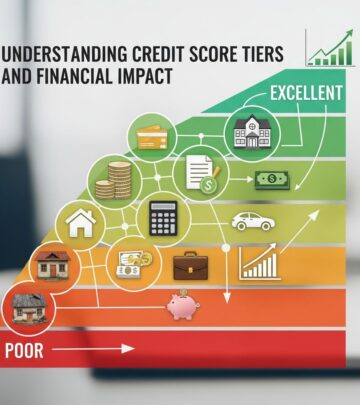
Since scores range from 300 to 850, you might wonder what qualifies as “good.” While scoring models may vary slightly, most lenders consider scores of 670 and above as demonstrating good creditworthiness. However, understanding these ranges provides more nuance:
| Score Range | Credit Quality | Lending Outlook |
|---|---|---|
| 300-579 | Poor | Difficult to obtain credit; high interest rates if approved |
| 580-669 | Fair | Limited options; higher costs for borrowing |
| 670-739 | Good | Reasonable approval rates; competitive interest rates |
| 740-799 | Very Good | Strong approval likelihood; favorable terms |
| 800-850 | Excellent | Highest approval rates; best available rates |
Achieving a good credit score requires consistent financial responsibility across multiple areas of your financial life, not just one or two factors.
How Credit Scores Shape Borrowing Capacity
One of the most direct impacts of a strong credit score is your ability to borrow money. When you apply for a mortgage, auto loan, or credit card, lenders evaluate your credit score to determine whether to approve your application and what terms to offer.
With a good credit score, you’re significantly more likely to receive loan approval. Lenders view higher scores as indicators of lower risk, making them willing to extend credit more readily. Beyond mere approval, your score determines the size of loans available to you. Borrowers with excellent scores often qualify for larger loan amounts, while those with weaker scores may only access smaller amounts or face rejection.
Perhaps most importantly, your credit score directly influences the interest rates you’re offered. The difference between a good score and an excellent score can mean thousands of dollars in interest savings over the life of a loan. For example, a borrower with an excellent credit score might secure a mortgage at 6.0%, while someone with a fair score might face a 7.5% rate on the same loan amount.
The Purchasing Power Advantage
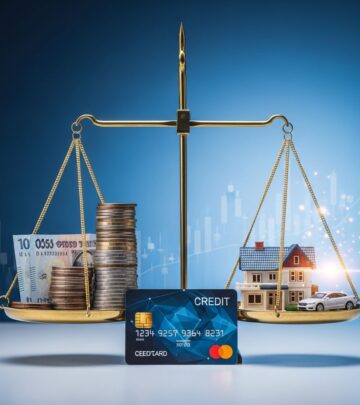
“Purchasing power” refers to your financial capacity to acquire goods and services, and a strong credit score directly enhances it. When you can borrow at lower interest rates, you keep more money in your pocket, freeing up resources for other financial goals.
Consider this practical scenario: A lower interest rate on a 30-year mortgage could save you tens of thousands of dollars. Those savings translate directly into increased purchasing power for other needs—whether upgrading your home, funding education, or building emergency reserves. Similarly, better rates on auto loans mean lower monthly payments, leaving more money available for other expenses.
Beyond lending, your credit score influences other financial aspects that expand or limit your purchasing power:
- Rental Housing — Landlords increasingly review credit scores when evaluating tenant applications. A strong score makes securing quality housing easier and often results in lower security deposits.
- Insurance Premiums — Many insurance companies use credit information to calculate rates. Better credit typically means lower insurance costs for auto, home, and other policies.
- Utility Services — Some utility companies review credit before establishing service, and weak credit may require deposits.
- Employment Opportunities — Certain employers check credit scores during hiring processes, particularly for positions involving financial responsibility.
The Critical Role of Payment History
Since payment history comprises 35% of your credit score—the largest single factor—understanding its importance is fundamental. This category reflects whether you’ve paid bills on time and how consistently you’ve done so.
A single late payment can damage your score, and the impact intensifies with severity. Payments 30 days late have less impact than those 90 days overdue, but both harm your score. Accounts sent to collections or involving foreclosures create significant damage that persists for years.
The positive news: payment history can recover. As time passes since late payments, their impact diminishes. Maintaining consistent on-time payments going forward gradually restores your score. This means that even those with past credit problems can rebuild and eventually access better financial terms.
Understanding Credit Utilization
Your credit utilization ratio—the percentage of available credit you’re using—accounts for 30% of your score. If you have a credit card with a $5,000 limit and carry a $1,500 balance, your utilization is 30%. Lenders and credit scoring models prefer to see lower utilization ratios, ideally below 30%.
Why does utilization matter so much? High utilization suggests you’re financially stressed or overextended, increasing your perceived risk as a borrower. Even if you pay on time, maxed-out credit cards signal potential problems to lenders.
Interestingly, you don’t need to carry no balance to optimize utilization. Simply paying down balances before your statement closing date can lower your reported utilization, even if you use the cards throughout the month. This strategy allows you to maintain active credit accounts while keeping your score healthy.
The Long-Term Benefits of Credit History
Your credit history’s length—how long you’ve maintained credit accounts—comprises 15% of your score. Generally, longer histories boost your score because they demonstrate extended experience managing debt successfully.
This factor illustrates why closing old credit card accounts can hurt your score. When you close an account, the history associated with it remains on your report but counts less favorably. Keeping old accounts open, even if unused, helps maintain a longer average account age.
However, length of history alone doesn’t guarantee a good score. Someone with a 20-year credit history who frequently misses payments would score lower than someone with five years of perfect payment history. The quality of your history matters as much as its duration.
Credit Diversity and Account Mix
Credit scoring systems reward borrowers who successfully manage multiple types of credit accounts. This “credit mix” comprises 10% of your FICO score. Lenders view demonstrated ability to handle credit cards (revolving credit) and installment loans (auto loans, mortgages, personal loans) as evidence of financial competence.
However, this doesn’t mean you should open accounts you don’t need. Taking on unnecessary debt to improve credit mix actually damages your score through increased debt levels and hard inquiries. The benefit comes from responsibly managing varied credit types you genuinely use.
New Credit Applications and Inquiries
Applying for new credit temporarily lowers your score because each application triggers a “hard inquiry” on your credit report. These inquiries remain visible for two years, though their impact diminishes after the first year.
Multiple hard inquiries within a short period create greater concern for lenders, potentially signaling financial distress or desperation for credit. However, rate-shopping for a single loan (mortgage, auto loan) within a limited timeframe typically counts as one inquiry, minimizing the impact.
Importantly, checking your own credit score—a “soft inquiry”—never damages your score. Many lenders and financial institutions offer free credit monitoring, allowing you to track your score without penalty.
The Broader Impact on Financial Health
Beyond immediate borrowing advantages, credit scores influence your overall financial health and life opportunities. Research suggests credit scores correlate with broader financial competence and responsibility. Those who manage credit successfully tend to develop better habits across all financial domains.
Furthermore, credit scores increasingly affect non-financial decisions. Some employers review credit before hiring, particularly for positions involving financial responsibility. Landlords weigh credit heavily in tenant selection. Insurance companies adjust rates based on credit information. Understanding this reality emphasizes why credit management matters beyond simple borrowing capacity.
Building and Maintaining Strong Credit
Developing a strong credit score requires consistent attention to these five factors. Practically speaking, focus on these fundamentals:
- Pay every bill on time, establishing automatic payments when possible
- Keep credit card balances below 30% of available limits
- Maintain older credit accounts even if unused
- Manage diverse credit types responsibly
- Minimize new credit applications unless necessary
- Monitor your credit report for errors and dispute inaccuracies
Improving credit from fair to good ranges typically takes months of consistent responsible behavior. Moving from good to excellent can take years. However, the financial benefits justify the effort. Lower interest rates, better loan terms, improved housing options, and reduced insurance premiums compound into substantial lifetime savings.
Frequently Asked Questions
How often should I check my credit score?
You can safely check your credit score as often as you’d like—soft inquiries don’t damage it. Many people benefit from monitoring quarterly to catch errors or track improvement progress.
Can I improve my credit score quickly?
Dramatic improvements require time. However, paying down credit card balances immediately lowers utilization and can improve your score within weeks. Maintaining perfect payment history going forward gradually restores scores damaged by past problems.
Does my income affect my credit score?
Directly, no. Credit scores measure borrowing and repayment behavior, not income. However, income indirectly matters because it enables bill payments and affects debt-to-income ratios that lenders consider alongside credit scores.
What’s the difference between credit score and credit report?
Your credit report is the detailed record of your credit history—all accounts, payments, inquiries, and public records. Your credit score is a number derived by analyzing that report.
A strong credit score opens doors to financial opportunities and favorable terms that significantly impact your wealth-building potential. By understanding how scores are calculated and consistently managing the five key factors, you position yourself for long-term financial success and stability.
References
- How a Good Credit Score Can Impact Purchasing Power — Southern Credit Union. https://www.sccu.com/articles/personal-finance/how-credit-score-can-impact-purchasing-power
- Surprising Financial Decisions That Can Affect Your Credit Score — Citadel Banking. https://www.citadelbanking.com/citadel-financial-wellness/learn-and-plan/surprising-financial-decisions-that-can-affect-your-credit
- Your Credit Score and Its Impact on Your Personal Financial Goals — Dr. Bank Financial Services. https://drbank.com/whats-new/your-credit-score-and-its-impact-on-your-personal-financial-goals/
- Using Credit Scores to Understand Predictors and Consequences of Default — National Center for Biotechnology Information (NCBI). https://pmc.ncbi.nlm.nih.gov/articles/PMC6187788/
- How Your Actions Can Impact Your Credit Scores — Equifax. https://www.equifax.com/personal/education/credit/score/articles/-/learn/how-do-your-actions-affect-your-credit-scores/
- What Affects Your Credit Scores? — Experian. https://www.experian.com/blogs/ask-experian/credit-education/score-basics/what-affects-your-credit-scores/
Similar Articles








Read full bio of Sneha Tete