Credit Scores Explained
Unlock the secrets of credit scores: from calculation to improvement strategies for better financial opportunities.

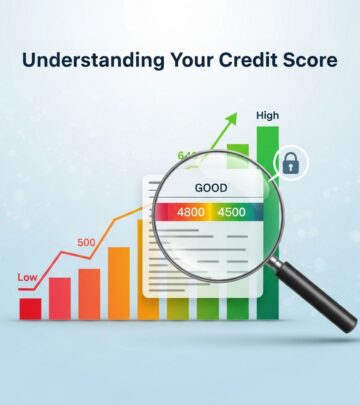
Credit scores serve as a critical snapshot of your financial reliability, influencing everything from loan approvals to interest rates. These three-digit numbers, typically ranging from 300 to 850, predict your likelihood of repaying debts on time based on credit report data.
The Role of Credit Scores in Everyday Finance
Lenders, landlords, and insurers rely on credit scores to gauge risk. A higher score signals lower risk, often leading to favorable terms like lower interest rates or higher credit limits. For instance, when applying for a mortgage or credit card, your score helps determine eligibility and costs.
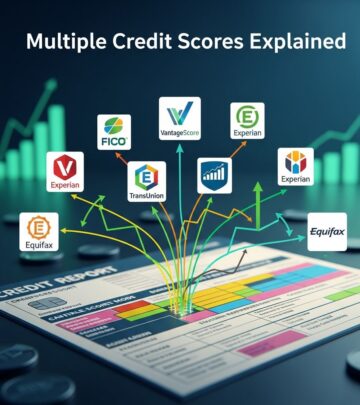
Credit scores are derived from reports maintained by major bureaus: Equifax, Experian, and TransUnion. These reports detail payment behaviors, debts, and account histories, which scoring models analyze to generate your number.
Common Credit Score Models and Ranges
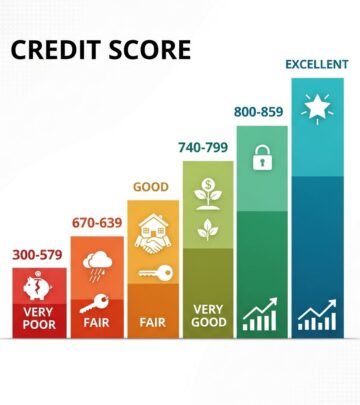
Different models exist, but FICO Scores dominate, used by 90% of top lenders, while VantageScore offers an alternative. Both generally span 300-850, though some industry-specific versions vary.
| Range | FICO Rating | VantageScore Rating | Implications |
|---|---|---|---|
| 800-850 | Exceptional | Excellent | Best rates and terms |
| 740-799 | Very Good | Good | Strong approval odds |
| 670-739 | Good | Fair/Good | Competitive offers |
| 580-669 | Fair | Poor/Fair | May qualify with higher rates |
| 300-579 | Poor | Very Poor | High risk, limited options |
Average U.S. FICO Score hovers around 715, with scores above 670 deemed good.
Key Factors That Shape Your Credit Score
Scores aren’t random; they stem from five primary factors, weighted differently across models like FICO.
- Payment History (35%): Tracks on-time payments, delinquencies, bankruptcies, and collections. This is the top factor—late payments can linger for years.
- Amounts Owed (30%): Focuses on credit utilization (used credit vs. available limits), ideally under 30%. Total debt across accounts also matters.
- Length of Credit History (15%): Average age of accounts and age of oldest account. Longer histories boost scores.
- Credit Mix (10%): Variety of accounts (credit cards, mortgages, auto loans). A balanced mix shows versatility.
- New Credit (10%): Recent inquiries and new accounts. Too many can signal risk.
Types of Credit Scores for Specific Needs
Beyond base scores, specialized versions exist. Base FICO Scores (8, 9, 10, 10T) suit general use, with Score 10T factoring trends like balance changes. Industry scores, like auto or bankcard versions, range 250-900 and predict specific defaults.
VantageScore adjusts ranges slightly, with “Excellent” starting at 781.
How to Access and Monitor Your Credit Score
Free annual reports from AnnualCreditReport.com provide raw data; scores often require paid services or bank perks. Many sites offer free scores from specific bureaus.
- Check weekly via official portals for accuracy.
- Review for errors like incorrect late payments and dispute promptly.
- Use apps from FICO or bureaus for ongoing tracking.
Practical Strategies to Boost Your Score
Improving takes time but yields results. Prioritize high-impact areas.
| Action | Impact Factor | Timeline |
|---|---|---|
| Pay bills on time | High (35%) | Immediate to months |
| Reduce utilization below 30% | High (30%) | 1-2 months |
| Keep old accounts open | Medium (15%) | Ongoing |
| Limit new applications | Low-Medium (10%) | Short-term |
| Diversify credit types | Low (10%) | Long-term |
Automate payments, pay down revolving debt, and avoid closing old cards to preserve history.
Common Myths and Misconceptions
- Myth: Rent or utilities build credit. Not automatically; use services that report them.
- Myth: Scores drop from checking your own report. Soft inquiries don’t affect scores.
- Myth: Closing cards helps utilization. It can hurt by shrinking available credit.
Impact of Negative Marks
Delinquencies fade over time: 7 years for most negatives, 10 for bankruptcies. Recent issues weigh heaviest, so recovery is possible with consistent habits.
FAQs
What is a good credit score?
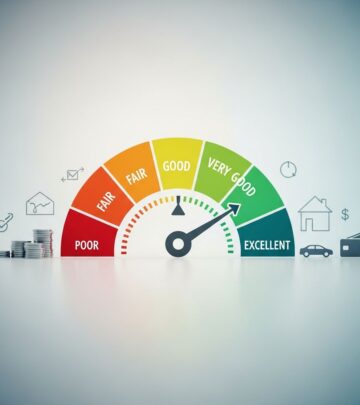
Scores of 670-739 are good, 740+ very good, and 800+ exceptional on a 300-850 scale.
How often do scores update?
Whenever report data changes, like new payments or inquiries, typically monthly.
Can I have multiple scores?
Yes, from different models and bureaus; they may vary slightly.
Does income affect my score?
No, scores focus on credit behavior, not earnings.
How long until a late payment stops hurting?
Up to 7 years, but impact lessens over time with positive actions.
Long-Term Financial Wellness
Maintaining a strong score opens doors to better opportunities. Combine score awareness with budgeting and saving for holistic health. Regularly review reports and adjust habits to stay above average.
References
- What is a Credit Score? – myFICO — myFICO. 2023. https://www.myfico.com/credit-education/credit-scores
- What Is a Credit Score & Why Is It Important? – Equifax — Equifax. 2023. https://www.equifax.com/personal/education/credit/score/articles/-/learn/what-is-a-credit-score/
- Credit Score Basics: Everything You Need to Know – Experian — Experian. 2023. https://www.experian.com/blogs/ask-experian/credit-education/score-basics/understanding-credit-scores/
- What is a Credit Score and Why Does It Matter? | University of Phoenix — University of Phoenix. 2023. https://www.phoenix.edu/blog/what-is-a-credit-score.html
- Understand, get, and improve your credit score | USAGov — USAGov (.gov). 2023. https://www.usa.gov/credit-score
- What Is a Good Credit Score? – Experian — Experian. 2023. https://www.experian.com/blogs/ask-experian/credit-education/score-basics/what-is-a-good-credit-score/
- What is a credit score? | Consumer Financial Protection Bureau — CFPB (.gov). 2023. https://www.consumerfinance.gov/ask-cfpb/what-is-a-credit-score-en-315/
Similar Articles








Read full bio of Sneha Tete