Credit Scores and Car Buying
Discover how your credit score shapes car loan approvals, interest rates, and strategies to improve financing options for your next vehicle purchase.

Your credit score serves as a key determinant in the car purchasing process, directly affecting loan eligibility, interest rates, and overall costs. Lenders rely on this three-digit number to gauge your reliability as a borrower, influencing everything from approval chances to monthly payments.
Understanding Credit Scores in Vehicle Financing
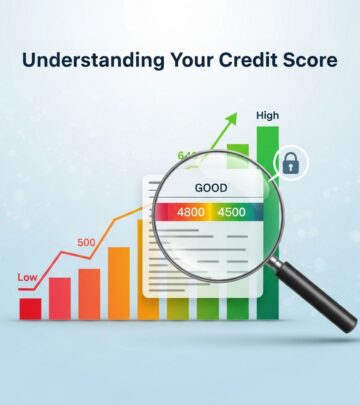
Credit scores range from 300 to 850, with higher scores signaling lower risk to lenders. When buying a car, whether new or used, your score dictates the terms offered by banks, credit unions, and dealership financiers. Excellent scores above 750 unlock prime rates, while scores below 650 often lead to steeper costs or denials.
Payment history weighs most heavily at about 35% of your score, followed by credit utilization, length of history, credit mix, and new inquiries. Auto loans fall under installment debt, distinct from revolving credit like cards, allowing lenders to emphasize vehicle payment patterns.
How Credit Impacts Loan Approval and Terms
A strong credit profile boosts approval odds and expands options. Lenders favor borrowers with proven track records, offering larger loans and flexible repayment schedules. Conversely, subprime scores demand higher down payments to mitigate risk, sometimes 20% or more of the vehicle’s price.
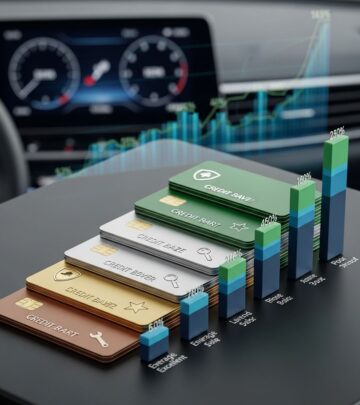
- Excellent (750-850): Near-guaranteed approval with maximal loan amounts and extended terms up to 84 months.
- Good (700-749): Strong approval likelihood, competitive terms with minor rate premiums.
- Fair (650-699): Approval possible but with elevated rates and stricter conditions.
- Poor (300-649): Challenges in securing standard loans; may require cosigners or alternative lenders.
These tiers illustrate how scores shape accessibility. For instance, poor credit might limit you to shorter loans, increasing monthly burdens.
Interest Rates: The Biggest Cost Driver
Interest rates hinge primarily on credit scores, with disparities compounding over loan life. A 740+ score might secure 4-5% APR on a $30,000 loan, while a 600 score could push it to 10-15%, adding thousands in extra payments.
| Credit Score Range | Typical APR Range | Est. Extra Cost on $30K Loan (60 mo.) |
|---|---|---|
| 750-850 | 4.0-5.5% | $0 (baseline) |
| 700-749 | 5.5-7.0% | $1,200-$2,100 |
| 650-699 | 7.5-10.0% | $2,400-$4,200 |
| Below 650 | 11.0%+ | $5,000+ |
This table highlights potential savings. Even a 50-point score improvement can yield hundreds annually in interest.
Down Payments and Risk Mitigation
Lower scores prompt lenders to require substantial down payments, reducing financed amounts and exposure. A 10-20% upfront payment on a $25,000 car equates to $2,500-$5,000, easing approval for riskier profiles.
Strategies like trading in a vehicle or saving aggressively help. Some programs target subprime buyers with incentives, but terms remain costlier overall.
Credit Inquiries During Car Shopping
Applying for auto loans triggers hard inquiries, temporarily dipping scores by 5-10 points each. Multiple pulls within 14-45 days count as one for scoring models, minimizing damage during rate shopping.
Prequalification via soft pulls avoids impacts, allowing comparison without penalty. Limit applications to a short window and avoid mixing auto with other loan types, as they register separately.
Building Credit Through Auto Financing
Responsibly managing a car loan enhances scores long-term. On-time payments fortify history (35% factor), while installment debt diversifies mix (10% factor).
For thin files, auto loans establish positive history, signaling maturity to future creditors. Consistent payments over 12-24 months can lift scores 50+ points, opening better opportunities.
- Automate payments to ensure timeliness.
- Keep utilization low across all accounts.
- Retain the loan post-payoff for history length benefits.
Steps to Strengthen Your Credit Before Buying
Preparation maximizes leverage. Start 3-6 months ahead with these actions:
- Review Reports: Access free weekly reports from AnnualCreditReport.com; dispute errors promptly.
- Pay Down Debt: Target utilization under 30% to boost scores quickly.
- Secure Preapprovals: Shop lenders for locked rates before dealerships.
- Timing Matters: End-month payments reflect positively sooner.
These steps can elevate scores into good ranges, unlocking superior terms.
Leasing vs. Buying: Credit Considerations
Leasing demands higher scores than purchasing, often 680+, due to residual value risks. Lessees face stricter scrutiny on debt-to-income ratios. Buyers with fair credit find more forgiveness in purchase loans.
Leasing builds credit similarly via payments but lacks equity buildup.
Subprime Financing Realities
Buy-here-pay-here lots serve poor-credit buyers but charge 15-25% APRs, trapping cycles of debt. Credit unions offer better subprime paths with financial counseling.
Cosigners with strong scores improve odds but share liability risks.
Long-Term Financial Planning
Factor total ownership costs: loan payments, insurance (higher for subprime), maintenance. Use affordability calculators to cap at 15% of income.
Post-purchase, monitor scores monthly; improvements refinance to lower rates after 6-12 months of history.
Frequently Asked Questions
Can I buy a car with bad credit?
Yes, but expect higher rates, larger down payments, or cosigners. Credit unions and specialty lenders provide options.
How long do inquiries affect my score?
Hard inquiries linger 2 years but impact fades after 12 months.
Does paying off a car loan hurt credit?
No, it helps via perfect history; closing reduces mix/age slightly, but positives outweigh.
What’s a good credit score for 0% financing?
Typically 780+, during promotions.
Should I lease or buy with fair credit?
Buying often better for flexibility and equity.
References
- How Your Credit Score Affects a Car Purchase — Credit Union 1. 2023. https://www.creditunion1.org/learn/cu1-education/how-your-credit-score-affects-a-car-purchase/
- How Auto Financing Can Impact Your Credit — GM Financial. 2024-08-05. https://www.gmfinancial.com/en-us/financial-resources/articles/how-auto-financing-affects-credit.html
- How Your Credit Score Affects Auto Loan Interest Rates — Consumer Reports. 2023. https://www.consumerreports.org/money/car-financing/how-your-credit-score-affects-auto-loan-interest-rates-a9997593057/
- Can Buying A Car Help My Credit? — Schicker Ford of Union. 2023. https://www.schickerfordunion.com/can-buying-a-car-help-my-credit.html
- How Do Credit Scores Factor into Car Buying? — Alpine Buick GMC. 2023. https://www.alpinebuickgmc.com/blogs/6081/how-do-credit-scores-factor-into-car-buying-understanding-the-role-of-credit-in-financing-your-vehicle
- How will shopping for an auto loan affect my credit? — Consumer Financial Protection Bureau (CFPB). 2023. https://www.consumerfinance.gov/ask-cfpb/how-will-shopping-for-an-auto-loan-affect-my-credit-en-763/
Similar Articles








Read full bio of Sneha Tete