Credit Score Without Credit History: 5 Simple Ways To Build One
Discover what happens when you lack credit history, why you're 'credit invisible,' and proven strategies to establish a strong credit profile from scratch.
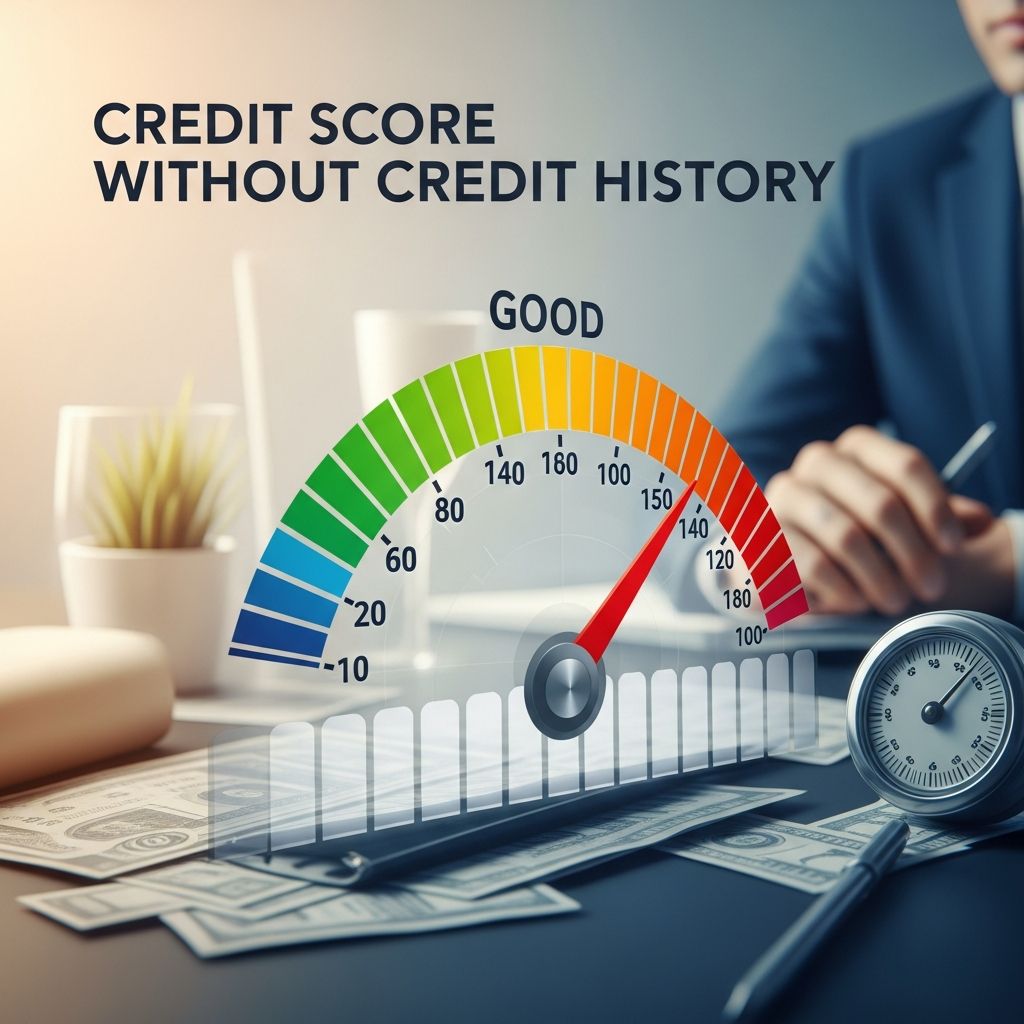
Lacking a credit history results in no credit score at all, a status known as being credit invisible, rather than having a score of zero. This situation arises when there is insufficient data in credit reports for scoring models like FICO or VantageScore to generate a number, typically because no credit accounts have been opened or used recently.
Understanding Credit Invisibility and Unscorability
Credit invisibility affects millions, with about 28 million Americans having no credit data reported to major bureaus like Experian, Equifax, and TransUnion, and another 21 million deemed unscoreable due to thin files. Being credit invisible means your credit file lacks the necessary information—such as payment history or account details—to compute a score. This differs from unscorability, where some credit exists but not enough for a reliable score, often after inactivity for six months or more.
Common reasons include never opening a credit card, loan, or mortgage; paying everything in cash; or being a recent immigrant or young adult just entering the financial system. Importantly, this status does not reflect irresponsibility—it’s simply a lack of reported credit activity.
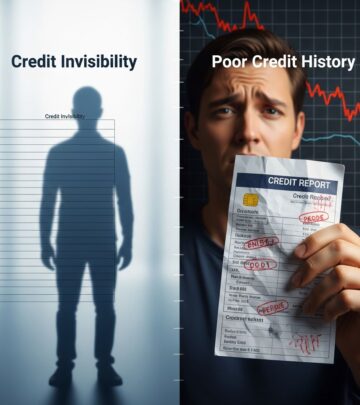
No Credit Score vs. Low or Zero Score: Key Differences
A common misconception is that no credit equals a zero score, but credit scores range from 300 to 850 for both FICO and VantageScore models—no true zero exists. Even those with poor credit history receive at least a 300. Without history, you’re not penalized with a low score; you’re just absent from the scoring system.
| Aspect | No Credit Score | Low Credit Score |
|---|---|---|
| Cause | No or insufficient credit accounts reported | Negative items like late payments, defaults |
| Score Value | None (invisible/unscorable) | 300-669 typically |
| Lender View | Unknown risk; often denied or high rates | Known poor risk; higher rates, limits |
| Building Path | Establish new accounts responsibly | Improve payment history, reduce debt |
This table highlights why no score can be as challenging as a low one, as lenders can’t assess your repayment likelihood.
Real-World Impacts of Lacking a Credit Score
Without a score, securing loans, credit cards, apartments, or jobs becomes difficult. Lenders view you as an unknown risk, leading to denials or unfavorable terms like high-interest subprime cards. For instance, mortgage approvals, auto loans, or even utility setups may require larger deposits. Employment screening increasingly checks credit, potentially closing doors.
- Higher borrowing costs if approved
- Limited access to premium rewards cards
- Challenges renting or buying homes
- Potential job offer rejections in finance-related fields
However, it’s not impossible to live without credit if avoiding debt, though opportunities shrink.
Steps to Verify and Start Your Credit Journey
Begin by checking your status via free weekly reports from AnnualCreditReport.com, pulling from all three bureaus. If no file exists, you’re truly invisible; if a thin file appears, watch for errors or identity mix-ups and dispute them promptly.
- Request reports from Experian, Equifax, TransUnion.
- Review for inaccuracies and file disputes online.
- Monitor for fraudulent activity if a file unexpectedly exists.
Effective Strategies to Build Credit from Nothing
Building credit requires intentional, responsible actions over 6-12 months to generate reportable data. Aim for scores above 700 for optimal terms.
1. Become an Authorized User
Ask a trusted family member or friend with excellent credit to add you to their card. Their positive history—on-time payments, low utilization—can appear on your report if the issuer reports authorized users. You’re not responsible for payments, but confirm reporting to all bureaus.
2. Secured Credit Cards
These require a refundable deposit (often $200-$500) as your credit limit. Use lightly and pay in full monthly; issuers like Discover or Capital One report to bureaus, kickstarting your score. Graduation to unsecured cards often follows good behavior.
3. Credit-Builder Loans
Borrow a small amount held in a savings account while making fixed payments. Self or credit unions offer these; payments build history without debt risk since funds are secured.
4. Retail or Student Cards
Entry-level cards from stores or for students have lenient approvals. Limit use to small purchases paid off immediately to avoid interest.
5. Experian Boost and Alternatives
Services like Experian Boost add utility, phone, and streaming payments to your file, potentially raising scores quickly for free.
- Pay rent via services reporting to bureaus (e.g., RentTrack).
- Use buy-now-pay-later apps that report positively.
Best Practices for Healthy Credit Growth
Once started, prioritize habits for rapid improvement:
- Pay on time (35% of FICO score).
- Keep utilization under 30%.
- Avoid too many inquiries.
- Diversify with one card and installment loan eventually.
Patience yields results: New users often start mid-600s, climbing with consistency.
Frequently Asked Questions (FAQs)
What is my credit score if I have no credit history?
You have no score; you’re credit invisible until sufficient data accumulates.
How long to build credit from no history?
3-6 months for a score, 6-12 for a good one with consistent use.
Can I get a loan with no credit score?
Possible via secured options, but expect higher rates or denials elsewhere.
Is no credit the same as bad credit?
No—bad credit has negative marks; no credit is neutral but unproven.
Does paying rent or utilities build credit?
Not automatically, but services like Experian Boost can include them.
Long-Term Benefits of Establishing Credit
A solid score unlocks lower rates on mortgages (saving thousands), better card perks, easier rentals, and career advantages. It’s a foundational financial tool, not just for borrowing.
Recent immigrants, young adults, or cash-preferring individuals benefit most by starting small. Tools evolve, like alternative data scoring, broadening access.
References
- What Having No Credit Score Really Means — TDECU. 2023. https://www.tdecu.org/blog/what-no-credit-score-means
- What Is My Credit Score If I Have No Credit History? — Bankrate. 2024-10-15. https://www.bankrate.com/credit-cards/building-credit/no-credit-score-zero-credit/
- No Credit Score Doesn’t Mean a Zero Credit Score — NerdWallet. 2024. https://www.nerdwallet.com/finance/learn/no-credit-score-zero-credit-score
- Is it Bad to Have No Credit Score? — Experian. 2024-11-01. https://www.experian.com/blogs/ask-experian/is-it-bad-to-have-no-credit-score/
- Guide to Building Credit With No Credit History — SoFi. 2024. https://www.sofi.com/learn/content/how-to-build-credit-with-no-credit-history/
- Is Zero the Lowest Credit Score Possible? — American Express. 2023-08-20. https://www.americanexpress.com/en-us/credit-cards/credit-intel/zero-credit-score/
- 13 Ways to Establish Credit When You Have No Credit History — InCharge. 2024. https://www.incharge.org/debt-relief/credit-counseling/bad-credit/how-to-establish-credit-when-you-have-no-credit-history/
Similar Articles








Read full bio of medha deb