Understanding Credit Score Refresh Cycles
Learn how frequently your credit scores update and what drives changes in your financial profile.
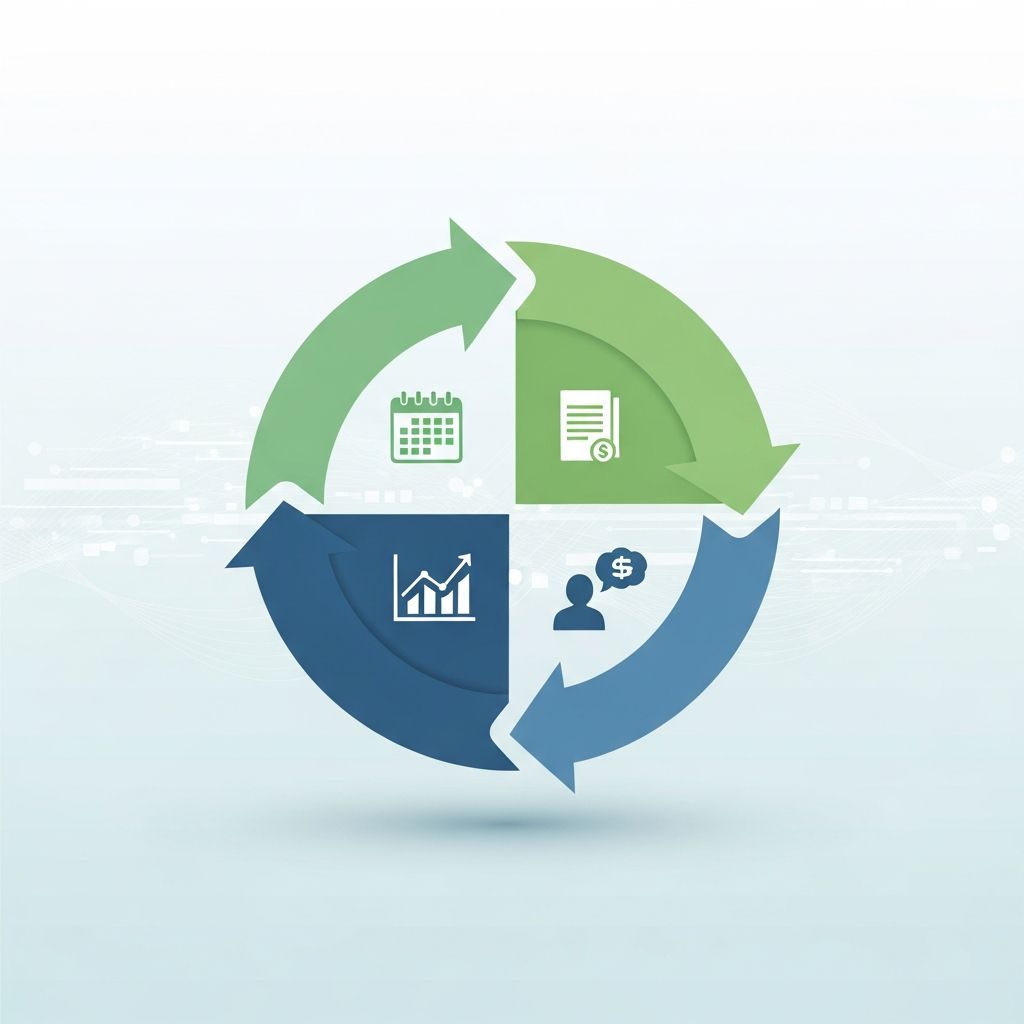
Your credit score is not a static number that remains constant throughout your financial life. Instead, it represents a dynamic snapshot of your creditworthiness at any given moment. One of the most common questions people have about credit management involves the frequency of score updates. Many individuals wonder whether their credit score changes daily, weekly, or monthly, and what factors influence the timing of these updates. Understanding the mechanics behind credit score refreshes is essential for anyone seeking to monitor their financial health or prepare for significant lending decisions.
The Baseline Frequency of Credit Score Updates
Credit scores typically update at least once every month. This monthly refresh cycle occurs because lenders and financial institutions routinely report account information to the three major credit bureaus—Equifax, Experian, and TransUnion. However, this baseline frequency tells only part of the story. The actual rate at which your score changes depends on numerous variables related to your specific financial situation, the number of active credit accounts you maintain, and the reporting schedules of your various creditors.
The reason for monthly updates stems from how credit reporting works. When you make a payment on a credit card, mortgage, auto loan, or other form of credit, the lender records this activity and transmits the information to one or more of the three national credit bureaus. These reports document whether you paid on time, the amount you paid, your current balance, and other relevant credit details. Each time a bureau receives updated information, the credit scoring algorithms recalculate your score based on the new data.
The Variable Timeline: Why Updates Occur at Different Times
While monthly updates represent the general expectation, the actual timing of these updates varies significantly. The key reason for this variability lies in the fact that each lender maintains its own reporting schedule. One credit card issuer might report to Equifax on the first of the month, while another reports on the fifteenth. A mortgage lender might report on a different schedule entirely. This staggered reporting means your credit reports at different bureaus receive updates on different days.
The National Association of Consumer Advocates notes that lenders typically report within a 30-45 day window. This timeframe allows creditors to compile account information and submit batch reports to the credit bureaus. Since each creditor operates on its own schedule, and since multiple creditors likely report about your various accounts, your credit report can change multiple times throughout a single month. This continuous updating is considered normal and expected in the credit industry.
Multi-Account Impact on Update Frequency
The number of active credit accounts you hold significantly influences how often your credit score changes. Consider a consumer with multiple credit obligations:
- A mortgage that reports on the tenth of each month
- An auto loan that reports on the twenty-second of each month
- Two credit cards that report on different schedules
- A student loan with its own reporting timeline
In this scenario, the consumer’s credit reports could potentially receive updates multiple times within a single month. Each report potentially triggers a recalculation of the credit score. Consequently, the score could fluctuate up or down several times monthly rather than changing just once. Someone with only a single credit account, by contrast, might see their score change only once monthly when that sole creditor reports.
The Distinction Between Score Calculations and Information Updates
An important distinction exists between when credit information is updated and when credit scores are calculated. Your credit score updates every time it is requested. This means that when you check your credit score online, lenders inquire about your score, or credit bureaus generate a new score, the scoring algorithm calculates the score based on the current information in your credit file. If new information has been added since the last score calculation, the new score will reflect that updated data.
This distinction explains why you might see different scores when checking at different times. If you view your score in the morning before any lender reports are processed, you see one number. If you check that evening after several reports have been processed, you might see a different number. The score itself is calculated on-demand, but the information underlying that calculation updates whenever creditors report new data.
Why Scores Differ Across Credit Bureaus
Another reason scores fluctuate involves the fact that not all lenders report to all three credit bureaus. Some lenders report to only one or two of the major bureaus. This creates situations where your Equifax credit report contains different information than your Experian or TransUnion reports. Consequently, your credit score based on Equifax data may differ from your score based on Experian or TransUnion data, even when calculated at the same moment using identical scoring formulas.
Furthermore, different credit scoring models weight various factors differently. FICO® Scores and VantageScore®, for example, both range from 300 to 850 and consider factors like payment history and credit utilization. However, they assign different weights to these factors, resulting in different scores even when based on the same underlying credit report data. This multiplicity of scores and bureaus means that checking your credit score from different sources will frequently yield different numbers, and all of these variations are entirely normal.
Factors That Trigger Faster Score Changes
Certain financial activities can prompt faster credit score updates than the typical monthly refresh:
- New Credit Applications: Hard inquiries from lenders appear in your credit report quickly and immediately impact your score
- Recent Delinquencies or Missed Payments: Lenders often report late payments promptly, sometimes within days rather than waiting for the regular monthly cycle
- Significant Balance Changes: Major reductions in outstanding balances can trigger updated reports faster than routine monthly payments
- Credit Limit Changes: Increases or decreases in available credit appear in reports quickly
- New Accounts: Opening new credit accounts generates immediate reporting
- Dispute Resolutions: When you dispute credit report errors, corrections can update your file within 30-45 days
These events don’t necessarily mean lenders break their normal reporting schedules, but they may trigger expedited or out-of-cycle reporting when significant account changes occur. Additionally, your credit score recalculation itself happens whenever a new score is requested, even if the underlying information hasn’t changed.
The Impact of Information Type on Update Timing
Different types of credit information update on varying schedules. Hard inquiries, which result from credit applications, appear almost immediately. Payment information typically updates monthly according to each lender’s schedule. Account balance updates usually occur at the end of your billing cycle. Collections accounts or charge-offs may update with some delay as these actions work through the lender’s internal processes.
The variation in update timing means that different aspects of your credit profile refresh at different rates. Your revolving credit utilization (the percentage of available credit you’re using) might update monthly, while inquiries update nearly instantly, and delinquencies might update within days of being reported by the lender.
Monitoring Your Credit Score Effectively
Understanding that credit scores update frequently and at varying intervals has practical implications for credit monitoring. To see actual changes to your credit score, you must request a new score. Your score doesn’t automatically alert you when changes occur; you must actively check it to observe updates.
Many financial institutions offer free credit score monitoring tools that allow you to check your score regularly without hard inquiries damaging your credit. Credit card companies increasingly provide free credit scores to cardholders. Numerous websites offer free credit monitoring services. By checking your score periodically rather than obsessively, you can observe patterns in how your score changes over time while avoiding the stress of monitoring it daily.
Free credit reports, which you can obtain annually from each of the three major credit bureaus through AnnualCreditReport.com, provide detailed information about the accounts, inquiries, and other factors influencing your score. Reviewing these reports regularly helps you catch errors or unauthorized accounts that might be triggering unwanted score changes.
Common Misconceptions About Credit Score Updates
Several widespread misconceptions exist about credit score updating. First, many people believe all lenders report simultaneously on the same day each month. In reality, reporting schedules are highly individualized. Second, some assume that checking their own credit score damages it or causes it to drop. In fact, personal credit inquiries (soft inquiries) don’t affect scores; only hard inquiries from lenders applying on your behalf impact scores. Third, many people believe their score changes only once monthly. Depending on account complexity, scores can change multiple times monthly or even show daily fluctuations.
Long-Term Score Trends Versus Short-Term Fluctuations
While credit scores can fluctuate frequently due to ongoing information updates, FICO scores generally do not change dramatically over extended periods. Short-term fluctuations of 5-10 points are normal and expected. Significant, sustained improvements typically require consistent positive financial behavior over months or years, such as maintaining perfect payment records, reducing credit utilization, and avoiding new delinquencies.
The temporary nature of most score changes matters when planning major financial decisions. If you’re preparing to apply for a mortgage or auto loan, making a large credit card payment to reduce your utilization ratio might improve your score modestly within a month. However, building excellent credit fundamentally requires consistent financial discipline over extended periods rather than expecting dramatic overnight improvements.
Preparing for Lending Decisions
Understanding credit score update cycles helps you time major financial decisions strategically. If you plan to apply for a mortgage or auto loan, consider:
- Paying down significant credit card balances several months before applying, allowing your lower utilization to be reported and reflected in scores
- Allowing several months to pass after recent delinquencies or collections to demonstrate current positive behavior
- Checking your credit reports for errors well in advance, allowing time for dispute resolution before lender inquiries
- Avoiding new credit applications in the months immediately before major lending decisions, as new inquiries and accounts temporarily reduce scores
Most lenders recognize that credit scores fluctuate and that the typical 30-45 day reporting cycle means scores vary. However, demonstrating recent positive financial behavior across multiple reported months provides stronger evidence of creditworthiness than a single strong score snapshot.
The Importance of Consistent Monitoring
Regular credit score and report monitoring serves multiple purposes beyond simple curiosity about your financial standing. Monitoring helps you:
- Detect identity theft or fraud quickly, before significant damage occurs
- Identify and dispute credit report errors that may be artificially suppressing your score
- Understand which financial behaviors most significantly impact your score in your specific situation
- Anticipate how upcoming actions (new applications, large purchases, payoffs) might affect your score
- Track progress toward credit improvement goals over time
By checking your score and reports periodically—monthly or quarterly rather than daily—you maintain awareness of your credit status and can respond quickly to problematic changes while avoiding unhealthy obsession with minor fluctuations.
References
- How Often Is a Credit Report Updated? — Experian. https://www.experian.com/blogs/ask-experian/credit-information-is-updated-continuously/
- How Often Does Your Credit Score Update? — OneMain Financial. https://www.onemainfinancial.com/resources/credit/how-often-does-your-credit-score-update
- How Often Does Your Credit Score Update? — Equifax. https://www.equifax.com/personal/education/credit/score/articles/-/learn/how-often-does-your-credit-score-update/
- How Often Does My Credit Score Update? — University of Maine. https://www.ucumaine.com/blog-how-often-does-credit-score-update/
- When Do Credit Scores Update? — Chase. https://www.chase.com/personal/credit-cards/education/credit-score/when-credit-scores-update
- How Often Is My Credit Score Updated? — Experian. https://www.experian.com/blogs/ask-experian/how-often-is-my-credit-score-updated/
- Do FICO scores change much over time? — MyFICO. https://www.myfico.com/credit-education/faq/scores/do-fico-scores-change-much-over-time
Similar Articles








Read full bio of Sneha Tete