Credit Score Myths That Sabotage Your Finances
Uncover the top misconceptions about credit scores and learn proven strategies to protect and boost your financial health today.

Your credit score influences everything from loan approvals to rental applications and even job opportunities. Yet, widespread misconceptions about how credit works can lead to costly mistakes. This article debunks key myths using insights from authoritative sources, empowering you to make informed decisions that strengthen your financial profile.
Understanding the Foundations of Credit Scoring
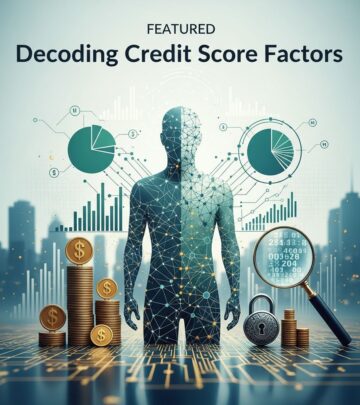
Credit scores, such as FICO and VantageScore, are numerical summaries of your creditworthiness based on your credit report data. Payment history weighs heaviest at 35%, followed by credit utilization at 30%, length of credit history at 15%, new credit at 10%, and credit mix at 10%. These factors, tracked by bureaus like Equifax, Experian, and TransUnion, determine your score’s health.
Misinformation spreads easily online, often leading people to actions that backfire. For instance, many believe certain habits automatically improve scores, but evidence shows otherwise. Let’s examine prevalent myths and their realities.
Myth 1: Self-Checking Your Score Damages It
A common fear is that monitoring your own credit score triggers penalties. In reality, soft inquiries—those you initiate yourself—do not affect your score. Hard inquiries, from lenders during applications, may cause a minor, temporary dip.
Regular self-checks via free services from credit card issuers or AnnualCreditReport.com help spot errors early. The Consumer Financial Protection Bureau (CFPB) confirms that accessing your free annual reports has zero negative impact. Make it a habit to review quarterly for accuracy.
Myth 2: Carrying a Monthly Balance Builds Credit
Some think leaving a balance to pay interest signals active use to scorers. Fact: Paying in full each month optimizes your score. Credit utilization—the ratio of balances to limits—should stay under 30%. High utilization, even if paid off later, hurts because scorers assess reported balances.
Experian notes that carrying balances racks up interest without score benefits and can inflate utilization if statements close high. Aim for low or zero balances at statement dates for peak performance.
| Utilization Range | Impact on Score |
|---|---|
| 0-10% | Excellent |
| 10-30% | Good |
| 30-50% | Fair |
| Over 50% | Poor |
This table illustrates ideal targets based on FICO guidelines.
Myth 3: Shutting Down Unused Cards Improves Scores
Closing old accounts to ‘clean up’ your report seems logical but often harms scores. It shortens credit history and spikes utilization by reducing total limits. Equifax warns that even paid-off closures can negatively affect models.
- Keep fee-free cards open for history length.
- Use them occasionally for small purchases to keep active.
- Monitor for fraud on dormant accounts.
Bankrate echoes that available credit buffers utilization during spending peaks.
Myth 4: Income Dictates Your Credit Score
Higher earnings don’t guarantee top scores; it’s behavior that counts. Income isn’t on credit reports, so it plays no direct role. Low-income individuals with disciplined habits often outscore high earners with poor management.
Focus on on-time payments and low debt over salary boosts. Experian emphasizes responsible habits as the true driver.
Myth 5: A Single Late Payment Is Negligible
Payment history dominates at 35%, and one 30-day late can drop scores by 60-110 points, lingering seven years. Recovery takes months of positive behavior.
Set autoplay for at least minimums. If missed, contact issuers immediately—goodwill adjustments sometimes work for first offenses.
Myth 6: All Debt Harms Your Score Equally
Not true—credit mix (10% of score) favors variety like cards, mortgages, and auto loans when handled well. Installment debt shows repayment capacity differently than revolving credit.
Bank of America notes mix demonstrates maturity. Avoid overextending; quality trumps quantity.
Myth 7: Paying Off Loans Erases Them Immediately
Closed positive accounts remain on reports up to 10 years, aiding scores. Premature closure might even dip scores temporarily by altering mix.
Equifax confirms positive history lingers beneficially.
Myth 8: Debit Cards or Cash Build Credit
These don’t report to bureaus, so no score impact. True building requires credit products like secured cards.
Proven Strategies to Elevate Your Score
Beyond myth-busting, adopt these tactics:
- Automate payments: Prevent lates.
- Request limit increases: Lowers utilization (avoid hard pulls if possible).
- Become authorized user: On low-utilization accounts.
- Dispute errors: Free weekly reports via AnnualCreditReport.com.
- Build history gradually: Start with secured cards.
Track progress with free tools from issuers. Scores can rise 100+ points in a year with consistency.
Frequently Asked Questions
How long does a late payment stay on my report?
Up to seven years, but impact fades over time.
Does applying for cards always hurt?
Hard inquiries ding temporarily (5-10 points), but new credit can help utilization. Limit to 1-2 yearly.
Can I improve score without a credit card?
Yes, via credit-builder loans or authorized user status.
What’s optimal utilization?
Under 10% ideal, 30% max.
Do authorized users build credit?
Yes, if primary account is positive.
Long-Term Financial Wellness
A strong score unlocks lower rates—saving thousands on mortgages or cars. Pair credit savvy with budgeting and emergency funds. Tools like CFPB’s resources guide ongoing education.
By ditching myths, you’re positioned for lasting gains. Monitor regularly, act deliberately, and watch your financial doors widen.
References
- Credit Score Myths That Could Be Holding You Back — CSCU. 2023. https://www.cscutx.com/blog/credit-score-myths-that-could-be-holding-you-back
- 11 Credit Myths Debunked — Experian. 2024-01-15. https://www.experian.com/blogs/ask-experian/credit-myths-vs-facts/
- 10 Credit Card Myths, Busted — Bankrate. 2024-03-20. https://www.bankrate.com/credit-cards/advice/credit-card-myths/
- Credit Facts & Myths You Should Know — Equifax. 2023-11-10. https://www.equifax.com/personal/education/credit/score/articles/-/learn/credit-myths-facts/
- Credit Score Myths That Might Be Holding You Back — Consumer Financial Protection Bureau. 2022-06-08. https://www.consumerfinance.gov/about-us/blog/credit-score-myths-might-be-holding-you-back-improving-your-credit/
- Debunking the Myths: 7 Facts About Credit Cards — Bank of America Better Money Habits. 2024. https://bettermoneyhabits.bankofamerica.com/en/credit/5-facts-about-credit-cards
Similar Articles








Read full bio of medha deb