Credit Score Monitoring: Frequency and Best Practices
Learn optimal timing for credit score reviews and monitoring strategies

Your credit score serves as a numerical representation of your creditworthiness, influencing everything from loan approvals to interest rates. Understanding how frequently you should review this important metric and what to look for during these reviews can significantly impact your financial decision-making and overall fiscal well-being. This comprehensive guide explores the optimal approach to credit monitoring and provides actionable strategies for maintaining healthy credit throughout the year.
Establishing Your Baseline Monitoring Schedule
Financial experts recommend establishing a minimum annual review of your credit information as a foundational practice. This baseline approach ensures you maintain awareness of your credit profile without becoming overly fixated on daily fluctuations. Your annual review should serve as your primary touchpoint for assessing overall credit health, allowing you to identify any significant changes or discrepancies that may require attention.
Rather than randomly selecting a time, anchor your credit review to a memorable date or event. Consider reviewing your scores at the beginning of a new calendar year, immediately following your annual tax return filing, or during your regular health insurance plan review. These touchstones create natural reminders and help establish a consistent monitoring habit that requires minimal additional effort to maintain.
Strategic Review Periods for Major Financial Decisions
Beyond your baseline annual check, certain life events and financial activities warrant increased attention to your credit profile. When contemplating significant financial commitments, elevated monitoring becomes particularly valuable. Several critical periods demand additional scrutiny of your credit information:
- Months preceding a mortgage application or home purchase
- Pre-application review before seeking an auto loan or vehicle financing
- Credit card applications or refinancing of existing debt
- Business financing or commercial credit applications
- Instances where you suspect fraudulent activity or identity theft
Reviewing your credit profile several months in advance of major financial decisions allows time to address any issues before submitting applications. This proactive approach provides an opportunity to dispute inaccuracies, reduce outstanding balances, or take other corrective measures that may improve your credit profile before lenders evaluate your application.
Understanding Credit Score Update Cycles
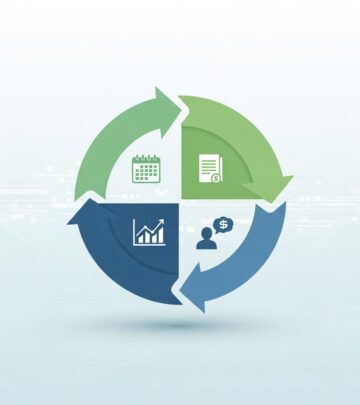
Credit scores don’t remain static; they fluctuate based on changes to your underlying credit information. While credit scores technically can update daily as scoring models recalculate based on available data, most people won’t observe noticeable changes more frequently than monthly.
Lenders typically report new credit information to bureaus approximately every 30 to 45 days. Since most consumers maintain multiple credit accounts, reports can update multiple times throughout a single month as different creditors submit their latest information. This irregular update cycle means checking your score daily provides minimal practical value, as substantial changes typically correlate with monthly reporting cycles from your various lenders.
The Truth About Self-Checking and Score Impact
A persistent myth surrounding credit management claims that checking your own credit score damages your rating. This misconception has deterred countless individuals from regularly monitoring their financial profiles. Self-checks of your credit history, report, or score never negatively affect your credit rating.
This protection stems from the distinction between soft inquiries and hard inquiries. When you personally check your credit, it registers as a soft inquiry that remains invisible to potential creditors and doesn’t influence your score. Only hard inquiries—initiated when you apply for new credit—potentially impact your rating. Understanding this distinction should eliminate any hesitation about regularly monitoring your credit profile.
Accessing Your Credit Information: The Three-Bureau Approach
The United States maintains three major credit reporting agencies: Equifax, Experian, and TransUnion. Each operates independently and may possess slightly different information about your credit history. Reviewing reports from all three major credit reporting agencies provides a complete picture of your creditworthiness since creditors choose which agencies to report to and when.
Federal law permits you to receive one free credit report every 12 months from each of the three major credit bureaus, and the Federal Trade Commission reports that these agencies have permanently extended the program to include one free report per week. This expansion dramatically increases accessibility to your credit information at no cost.
Optimizing Your Free Report Access
Rather than requesting all three reports simultaneously, consider staggering your requests. By ordering one report from a different bureau every four months, you maintain continuous oversight of your credit profile without exhausting your annual allotments. This systematic approach ensures you catch discrepancies relatively quickly while stretching your free resources throughout the year.
Key Elements to Review During Credit Report Examination
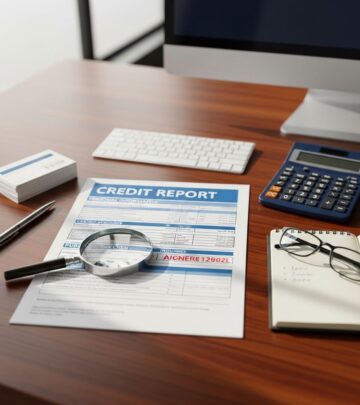
Merely viewing your credit report provides limited value; you must actively examine its components for accuracy and signs of fraudulent activity. Several critical areas deserve your focused attention during each review:
Account Verification
You should recognize every debt, sometimes called a tradeline, appearing in the report, as something unfamiliar may indicate a simple error or signal that someone is opening accounts in your name. Account summaries should include only lines of credit you’ve actively opened and maintained.
Balance Verification
Review reported balances against your actual outstanding debt. Significant discrepancies might indicate reporting errors or fraudulent charges on your accounts. Knowing your current obligations also helps you understand your utilization ratio—the percentage of available credit you’re actively using—which influences your credit score.
Payment History Accuracy
Payment history shapes 35% of the FICO credit score, making it important to watch for incorrect late payment reports. Verify that all on-time payments are properly recorded and that any late payments reflect actual missed payments rather than reporting errors.
Inquiry Assessment
If recent hard inquiries appear on your report but you haven’t applied for loans or credit cards, someone may be attempting to obtain credit in your name. Unfamiliar inquiries warrant immediate investigation and potential reporting to the credit bureaus.
Leveraging Credit Monitoring Services
For individuals not actively working to improve their credit or preparing for imminent credit applications, passive credit monitoring services offer a practical middle ground. Credit monitoring services inform you about important changes in your credit report, allowing you to take a closer look once or twice a year rather than continuously tracking minor fluctuations.
Many credit monitoring services operate on tiered models, with basic options available free or at minimal cost through various financial institutions. Enhanced services may charge monthly fees but provide additional benefits like identity theft protection, fraud monitoring, or detailed credit analysis. Selecting an appropriate service depends on your specific needs, risk profile, and comfort level with automated monitoring.
Addressing Discovered Errors and Discrepancies
The sooner you catch errors or problems, the better, and you can dispute inaccuracies quickly on each bureau’s website. When you identify inaccuracies, initiating disputes promptly maximizes the likelihood of resolution before they negatively impact significant financial decisions.
Most bureaus allow online dispute filing, streamlining the correction process. Maintain documentation of your dispute submissions and follow up to ensure corrections appear in subsequent reports. Persistent errors may require additional steps, including communication with the original creditor or seeking assistance from consumer protection agencies.
Responding to Suspected Identity Theft
If you see signs of identity theft, alert the credit reporting agencies as soon as possible. Swift action can minimize damage and prevent fraudsters from establishing additional accounts in your name. Most bureaus provide identity theft resources and can place fraud alerts on your file to warn potential creditors of suspicious activity.
Frequency Recommendations by Scenario
| Scenario | Recommended Frequency | Key Focus Areas |
|---|---|---|
| General Credit Health Maintenance | Annually | Overall accuracy, fraud detection |
| Active Credit Improvement Efforts | Monthly or Quarterly | Score progression, balance reduction |
| Pre-Mortgage Application | 3-6 months before | Accuracy, debt levels, inquiries |
| Following Credit Card Application | After reporting cycle completes | Account verification, balance accuracy |
| Suspected Fraudulent Activity | Immediately and ongoing | Unauthorized accounts, inquiry validation |
| Active Credit Monitoring Subscribers | Alert-based with annual review | Changes flagged by service provider |
Frequently Asked Questions
Will checking my credit score multiple times hurt my rating?
No. Personal credit checks always register as soft inquiries and never impact your score. Only hard inquiries from creditors reviewing your application can potentially affect your rating.
Why do my three credit reports show different information?
Creditors choose which bureaus to report to and when. This discretion means bureaus may possess different account information, resulting in varying reports. Regular review of all three ensures comprehensive awareness of your credit profile.
How quickly can I see improvements after correcting errors?
Once a bureau corrects an error and updates your report, scoring models can recalculate your score, potentially producing immediate improvements. However, most people notice score changes within 1-2 billing cycles following corrections.
Are credit monitoring services worth the cost?
This depends on your individual circumstances. For most people maintaining good credit, free annual or semi-annual checks suffice. Those actively building credit or managing fraud concerns may find paid services valuable.
Can I dispute errors on my own, or do I need professional help?
You can dispute errors independently through bureau websites at no cost. Professional credit repair services aren’t necessary for most disputes, though they may help in complex situations.
Establishing Your Personal Monitoring Strategy
Determining your ideal credit monitoring frequency requires honest assessment of your current financial situation and upcoming plans. If you’re actively trying to improve your credit or preparing for an important credit application, keep a close eye on your credit; otherwise, consider using credit monitoring services that will inform you about important changes in your credit report.
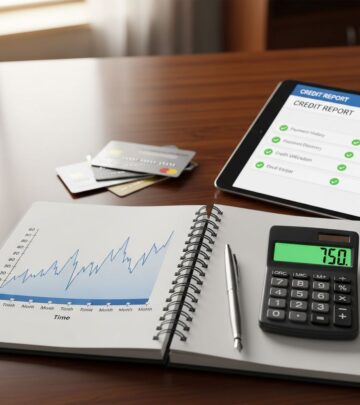
Most individuals benefit from a balanced approach combining annual self-directed reviews with passive monitoring services that alert them to significant changes. This strategy provides adequate oversight without creating unnecessary stress or consuming excessive time. As your financial circumstances evolve, adjust your monitoring approach accordingly to meet your changing needs.
Remember that credit management represents an ongoing process rather than a one-time event. Regular monitoring, combined with responsible financial behavior, creates a solid foundation for favorable credit outcomes throughout your life.
References
- How Often Should I Check My Credit Score? — Experian. https://www.experian.com/blogs/ask-experian/how-often-should-i-check-my-credit-score/
- How Often Should You Check Your Credit Report and Score? — American Express. https://www.americanexpress.com/en-us/credit-cards/credit-intel/how-often-should-you-check-your-credit-score/
- How Often Does Your Credit Score Update? — Credit Karma. https://www.creditkarma.com/credit/i/transunion-daily-credit-report
- How Often Does My Credit Score Update? — UCU Maine. https://www.ucumaine.com/blog-how-often-does-credit-score-update/
- Does Checking Your Own Credit Score Lower It? — Discover. https://www.discover.com/credit-cards/card-smarts/does-checking-your-own-credit-score-lower-it/
Similar Articles








Read full bio of Sneha Tete