Credit Score Drop: Causes and Recovery Steps
Discover why your credit score suddenly fell and get proven strategies to rebuild it fast for better financial opportunities.
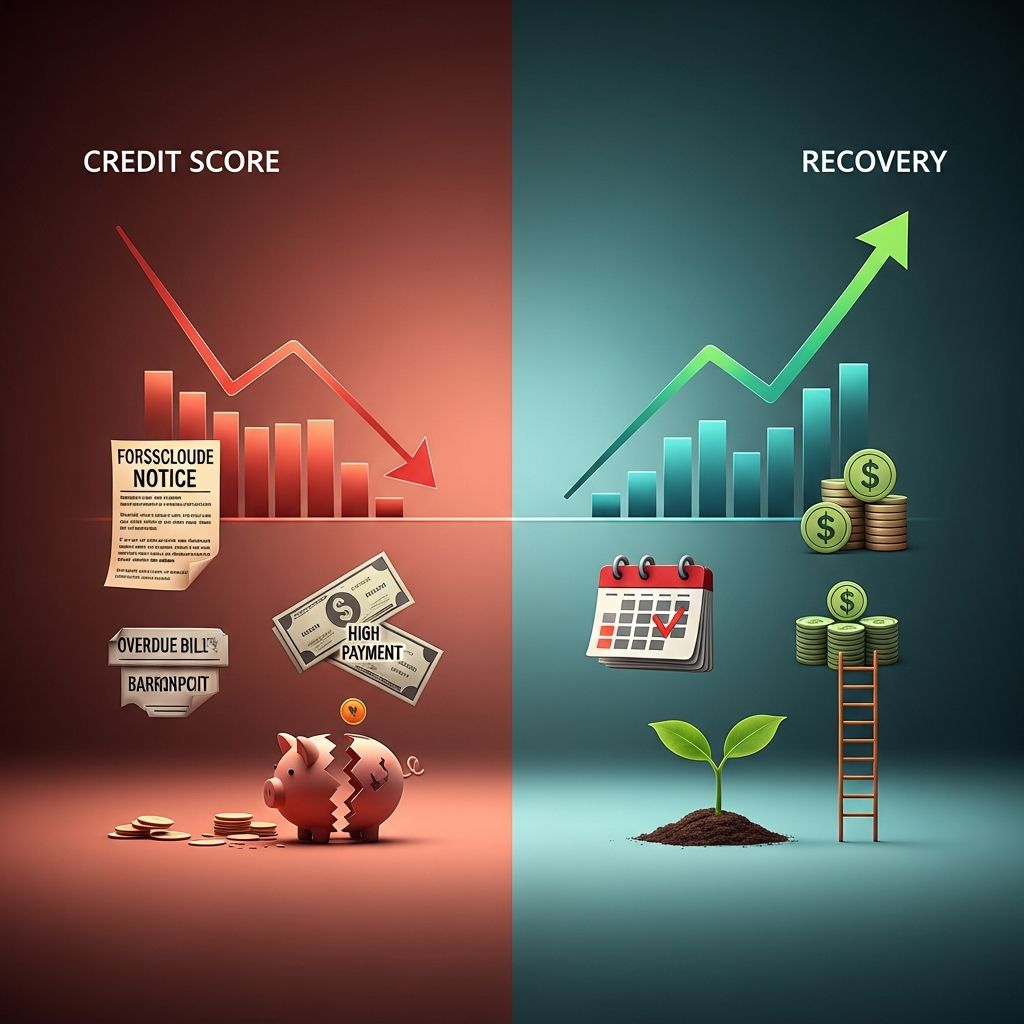
Your credit score serves as a critical measure of your financial reliability, influencing everything from loan approvals to interest rates. A sudden decline can feel alarming, but understanding the underlying factors and taking targeted actions can help you recover swiftly. This guide explores frequent triggers for score reductions and provides practical solutions grounded in established credit scoring principles.
Primary Factors Driving Credit Score Declines
Credit scores, such as FICO or VantageScore models, rely on multiple elements including payment reliability, debt levels, credit duration, new accounts, and account diversity. Disruptions in these areas often lead to drops. Here’s a breakdown of the most prevalent issues.
Delinquent or Missed Payments
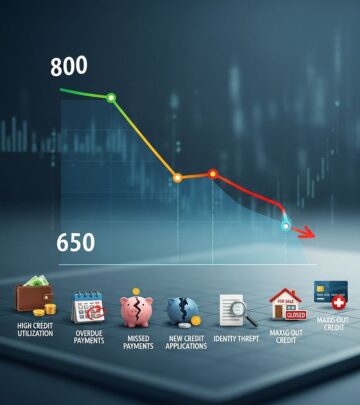
Payment history constitutes the largest portion—about 35%—of your FICO score calculation. Failing to pay bills on time signals risk to lenders. Creditors typically report delinquencies after 30 days, with impacts worsening as delays extend to 60 or 90 days. A single 30-day late payment can reduce scores by 60-110 points, depending on your prior standing.
For instance, if you overlook a credit card due date amid a busy month, that oversight gets noted by bureaus like Equifax, Experian, and TransUnion. Mortgage or auto loan lapses hit even harder due to their size and secured nature.
Elevated Credit Utilization Ratios
This factor, accounting for roughly 30% of your score, measures how much of your available credit you’re using. Exceeding 30% utilization often triggers declines, as it suggests overextension. If balances rise or limits shrink—say, from $10,000 to $6,000 while carrying $3,000—your ratio jumps from 30% to 50%, prompting a drop.
High utilization from seasonal spending or unexpected expenses compounds quickly, especially across multiple cards.
New Credit Inquiries and Account Openings
Applying for credit prompts hard inquiries, each potentially deducting 5-10 points. Multiple applications in a short period amplify this, while also shortening your average account age, which influences 15% of your score.
Opening several cards or loans signals desperation to lenders, eroding trust.
Closing Accounts Prematurely
Shutting down old cards reduces available credit, inflating utilization, and shortens credit history length. Even paid-off installment loans vanishing from your mix can disrupt balance.
Severe Negative Events
Derogatory notations like collections, charge-offs, repossessions, foreclosures, or bankruptcies cause steep falls—up to 200 points for bankruptcy, lingering 7-10 years. Tax liens or judgments add similar harm.
| Factor | Score Impact Range | Duration on Report |
|---|---|---|
| Late Payment (30 days) | 60-110 points | Up to 7 years |
| High Utilization (>30%) | 20-100 points | Ongoing until reduced |
| Hard Inquiry | 5-10 points | 2 years |
| Bankruptcy | 100-200 points | 10 years |
| Foreclosure | 100+ points | 7 years |
Diagnosing the Cause of Your Score Drop
To pinpoint issues, obtain free weekly reports from AnnualCreditReport.com, authorized by federal law. Compare across Equifax, Experian, and TransUnion for discrepancies.
- Check Payment Records: Verify dates against statements; grace periods exist but 30+ days report.
- Review Balances: Calculate utilization: (total balances / total limits) x 100.
- Scan Inquiries: Note recent applications; rate-shop mortgages/auto within 14-45 days to minimize hits.
- Examine History: Look for closed accounts or aged data falling off.
- Spot Errors: Inaccurate info like wrong personal details or unrecognized accounts affects 20% of reports.
Tools like credit monitoring services provide alerts for changes, helping catch issues early.
Immediate Actions to Stabilize Your Score
Act promptly to halt further decline.
- Prioritize Payments: Set autopay for minimums; contact creditors for hardship plans before 30 days.
- Lower Utilization: Pay down revolving debt; request limit increases on good-standing accounts.
- Freeze New Applications: Avoid until stabilized.
- Dispute Inaccuracies: Use bureau online portals; provide evidence like payment proofs. Resolutions take 30 days.
If identity theft is suspected—new accounts you didn’t open—place fraud alerts and freezes via Equifax.com/Personal/CreditReportServices.
Proven Strategies for Long-Term Recovery
Rebuilding demands consistency over months.
Establish Reliable Habits
On-time payments rebuild trust fastest. Use calendars or apps for reminders.
Optimize Debt Management
Aim for under 10% utilization ideally. Debt snowball or avalanche methods accelerate payoff.
Diversify Prudently
Maintain mix of revolving (cards) and installment (loans) without excess.
Boost History Length
Keep oldest accounts open, even unused, paying zero-balance statements.
Secured cards or credit-builder loans aid thin files, reporting positively.
Consistent positive behavior can raise scores 100+ points in 6-12 months for many.
Advanced Tactics for Faster Gains
- Authorized User Status: Join trusted family member’s seasoned card (notify issuer).
- Experian Boost: Scan bills for on-time utilities/phone to add positive data.
- Limit Updates: Request after 6 months good history.
Avoid quick-fix scams promising instant boosts.
Frequently Asked Questions
How long does a late payment affect my score?
Visible 7 years, but impact fades after 2 years with good habits.
Will paying off debt always improve my score?
Not instantly; mix changes can dip it short-term, but long-term benefits prevail.
Can I remove accurate negatives?
No, but goodwill letters to creditors occasionally succeed for one-offs.
What’s a good score range?
670-739 good; 740+ excellent per FICO.
How often check my score?
Monthly via free services; reports weekly.
Monitoring Progress and Prevention
Track via apps from bureaus. Prevent drops with budgets, emergency funds (3-6 months expenses), and annual report audits. Strong credit unlocks lower rates—saving thousands on mortgages.
Patience pays: Most recover fully within a year of disciplined efforts.
References
- Why Did My Credit Score Drop? 9 Likely Culprits — Dieterich Bank. 2023. https://www.dieterichbank.com/blog/why-did-my-credit-score-drop-9-likely-culprits/
- Why Did My Credit Score Drop? 11 Reasons — BECU. 2024-01-15. https://www.becu.org/blog/why-did-my-credit-score-drop
- Why Did My Credit Score Drop? 10 Common Reasons — Upstart Learn. 2024. https://www.upstart.com/learn/why-did-my-credit-score-drop/
- Why Did My Credit Score Drop? — Experian. 2025-02-10. https://www.experian.com/blogs/ask-experian/why-did-my-credit-score-drop/
- Why Did My Credit Score Drop for No Reason — Equifax. 2024-11-20. https://www.equifax.com/personal/education/loans/articles/-/learn/why-did-my-credit-score-drop/
- Why did my credit score drop — Achieve. 2023-09-05. https://www.achieve.com/learn/money-tips-education/why-did-my-credit-score-drop
Similar Articles








Read full bio of medha deb