Credit Score Damage: Understanding Financial Missteps
Learn the key financial behaviors that harm your credit and strategies to protect it.
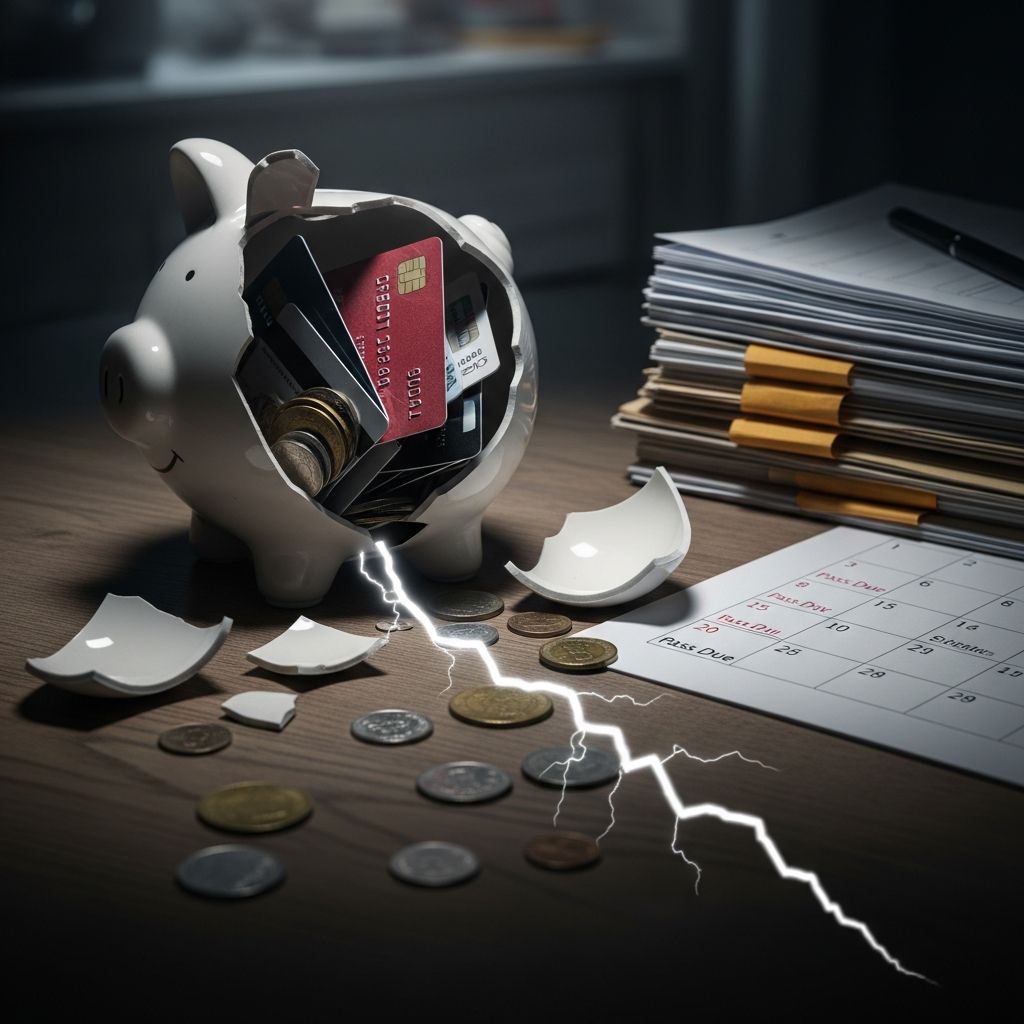
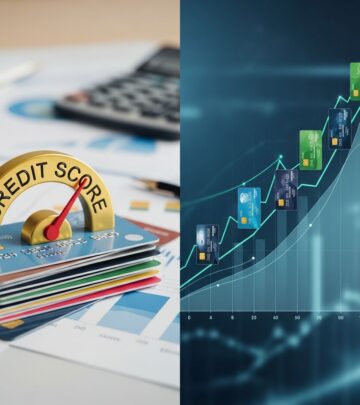
Your credit score serves as a financial report card that lenders, landlords, and creditors use to evaluate your trustworthiness. This three-digit number determines whether you’ll qualify for loans, what interest rates you’ll receive, and even influences rental applications. Understanding which behaviors harm your score is essential for maintaining financial health and preserving your access to credit opportunities.
The Foundation of Credit Scoring
Credit scores are built on five fundamental components that work together to create your overall rating. Payment history carries the most weight, accounting for 35% of your score and reflecting whether you’ve paid bills on time. Credit utilization makes up 30% and measures how much of your available credit you’re actively using. Credit history length contributes 15% to your score, rewarding you for maintaining accounts over extended periods. The remaining 20% comes from credit mix (10%) and new credit inquiries (10%), which evaluate the diversity of your credit types and recent credit-seeking behavior.
When you understand these components, you can identify which of your financial actions most significantly impact your score. A single misstep in the most heavily weighted category will cause greater damage than equivalent mistakes in lower-weighted areas.
Delaying Payments: The Most Damaging Mistake
Late payments represent the fastest way to damage your credit score because payment history is the primary factor in your rating. When you miss a payment deadline, creditors don’t immediately report it to the three major credit bureaus—Experian, Equifax, and TransUnion. Instead, they follow a reporting timeline:
- 30 days past due: First reporting to credit bureaus occurs
- 60 days past due: Additional negative mark is recorded
- 90 days past due: Account may be marked as delinquent
- 120+ days past due: Serious delinquency status is assigned
A single payment that reaches 30 days late will remain on your credit report for seven years, creating a persistent negative mark that affects your creditworthiness throughout that entire period. The longer a payment remains unpaid, the more severe the damage. Late payments of 60 to 90 days can reduce your score by 80-100 points, while accounts that deteriorate further into collections or default situations cause even more substantial score reductions.
To prevent late payments, set up automatic bill payments through your bank or creditor’s website. If you’re experiencing financial hardship, contact your creditor immediately to discuss payment arrangements or hardship programs that might help you avoid late payment reporting.
Overextending Your Available Credit
Credit utilization ratio—the percentage of your available credit limit that you’re currently using—significantly influences your credit score. This metric exists because lenders view high credit usage as a sign of financial stress or risky behavior. Creditors examine both your overall utilization across all accounts and your utilization on individual cards.
The calculation is straightforward: divide your total outstanding revolving credit balance by your total credit limits and multiply by 100. For example, if you have $15,000 in balances across cards with $50,000 in combined limits, your utilization ratio is 30%.
Experts recommend maintaining credit utilization below 30%, though staying under 10% provides optimal credit score benefits. Exceeding 30% signals to lenders that you’re becoming financially overextended, which triggers a credit score penalty. This is particularly damaging because credit utilization comprises 30% of your FICO score—the second-most influential component after payment history.
The counterintuitive aspect of credit utilization is that not using credit at all isn’t beneficial either. You need to demonstrate responsible credit usage by maintaining low balances, not by completely avoiding credit accounts. Consider paying down balances to below 30% of your limits, or requesting credit limit increases from your issuers to lower your utilization ratio without changing your spending habits.
Pursuing Multiple Credit Applications Rapidly
Each time you apply for new credit—whether it’s a credit card, auto loan, or mortgage—the lender initiates a hard inquiry into your credit report. Hard inquiries remain visible for two years, though they typically only affect your score for a few months. While a single hard inquiry usually decreases your score by five points or less, multiple hard inquiries in a short timeframe create compounding damage.
When you apply for multiple credit accounts simultaneously, lenders interpret this behavior as evidence that you’re financially overextended or desperate for credit. This triggers a more substantial score reduction than individual inquiries would cause. For example, applying for three travel credit cards within a few weeks might result in 15-point score reduction from the hard inquiries alone.
The silver lining is that credit scoring models treat multiple hard inquiries for the same type of credit within a 14- to 45-day window as a single inquiry. This means you can shop for mortgage rates or auto loans across multiple lenders without excessive damage if you complete applications within this timeframe.
To minimize damage, use prequalification tools that rely on soft inquiries instead of hard inquiries. Prequalification checks whether you’re likely to qualify for credit without affecting your score. Reserve hard inquiries for when you’re truly ready to complete an application.
Closing Credit Accounts
The impulse to close unused credit cards seems logical—why keep an open account you’re not using? However, closing accounts can trigger multiple negative effects on your credit score. First, closing an account immediately reduces your available credit, which increases your credit utilization ratio on remaining accounts. If you had $30,000 in balances across $100,000 in credit limits (30% utilization), closing a $20,000 limit account leaves you with $80,000 in limits, pushing your utilization to 37.5%.
Second, closing accounts affects your credit history length, which comprises 15% of your score. Credit history length is calculated based on the average age of all your accounts plus the age of your oldest and newest accounts. Closing older accounts can reduce this average age and hurt your score.
Finally, credit mix—having both revolving accounts (credit cards, lines of credit) and installment accounts (mortgages, auto loans, student loans)—makes up 10% of your score. Closing a credit card reduces your revolving credit mix and may lower this component of your score.
Rather than closing accounts, keep them open with minimal activity. Use them occasionally for small purchases that you pay off immediately, or set them aside exclusively for emergency purposes.
Cosigning Obligations and Collection Accounts
When you cosign a loan for someone else, you’re legally responsible for the full amount if the primary borrower defaults. More immediately damaging to your credit score, any late or missed payments on that loan appear on your credit report just as they would if you were the primary borrower. A single late payment from someone you cosigned for damages your credit for seven years.
Collections accounts represent a more severe version of this problem. When a debt becomes seriously delinquent—typically 90 days past due—creditors may send it to collections. Collection accounts stay on your credit report for up to seven years after the original delinquency date, and by the time an account reaches collections, multiple late payments have already damaged your score. The collection account then multiplies this damage by adding another negative mark to your credit history.
Before cosigning any loan, thoroughly evaluate the borrower’s financial reliability and investigate whether your state offers cosigner protections. After cosigning, monitor your credit report regularly to detect any payment issues early enough to bring the account current.
Debt Settlement and Credit Damage
Debt settlement, where companies negotiate with creditors to settle debts for less than the full amount owed, often appears as a solution to overwhelming debt. However, this approach creates substantial credit damage. The debt settlement process typically requires you to stop making payments while the company negotiates with creditors, resulting in multiple late payments that appear on your credit report. Even after successfully settling for a reduced amount, the notation that you didn’t repay the full debt appears on your credit report and signals to future lenders that you’re a poor credit risk.
The damage from debt settlement can rival the impact of bankruptcy while providing fewer legal protections.
Additional Factors That Erode Credit Value
Beyond the major credit-damaging behaviors, other financial events can negatively impact your score. Paying off an installment loan, while generally positive for your finances, can temporarily lower your score because it reduces your credit mix. Your available credit limits might be reduced by creditors as a risk management practice, which increases your credit utilization ratio. Identity theft and fraud create unexpected score drops when criminals open accounts or make late payments in your name.
Auto loan delinquencies and vehicle repossessions stay on your credit report for seven years and cause score drops of 100+ points. Short sales and foreclosures similarly result in massive score reductions of 100 points or more.
Creating Your Credit Protection Strategy
| Action to Avoid | Potential Score Impact | Duration on Report | Prevention Strategy |
|---|---|---|---|
| Late Payment (30 days) | 35% of score at risk | 7 years | Automatic payments |
| High Credit Utilization (over 30%) | 30% of score affected | Ongoing until reduced | Pay down balances |
| Hard Inquiry | 5-15 points per inquiry | 2 years reported, months of impact | Space out applications |
| Collections Account | Major score reduction | 7 years | Prevent late payments |
| Account Closure | Variable damage | Ongoing | Keep accounts open |
Protecting your credit score requires consistent, deliberate financial behavior. Monitor your credit report regularly through free services that allow you to check your reports from all three bureaus annually. Set up automatic payments for all bills to eliminate the risk of late payments. Keep credit card balances well below 30% of your limits, ideally under 10%. Space out credit applications and only apply when truly necessary. Maintain older accounts even if unused, and avoid cosigning obligations unless you’re prepared to assume full responsibility.
Frequently Asked Questions
How quickly does a late payment impact my credit score?
Creditors report late payments to credit bureaus typically around 30 days past due. Your score can drop immediately upon this reporting, though the exact impact depends on other factors in your credit profile.
Will paying off old debts improve my damaged credit?
Paying off old debts demonstrates positive financial behavior going forward, which helps improve your score over time. However, negative items like late payments and collections remain on your report for seven years regardless of whether you’ve paid them.
Can I recover from a damaged credit score?
Yes, credit scores are dynamic and improve as negative items age and as you establish positive payment history. Consistently making on-time payments and maintaining low credit utilization can gradually restore your score.
Does checking my own credit report hurt my score?
No, checking your own credit report creates a soft inquiry that doesn’t affect your score. Only hard inquiries from creditors evaluating your application for credit impact your score.
Taking Control of Your Financial Future
Your credit score isn’t permanently fixed by past mistakes. Instead, it reflects your recent and current financial behavior, with older negative items gradually losing their impact. By understanding which actions damage your score and implementing protective strategies, you can maintain healthy credit or gradually rebuild it if damage has already occurred. The most important step is consistent, on-time payment of all obligations combined with responsible management of your available credit limits.
References
- Actions That Can Lower Your Credit Score — Experian. 2024. https://www.experian.com/blogs/ask-experian/actions-that-can-lower-your-credit-score/
- Why Did My Credit Score Drop? 11 Reasons — BECU. 2024. https://www.becu.org/blog/why-did-my-credit-score-drop
- Why Did My Credit Scores Go Down? Reasons and Tips to Boost Your Credit Score — Lending Club. 2024. https://www.lendingclub.com/resource-center/personal-finance/why-did-my-credit-score-drop-and-reasons-and-tips-to-boost-your-credit-score
- Understanding Your Credit — Federal Trade Commission Consumer Advice. 2024. https://consumer.ftc.gov/articles/understanding-your-credit
- How Will a Lowered Credit Limit Affect My Credit Scores? — Equifax. 2024. https://www.equifax.com/personal/education/credit/score/articles/-/learn/lowered-credit-limit-credit-scores/
Similar Articles








Read full bio of medha deb