Credit Score Calculation Guide
Unlock the secrets behind your three-digit credit score and learn actionable steps to boost it effectively.

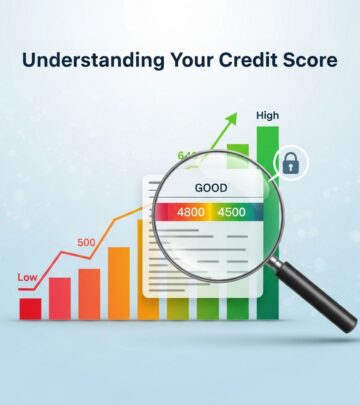
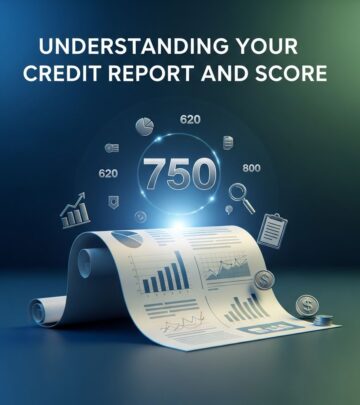
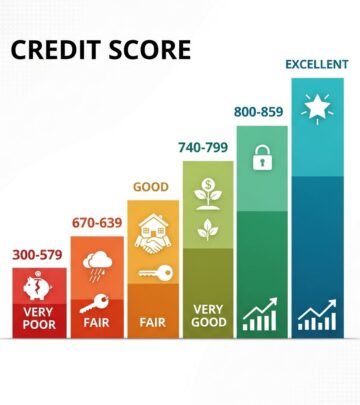
Your credit score is a vital number ranging from 300 to 850 that lenders use to gauge your creditworthiness. It directly influences interest rates on loans, credit card approvals, and even rental applications. Understanding its calculation empowers you to take control of your financial future.
Understanding the Basics of Credit Scoring Models
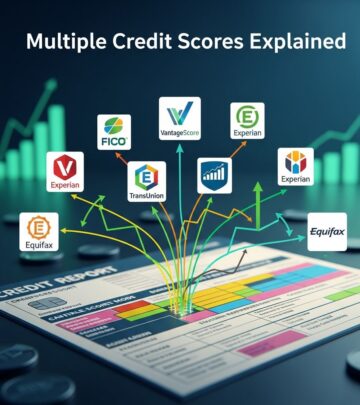
Credit scores are generated by models like FICO and VantageScore, which analyze data from your credit reports provided by bureaus such as Equifax, Experian, and TransUnion. These models weigh different aspects of your credit behavior to produce a snapshot of reliability.
FICO, the most widely used, categorizes data into five main components with fixed percentage weights. VantageScore uses a similar approach but may adjust emphases slightly. Both exclude factors like income, employment, or demographics such as race, sex, or age to comply with fair lending laws.
The Top Factor: Payment History at 35%
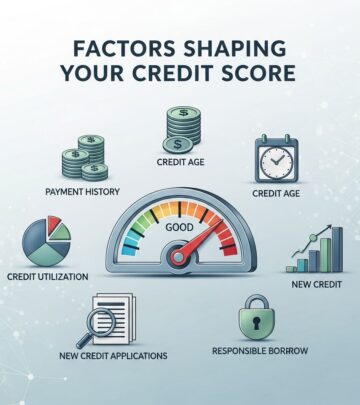
Payment history holds the largest influence at 35% of your FICO score. It tracks whether you pay bills on time across all accounts, including credit cards, loans, and lines of credit.
- On-time payments build a positive record, signaling dependability to lenders.
- Late payments, defaults, collections, bankruptcies, or judgments create negative marks that can linger for 7-10 years.
- Recency matters: Recent delinquencies hurt more than older ones.
Only accounts reporting to credit bureaus count—typically credit cards, mortgages, auto loans, and personal loans. Utilities or rent rarely appear unless sent to collections.
Managing Debt Levels: Amounts Owed (30%)
This category, weighted at 30%, examines total debt and credit utilization—the ratio of balances to limits on revolving accounts like credit cards.
Key metrics include:
- Total balances across all accounts.
- Utilization ratio: Aim for under 30%; top scores keep it below 10%.
- Number of accounts with balances.
High utilization suggests over-reliance on credit, raising red flags. Pay down balances before statement closing dates to report lower usage.
Building a Strong Foundation: Length of Credit History (15%)
Accounting for 15%, this factor measures your experience managing credit. Longer histories demonstrate sustained responsibility.
- Average age of accounts.
- Age of oldest account: Retain old accounts even if unused.
- Age of newest account and active accounts.
New users start with lower scores due to limited data. Events like bankruptcy reset history until negative marks age off.
Diversifying Your Portfolio: Credit Mix (10%)
Credit mix contributes 10% and rewards variety in account types: revolving (credit cards, lines of credit) and installment (auto loans, mortgages, student loans).
A balanced mix shows versatility in handling different debts. However, don’t open accounts solely for mix—other factors outweigh this.
| Credit Type | Examples | Impact on Mix |
|---|---|---|
| Revolving | Credit cards, HELOCs | Flexible borrowing up to limit |
| Installment | Auto, personal, student loans | Fixed payments over time |
New Credit Activity: The Remaining 10%
New credit, at 10%, evaluates recent applications and openings. Multiple inquiries signal risk, especially if clustered.
- Hard inquiries (applications) ding scores temporarily (up to 2 years).
- Soft inquiries (pre-approvals) don’t affect scores.
- Too many new accounts suggest instability.
Space out applications and manage new accounts well to mitigate negatives.
FICO vs. VantageScore: Key Differences
While both use similar factors, differences exist:
| Aspect | FICO | VantageScore |
|---|---|---|
| Range | 300-850 | 300-850 |
| Weights | Fixed percentages | |
| Trended data | Limited | More emphasis on payment trends |
| Inquiries | Counts each | Groups rate shopping |
FICO dominates lending; VantageScore is gaining traction for its adaptability.
Practical Strategies to Elevate Your Score
Improving your score requires consistent habits:
- Pay on time always: Set autopay for minimums.
- Reduce utilization: Request limit increases or pay aggressively.
- Keep old accounts open: Avoid closing paid-off cards.
- Limit applications
- Dispute errors: Review reports annually at AnnualCreditReport.com.
: Use pre-qualifications.
Positive changes appear in 1-2 months, but rebuilding takes time.
Common Myths and Realities
- Myth: Closing cards boosts scores. Reality: It raises utilization.
- Myth: Carrying small balances helps. Reality: Full payoff is best.
- Myth: Scores are identical across bureaus. Reality: Variations occur due to different data.
FAQs
How often are credit scores updated?
Scores update when creditors report data, typically monthly.
Does checking my own score hurt it?
No, self-checks are soft inquiries.
Can I have a score without credit history?
Yes, some models offer starter scores; build with secured cards.
How long do negatives stay?
Most 7 years; Chapter 7 bankruptcy 10 years.
What’s considered a good score?
670-739 good; 740+ excellent for best rates.
Monitoring and Tools for Success
Regular checks via free weekly reports or paid services help track progress. Apps provide alerts for changes.
Authorized user status on a strong account can help newcomers, but ensure the primary user is responsible.
References
- How to Calculate Your Credit Score – 5 Key Factors Explained — NoMoreDebts.org. 2023. https://nomoredebts.org/blog/credit-scores-ratings/how-is-your-credit-score-calculated
- How is your credit score calculated-and what does it mean? — Fidelity. 2024-01-15. https://www.fidelity.com/learning-center/smart-money/how-is-credit-score-calculated
- How Is Credit Score Calculated? — Hancock Whitney Bank. 2023-05-10. https://www.hancockwhitney.com/insights/how-is-credit-score-calculated
- How are FICO Scores Calculated? — myFICO. 2025-02-20. https://www.myfico.com/credit-education/whats-in-your-credit-score
- How is Your Credit Score Calculated? — Discover. 2024. https://www.discover.com/credit-cards/card-smarts/how-is-credit-score-calculated/
- What Affects Your Credit Scores? — Experian. 2025-03-01. https://www.experian.com/blogs/ask-experian/credit-education/score-basics/what-affects-your-credit-scores/
- Demystifying Credit Scores — Newton Federal. 2023-11-12. https://newtonfederal.com/demystifying-credit-scores/
Similar Articles








Read full bio of medha deb