Credit Score Apps: Safe or Risky?
Explore the security, privacy risks, and hidden costs of popular credit score apps to make informed decisions about monitoring your financial health.

Credit score apps provide convenient, on-demand access to your financial profile, helping users monitor their credit health anytime. However, these tools often involve trade-offs like data collection, promotional pushes, and varying score accuracy, raising questions about their overall safety.
Understanding Credit Score Apps and Their Appeal
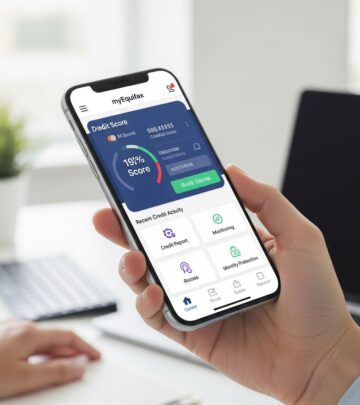
These mobile applications connect to major credit bureaus to deliver real-time scores, alerts for changes, and tips for improvement. Popular options include services from Credit Karma, Credit Sesame, Experian, myFICO, and TransUnion, attracting millions with free basic access. Users appreciate the 24/7 monitoring that flags potential identity theft or errors early.
Despite the convenience, not all apps use the FICO scores lenders rely on; many provide VantageScore or proprietary models, which can differ significantly and mislead users about their borrowing power. This discrepancy means what you see might not match what a bank evaluates.
Core Security Features in Reputable Apps
Legitimate apps from banks or bureaus employ robust protections. They use 128-bit encryption for data transmission, comply with PCI Security Standards Council (PCI SSC) guidelines for payment handling, and often include app-specific locks like four-digit passcodes.
These standards mandate firewalls, session timeouts during suspicious activity, and remote disablement if breached. App stores vet software for integrity, reducing malware risks from downloads. Still, no system is impervious—public Wi-Fi or outdated software can expose vulnerabilities.
Privacy Concerns: Data Collection and Sharing
A major drawback is extensive data harvesting. Apps gather personal details beyond basics, building profiles for targeted marketing. Consumer Reports analysis of five leading apps revealed all collect substantial private info and share it beyond disclosed parties, heightening breach risks given past incidents at bureaus.
- Apps track spending habits, location, and linked accounts to personalize ads.
- Data fuels partnerships where your info is sold to lenders or marketers.
- Privacy policies often bury these practices, leaving users uninformed.
While companies claim opt-in sharing, fine print reveals broad consents. Tools like Consumer Reports’ Permission Slip app help revoke data sales permissions.
Financial Risks: Hidden Costs and Questionable Promotions
Free tiers lure users, but monetization relies on upsells. Four of five examined apps push credit products as ‘personalized advice,’ earning commissions on sign-ups—prioritizing high-payout deals over user benefit.
| App Type | Common Promotions | Potential Cost |
|---|---|---|
| Free Monitoring | Credit cards, loans | High-interest offers |
| Paid Upgrades | Full reports, identity theft insurance | $10–$30/month |
| Premium Scores | FICO access | $20–$50 one-time |
Users report constant notifications urging debt increases rather than reduction strategies. Arbitration clauses in terms further limit recourse, blocking class-action lawsuits.
Identifying Scams and Fraudulent Apps
Not all apps are equal—scammers mimic legit ones via phishing emails or fake stores. Red flags include unsolicited offers demanding payment upfront or Social Security numbers without verification.
- Avoid apps requiring credit card details for ‘free’ scores.
- Stick to official bureau apps or bank-integrated tools.
- Verify via app store reviews and bureau websites.
Public networks amplify risks; hackers intercept data on open Wi-Fi, and tainted charging stations inject malware.
Best Practices for Safe Usage
To minimize dangers:
- Research Providers: Choose apps from trusted sources like Experian or your bank.
- Limit Permissions: Grant minimal access; review and revoke periodically.
- Enable Security: Use passcodes, biometric locks, and update apps promptly.
- Monitor Actively: Cross-check scores with free weekly reports from AnnualCreditReport.com.
- Opt Out: Use privacy tools to halt data sharing.
Consider alternatives like direct bureau portals for ad-free access, especially with legislative pushes for free, unlimited scores.
Regulatory Landscape and Consumer Protections
Consumer Reports advocates for reforms via the Comprehensive Credit Act and Protecting Your Credit Score Act, aiming for free lender-used scores and secure portals. National privacy laws could enforce stricter data practices and ban forced arbitration.
Current PCI standards provide a baseline, but gaps persist in app-specific oversight. Stay vigilant as policies evolve.
Comparing Top Credit Score Apps
| App | Score Model | Free Tier | Key Risks |
|---|---|---|---|
| Credit Karma | VantageScore | Yes | Data sharing, promotions |
| Credit Sesame | FICO (partial) | Yes | Marketing pushes |
| Experian | VantageScore/FICO | Basic | Upsells |
| myFICO | FICO | Limited | Paid focus |
| TransUnion | VantageScore | Yes | Arbitration |
Frequently Asked Questions (FAQs)
Are credit score apps really free?
Basic access often is, but expect ads and paid upgrades for full features.
Do apps show the same score as lenders?
Rarely—most use non-FICO models; confirm with official reports.
Can apps detect identity theft?
They alert changes, but verify via bureaus for accuracy.
Is it safe to link bank accounts?
With PCI compliance, yes—but limit to read-only where possible.
How to remove my data from an app?
Delete account and use opt-out tools like Permission Slip.
Alternatives to Third-Party Apps
Opt for official channels:
- Weekly free reports from AnnualCreditReport.com.
- Bank dashboards for integrated monitoring.
- Bureau-direct apps minimizing third-party shares.
These reduce privacy exposure while providing reliable data.
The Future of Credit Monitoring
As cyber threats grow, apps must prioritize transparency. Users benefit from empowered choices, balancing convenience against risks. Legislative changes could standardize free access, diminishing app dependencies.
In summary, while useful, approach credit score apps cautiously—prioritize security, question promotions, and know your rights.
References
- CR finds credit score apps can come with hidden costs & risks — Consumer Reports. 2023-10-10. https://advocacy.consumerreports.org/press_release/cr-finds-credit-score-apps-can-come-with-hidden-costs-risks-unreliable-scores-unnecessary-charges-privacy-risks-questionable-promotions/
- New Credit Score Android App Works Well but Raises Privacy Concerns — CIO.com. 2012-11-15. https://www.cio.com/article/298855/android-os-new-credit-score-android-app-works-well-but-raises-privacy-concerns.html
- Are Credit Score Apps Safe to Use? — Experian. 2024-05-20. https://www.experian.com/blogs/ask-experian/are-credit-score-apps-safe-to-use/
- Is It Safe To Give An App My Credit Card Information? — Bankrate. 2024-08-12. https://www.bankrate.com/credit-cards/advice/giving-credit-card-info-to-an-app/
- The Downsides of Credit Score Apps — Consumers Credit Union. 2023-11-05. https://www.consumerscu.org/blog/the-downsides-of-credit-score-apps
- Finance apps can be great for budgeting. But, beware hungry hackers — Kaufman Rossin. 2024-02-14. https://es.kaufmanrossin.com/news/finance-apps-can-be-great-for-budgeting-but-beware-hungry-hackers/
Similar Articles








Read full bio of Sneha Tete