Credit Report Update Timelines: What To Expect
Discover the real timing behind credit report updates and how they influence your financial profile effectively.

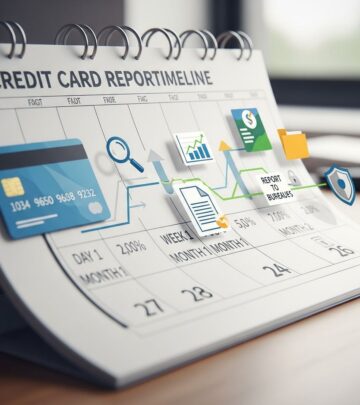
Your credit report serves as a dynamic snapshot of your financial behavior, constantly evolving as new data arrives from creditors. Unlike a static document, it refreshes periodically based on when lenders submit information to the major credit bureaus: Equifax, Experian, and TransUnion. Understanding these timelines empowers you to anticipate changes, track progress, and make informed decisions about loans, credit cards, and more.
The Mechanics of Credit Data Flow
At the heart of credit reporting lies a collaborative process between lenders and bureaus. Creditors, such as banks and credit card issuers, gather details on your accounts—including balances, payments, and status—before forwarding them to the bureaus. This isn’t instantaneous; it follows specific schedules tied to billing cycles.
Most lenders report monthly, often aligning with your statement closing date. For instance, credit card companies typically batch data around this period, sending snapshots of your activity up to that point. However, not all creditors sync perfectly: some large issuers process in batches throughout the month, while others might skip certain bureaus altogether. This variability means your report at one bureau could differ slightly from another.
- Monthly reporting norm: Balances and payments reflect statement dates, usually updating within 30-45 days.
- Batch variations: High-volume lenders may report multiple times monthly, accelerating changes.
- Bureau selectivity: A creditor might furnish data to one or two bureaus only, creating discrepancies.
Once received, bureaus process this influx daily, potentially altering your report multiple times a day if fresh data arrives. Yet, your credit score—derived from this report—recalculates only upon request, ensuring the latest available information is used.
Factors Influencing Update Frequency
Several elements dictate how often and quickly your credit report refreshes. Lender policies play a pivotal role: while monthly is standard, frequency can ramp up with daily or weekly submitters. Your personal activity also matters—new accounts, payments, or inquiries trigger faster ripples.
| Factor | Typical Timeline | Impact on Report |
|---|---|---|
| Payment Activity | 1-7 days post-statement | Quickly lowers utilization if paid early |
| New Account Opening | 1-2 billing cycles | Adds tradeline, may ding inquiry score |
| Public Records (e.g., liens) | 60-90 days | Slower integration, long-term effects |
| Late Payments | 30-45 days | Persists 7 years, fading impact over time |
Consider credit utilization: paying down balances right after reporting might delay score benefits until the next cycle. Conversely, timely actions before the statement date can yield prompt improvements. External events like bankruptcies linger longer—up to 10 years—underscoring the need for proactive management.
Dissecting Credit Score Refresh Cycles
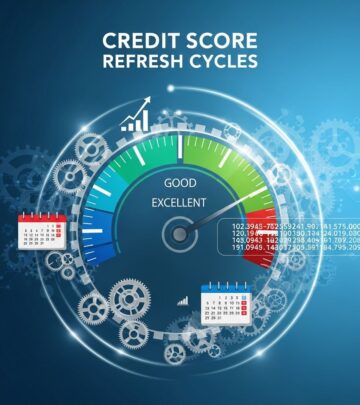
Credit scores aren’t set in stone; they fluctuate with report changes. VantageScore or FICO models pull current data each time pulled, so daily shifts are possible if bureaus receive ongoing updates. However, consumer-facing scores from monitoring services often refresh weekly or monthly.
Free tools from bureaus like Equifax’s Core Credit or lender portals provide periodic views, but true dynamism shines in real-time pulls during applications. Nav reports scores can evolve anytime new info hits, likening it to a business’s cash flow—ever-shifting with transactions.
- Creditor submits data post-billing cycle.
- Bureau integrates, potentially daily.
- Score computes on-demand, reflecting freshest snapshot.
This on-request nature means proactive checking reveals variances. Services vary: some update weekly, others monthly, so cross-reference for accuracy.
Navigating Delays and Discrepancies
Expect lags—most updates land within 30-45 days, per major bureaus. Credit card balances zip through fastest, often within a week of statement close. New accounts lag, needing full cycles to mature.
Bureau differences amplify confusion: one might show a paid balance immediately, another weeks later. Public records crawl slowest, taking months. Late payments, though fading over seven years, embed quickly, urging vigilance.
To mitigate: time payments pre-statement, monitor via multiple sources, and dispute errors promptly. Rapid re-scores, lender-requested from bureaus, expedite for mortgage or auto applications.
Practical Steps to Monitor and Optimize
Staying ahead requires consistent oversight. Check reports weekly via free annualcreditreport.com pulls or daily apps from issuers. Track trends monthly for patterns like utilization spikes.
- Increase limits strategically: Lowers utilization ratio without added spending.
- Add authorized user status: Piggybacks positive history from trusted accounts.
- Scrub inaccuracies: Dispute via bureau portals; processes vary slightly.
- Leverage rapid re-score: For urgent needs, ask lenders to pull fresh data.
Building credit demands patience—substantial lifts stem from sustained habits, not one-offs. Aim for under 30% utilization, on-time payments, and diverse history.
Long-Term Impacts of Negative Marks
Adverse items cast long shadows. Late payments haunt for seven years, though severity wanes. Bankruptcies endure a decade. Rebuilding involves consistent positives: extra-minimum payments erode principal, bolstering scores gradually.
Monitor for unauthorized inquiries or fraud, which can mimic negatives. Regular reviews catch these, preserving your profile.
Frequently Asked Questions
How soon after paying a bill does my score update?
Typically 30-45 days, tied to the next reporting cycle. Pay before statement close for faster reflection.
Do all bureaus update simultaneously?
No—lenders choose which to report to, causing variances. Check all three regularly.
Can I force a faster update?
Yes, via rapid re-score through lenders for specific pulls.
Why does my score drop after paying debt?
Timing: if post-reporting, wait next cycle. Utilization alone doesn’t guarantee rises.
Is weekly score checking accurate?
Services approximate; official pulls use latest data on request.
Advanced Strategies for Credit Builders
For those rebuilding, layer tactics: secure cards report like primes, building history sans risk. Credit-builder loans reverse-amortize, favoring payments over draws. Diversify with retail cards cautiously, avoiding overextension.
Utilization mastery: aggregate across cards under 10% ideal, 30% safe. Mix revolving and installment for robust profiles. Aged accounts appreciate value—preserve oldies.
Tech aids: apps alert changes, simulating real-time oversight. Pair with budgeting for holistic finance.
References
- How Often Does Your Credit Score Update? — Equifax. 2024. https://www.equifax.com/personal/education/credit/score/articles/-/learn/how-often-does-your-credit-score-update/
- How Often is Your Credit Score Updated? — Chase. 2024. https://www.chase.com/personal/credit-cards/education/credit-score/how-often-is-credit-score-updated
- When do credit card companies report to credit bureaus? — Credit Karma. 2024. https://www.creditkarma.com/credit-cards/i/credit-card-companies-report-credit-bureaus
- Understanding Credit Reports — myFICO. 2024. https://www.myfico.com/credit-education/credit-reports
- How often does my credit score change? — Nav. 2024. https://www.nav.com/resource/how-often-credit-scores-change/
Similar Articles








Read full bio of medha deb