Credit Report Timelines: When Info Drops Off
Discover exactly how long negative marks like late payments, collections, and bankruptcies linger on your credit report and strategies to recover faster.

Your credit report serves as a financial snapshot, recording payment behaviors, debts, and major events that influence lenders’ decisions. Understanding the duration each piece of information stays listed helps you plan recovery and maintain strong credit profiles across bureaus like Equifax, Experian, and TransUnion. Governed by the Fair Credit Reporting Act (FCRA), these timelines ensure transparency while protecting consumers from indefinite penalties.
Understanding Negative Marks and Their Impact
Negative entries signal risk to potential creditors, often lowering scores significantly upon appearance. These include delinquencies, collections, foreclosures, and bankruptcies. Their presence affects loan approvals, interest rates, and even rental applications. Fortunately, federal law caps reporting periods, starting from specific trigger dates like the first missed payment.
- Initial Hit: Scores drop most sharply right after reporting.
- Diminishing Effect: Influence wanes over time, especially with positive habits.
- Multi-Bureau Variation: Check all three reports as not all update simultaneously.
Standard 7-Year Timeline for Most Negative Items
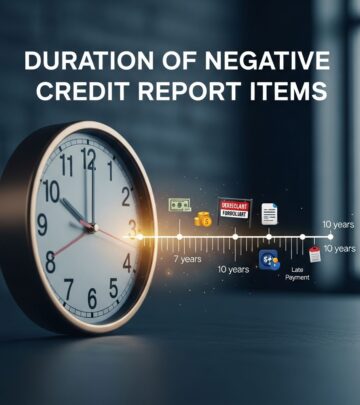
The majority of adverse notations expire after seven years, measured from the original delinquency date—the first instance of 30+ days late payment. This applies regardless of later resolutions like settlements.
| Negative Item | Duration | Start Date |
|---|---|---|
| Late Payments (30-90+ days) | 7 years | First delinquency |
| Collections Accounts | 7 years | Original missed payment |
| Charge-Offs | 7 years | First delinquency |
| Defaults | 7 years | 90-day delinquency |
For instance, a 60-day late payment noted in 2020 vanishes by 2027, freeing up your report for better opportunities.
Foreclosures, Repossessions, and Judgments
Property-related setbacks like foreclosures follow the same seven-year rule from delinquency onset. Lenders initiate processes after 90-120 days unpaid, but the clock starts earlier. Repossessions, where collateral like vehicles is seized, also adhere to this timeline. Civil judgments and tax liens, once common, now face restrictions—most drop off after seven years.
- Foreclosure: Triggers post-multiple missed mortgage payments; full process may take months but reports from first late.
- Repossession: 7 years from delinquency; voluntary returns treated similarly.
- Judgments: Limited to 7 years; paid judgments often removed sooner upon update.
Bankruptcies: The 10-Year Exception
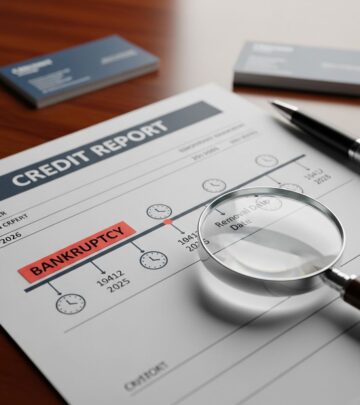
Bankruptcies stand out with extended visibility. Chapter 7 (liquidation) persists for 10 years from filing date, reflecting total debt discharge. Chapter 13 (reorganization) shortens to 7 years upon completion. These entries heavily weigh on scores but fade predictably.
Key Differences:
- Chapter 7: 10 years—full wipeout of unsecured debts.
- Chapter 13: 7 years post-discharge—repayment plan success.
- Impact: Prevents new credit initially; rebuild via secured cards.
Positive Information: Building Long-Term Strength
Unlike negatives, beneficial data endures longer, bolstering profiles. On-time payments and closed positive accounts stay at least 10 years; open good-standing accounts indefinitely. This lengthens credit history, a major FICO factor.
| Positive Item | Duration |
|---|---|
| Open Accounts (Good Standing) | Indefinite |
| Closed Positive Accounts | 10 years from closure |
| Hard Inquiries | 2 years (score impact 1 year) |
Inquiries: Hard vs. Soft and Their Lifespan
Hard inquiries from applications ding scores temporarily (up to 1 year impact, visible 2 years). Soft pulls for pre-approvals or checks don’t affect scores and aren’t shared with lenders.
Strategy: Space applications to minimize cumulative hits.
Factors Influencing Removal Timing
Timelines are fixed by FCRA, but practical removal varies:
- Bureau Updates: Creditors report monthly; deletions occur during cycles.
- Disputes: Errors drop faster via online challenges.
- Goodwill Requests: Politely ask creditors for late payment removals, especially one-offs.
Monitor via annualcreditreport.com for free weekly access.
Strategies to Accelerate Credit Recovery
While waiting out timelines, proactive steps mitigate damage:
- Dispute Inaccuracies: 1 in 5 reports has errors; correct promptly.
- Build Positive History: Secured cards, authorized user status.
- Reduce Utilization: Keep balances under 30%.
- Time Major Moves: Apply post-drop-off for best rates.
Impact lessens naturally; a single late payment after 3-4 years barely registers if habits improve.
Legal Framework: FCRA Protections
The FCRA mandates accuracy and timeliness. Bureaus must delete outdated info automatically. Violations allow lawsuits; consumers can sue for damages.
State variations exist, but federal rules dominate.
Common Myths About Credit Report Lifespans
- Myth: Paying off collections removes them. Fact: Timeline starts from delinquency.
- Myth: Bankruptcies erase prior debts instantly. Fact: Individual marks may linger 7 years.
- Myth: Scores reset to zero post-drop-off. Fact: History persists via positives.
Frequently Asked Questions (FAQs)
How do I check when items will drop off?
Review report dates; add 7/10 years accordingly. Tools like FICO simulators estimate.
Can I remove accurate negative info early?
Rarely, via goodwill letters or pay-for-delete (uncommon, risky).
Do all bureaus show the same timelines?
Usually, but creditor reporting varies; pull all three.
What if info is past due date but still shows?
Dispute immediately; bureaus must investigate within 30 days.
Does settling debt shorten timelines?
No; clock runs from original delinquency.
Monitoring Tools and Best Practices
Subscribe to alerts from Credit Karma or official sites. Annual pulls insufficient—monthly checks catch issues early. Post-drop-off, celebrate with rate checks for refinancing.
Rebuilding demands consistency: Automate payments, diversify credit mix. Within 1-2 years, scores rebound substantially despite lingering marks.
References
- How Long Does Negative Info Stay on Credit Reports? — myFICO. 2023. https://www.myfico.com/credit-education/faq/negative-reasons/how-long-negative-information-remain-on-credit-report
- How Long Can Negative Items Stay on Your Credit Report? — Experian. 2024-01-15. https://www.experian.com/blogs/ask-experian/how-long-can-negative-items-stay-on-your-credit-report/
- How Long Does Negative Information Stay on Your Credit Report? — SoFi. 2024. https://www.sofi.com/learn/content/how-long-does-negative-information-stay-on-your-credit-report/
- How long can negative information stay on my credit report? — HelpWithMyBank.gov (CFPB). 2023-05-10. https://www.helpwithmybank.gov/help-topics/debt-credit-scores/credit-scores-reports/credit-reports/credit-report-how-long.html
- How Long Does Negative Information Stay on Your Credit Report? — Fortera Credit Union. 2023. https://forteracu.com/blog/how-long-does-negative-information-stay-on-your-credit-report
- How Long Does Information Stay on my Equifax Credit Report? — Equifax. 2024. https://www.equifax.com/personal/education/credit/report/articles/-/learn/how-long-does-information-stay-on-credit-report/
Similar Articles








Read full bio of Sneha Tete