Credit Rebuild Timeline
Discover realistic timelines and proven strategies to restore your credit score after financial setbacks for better financial opportunities.
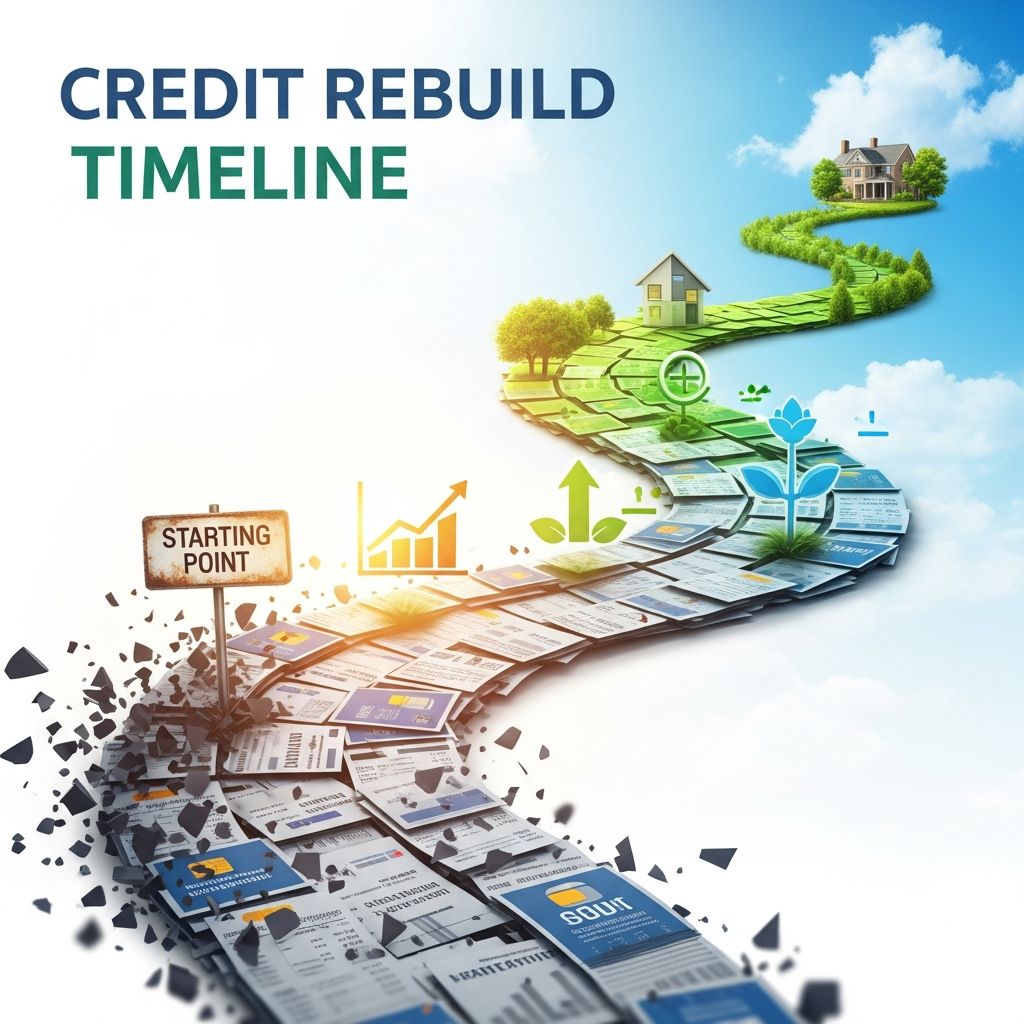
Restoring a damaged credit score requires patience, consistent effort, and strategic actions. While no universal timeline exists, most individuals notice improvements within 3-6 months of positive behavior, with substantial gains possible in 12-24 months.
Understanding the Factors That Shape Your Recovery Speed
Your credit rebuild journey depends on several core elements. Payment history, which accounts for 35% of your FICO score, is paramount—timely payments signal reliability to lenders. Credit utilization, ideally under 30%, impacts 30% of your score; keeping balances low accelerates progress.
Length of credit history (15%) and new credit inquiries (10%) also play roles. Negative marks like delinquencies linger for seven years, Chapter 7 bankruptcy for 10 years, and inquiries for two years, but their influence fades over time as positive data accumulates.
- Starting Point: Severe damage (e.g., bankruptcy) slows recovery compared to minor issues like a single late payment.
- Consistency: On-time payments and low utilization build momentum quickly.
- Account Mix: A blend of credit types (cards, loans) strengthens your profile over time.
Realistic Expectations: Timelines for Different Scenarios
Timelines vary by situation. For first-time builders, a basic score emerges in 3-6 months; good scores (670-739) may take 6-12 months. Post-missed payments, expect 12-24 months to reach fair credit with diligent habits.
| Scenario | Initial Improvement | Good Credit Milestone | Key Challenges |
|---|---|---|---|
| New Credit History | 3-6 months | 6-12 months | No prior data |
| Late Payments/Delinq. | 3-6 months | 12-24 months | 7-year mark lingers |
| Bankruptcy (Ch.7) | 6-12 months | 2-5 years | 10-year report presence |
| High Utilization | 1-3 months | 6-12 months | Debt payoff required |
These estimates assume flawless execution. Negative items’ impact diminishes; a five-year-old delinquency hurts less than a recent one.
Step-by-Step Blueprint to Accelerate Credit Improvement
Begin by obtaining free weekly reports from AnnualCreditReport.com (Equifax, Experian, TransUnion) to identify errors. Dispute inaccuracies promptly—resolution takes 30-45 days.
- Stabilize Finances: Create a budget, prioritize essentials, and pay bills on time via autopay.
- Reduce Utilization: Pay down balances; aim for <30% ratio.
- Add Positive Accounts: Use secured cards (deposit equals limit) for responsible use.
- Diversify Credit: Consider credit-builder loans or authorized user status on trusted accounts.
- Limit Applications: Space inquiries to avoid dings.
Debt management plans take 3-5 years but stabilize scores during repayment. Post-bankruptcy, secured cards and counseling aid recovery without waiting full 7-10 years.
Powerful Tools and Products for Faster Progress
Secured credit cards are game-changers for those with poor/no history. Deposit $200-500 to set your limit; timely payments report positively. Credit-builder loans, offered by some banks, hold funds in savings while you make “payments” that build history.
Become an authorized user on a family member’s excellent account—their history boosts yours instantly, if reported. Monitor progress with free tools from banks or apps, checking scores monthly.
Overcoming Common Roadblocks in Credit Recovery
Many falter by ignoring reports or chasing quick fixes. Avoid debt settlement traps that extend negatives. Patience is key—rebuilding is a marathon, not a sprint.
Post-bankruptcy, lenders view you as high-risk initially, but consistent habits prove otherwise within months. If overwhelmed, consult nonprofit counselors via NFCC.org, not for-profit repair firms promising miracles.
Long-Term Habits for Sustained Credit Health
Beyond recovery, maintain excellence: pay in full monthly, retain old accounts for history length, and review reports annually. Excellent scores (800+) take 5-10 years but unlock prime rates.
- Automate payments to eliminate lates.
- Keep utilization dynamic—pay mid-cycle if needed.
- Build emergency fund to prevent future slips.
Frequently Asked Questions
How soon can I see credit score changes?
Typically 3-6 months with positive actions, as bureaus update monthly.
Does bankruptcy ruin credit forever?
No; it stays 7-10 years, but rebuilding starts immediately with new positive history.
Are secured cards effective?
Yes; they mimic regular cards, reporting payments to build history responsibly.
What’s the fastest way to boost utilization?
Pay down balances aggressively; even partial payments mid-month help.
Can I rebuild while in debt management?
Progress is slower (3-5 years), but on-time plan payments aid recovery.
Rebuilding credit transforms financial access—from loans to rentals. Commit today; rewards compound over time.
References
- How Long Does It Take To Rebuild Credit? — debt.org. 2023. https://www.debt.org/credit/
- How Long Does It Take to Build Credit? What to Expect — Remitly. 2024-05-15. https://www.remitly.com/blog/finance/how-long-does-it-take-to-build-credit/
- The time it takes to rebuild credit — Desert Financial. 2024. https://www.desertfinancial.com/en/learn/blog/financial-education/rebuild-credit/
- Rebuild Your Credit — Wells Fargo. 2025. https://www.wellsfargo.com/goals-credit/smarter-credit/improve-credit/rebuild-credit/
- How Long Does Credit Repair Take? — Mizrahi Kroub. 2024-02-20. https://www.mizrahikroub.com/blog/how-long-does-credit-repair-take
- How To Rebuild Your Credit After Filing For Bankruptcy — Bankrate. 2025-01-10. https://www.bankrate.com/personal-finance/credit/bankruptcy-timeline-rebuilding-credit/
- How Long Does It Take to Build–or Rebuild–Credit Score? — Discover. 2024. https://www.discover.com/credit-cards/card-smarts/how-long-does-take-build-rebuild-credit-score/
Similar Articles








Read full bio of medha deb