Credit Rating vs Credit Score: Key Differences Explained
Understand the critical differences between credit ratings and credit scores for better financial decisions.

What’s the Difference Between a Credit Rating and a Credit Score?
When navigating the world of personal finance and lending, you’ll encounter two terms that are often confused: credit rating and credit score. While these concepts both assess an individual’s or entity’s ability to repay debt, they serve fundamentally different purposes and apply to different borrowers. Understanding the distinction between them is essential for making informed financial decisions and managing your creditworthiness effectively.
Understanding Credit Scores and Credit Ratings
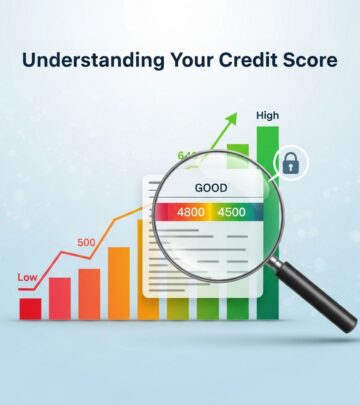
A credit score is a three-digit numerical representation of an individual’s creditworthiness, typically ranging from 300 to 850 in the United States. It provides lenders with a quick snapshot of your credit risk based on your credit history and financial behavior. Think of it as your personal financial report card that determines your eligibility for loans, credit cards, and other forms of credit.
A credit rating, on the other hand, is a letter-grade assessment assigned to larger entities such as corporations, government agencies, and other organizational bodies. Credit ratings evaluate the financial health and reliability of these entities to repay their debts. Ratings agencies like Standard & Poor’s, Moody’s, and Fitch assign these ratings after conducting thorough financial analysis.
Key Differences at a Glance
| Aspect | Credit Score | Credit Rating |
|---|---|---|
| Applies To | Individuals and small businesses | Corporations and governments |
| Format | Three-digit number (300-850) | Letter grades (AAA to D) |
| Purpose | Assess individual credit risk | Assess organizational financial health |
| Used By | Personal lenders, credit card companies | Bond investors, institutional lenders |
| Based On | Payment history, credit utilization, account age, credit mix, new inquiries | Financial statements, business stability, debt repayment patterns |
| Update Frequency | Monthly or quarterly | As needed based on financial changes |
How Credit Scores Work
Credit scores are calculated using sophisticated algorithms that evaluate multiple factors from your credit report. The most widely used scoring model in the United States is the FICO score, which utilizes five primary components:
- Payment History (35%) — Your track record of paying bills on time. This is the most influential factor in determining your credit score.
- Credit Utilization (30%) — The percentage of your available credit that you’re currently using. Lower utilization ratios are favorable.
- Length of Credit History (15%) — How long you’ve had credit accounts open. Longer histories generally result in higher scores.
- Credit Mix (10%) — The variety of credit types you use, such as credit cards, mortgages, auto loans, and personal loans.
- New Credit Inquiries (10%) — Recent applications for credit and new credit accounts opened.
These factors combine to produce your overall credit score. Payment history and credit utilization together account for 65% of your score, making them the most critical components to manage. By focusing on these two areas—paying bills on time and keeping credit card balances low—you can significantly improve your creditworthiness.
Understanding Credit Ratings
Credit ratings are assigned to corporations and government entities to indicate their financial stability and ability to meet debt obligations. These ratings are expressed using letter grades that form a standardized language understood by investors and lenders worldwide.
The Credit Rating Scale
Credit ratings are divided into two primary categories: investment-grade and speculative-grade (also called junk bonds). Investment-grade ratings indicate lower risk and are more attractive to conservative investors.
Investment-Grade Ratings:
- AAA — Highest rating; indicates minimal risk of default
- AA — Very high quality; low default risk
- A — Upper-medium grade; relatively low default risk
- BBB — Medium grade; acceptable creditworthiness
Speculative-Grade Ratings:
- BB — Lower-medium grade; higher default risk
- B — Speculative; significant default risk
- C — High-risk; substantial default probability
- D — Default; entity has defaulted on obligations
Some rating agencies add plus (+) or minus (−) modifiers to provide additional granularity within each category. For example, an A+ rating indicates stronger creditworthiness than an A− rating.
How Credit Ratings Impact the Financial World
Credit ratings significantly influence borrowing costs and investment decisions. A higher credit rating allows corporations and governments to borrow money at lower interest rates, resulting in substantial cost savings over time. Conversely, lower ratings require entities to offer higher yields to attract investors, increasing their financing costs.
Institutional investors, pension funds, and other major financial institutions rely heavily on credit ratings when making investment decisions. Many investment mandates restrict portfolios to investment-grade securities, which automatically excludes lower-rated bonds from consideration.
Personal Credit Scores and Lending Decisions
Your credit score plays a crucial role in your personal financial life. When you apply for a mortgage, auto loan, credit card, or other form of credit, lenders use your credit score to determine whether to approve your application and what interest rate to offer.
A higher credit score typically results in better loan terms, including lower interest rates, higher credit limits, and more favorable repayment conditions. For example, a borrower with a credit score of 750 might qualify for a mortgage at 3.5% interest, while a borrower with a score of 620 might only qualify at 5.5% interest. Over a 30-year mortgage term, this difference can mean tens of thousands of dollars in additional payments.
Credit scores also affect non-lending decisions. Insurance companies often use credit information when calculating premiums, employers may review credit reports during hiring processes, and landlords frequently check credit scores before approving rental applications.
How to Improve Your Credit Score
Since your credit score directly impacts your financial opportunities, improving and maintaining a strong score should be a priority. Here are evidence-based strategies:
- Pay Bills On Time — Set up automatic payments or calendar reminders to ensure you never miss a due date. Payment history accounts for 35% of your score.
- Reduce Credit Utilization — Pay down existing balances and aim to keep utilization below 30%. Paying off high-balance cards has an immediate positive impact.
- Don’t Close Old Accounts — Maintaining older credit accounts increases your average account age and demonstrates a longer credit history.
- Diversify Your Credit Mix — Having multiple types of credit (cards, installment loans, mortgages) shows you can manage different borrowing scenarios.
- Minimize New Credit Applications — Each credit inquiry slightly lowers your score, so apply for new credit only when necessary.
- Check Your Credit Report — Review your annual credit report for errors and dispute any inaccuracies that might be damaging your score.
Credit Report vs. Credit Score
It’s important to distinguish between your credit report and your credit score. Your credit report is a detailed document containing your complete credit history, including all accounts, payment records, inquiries, and negative information. Your credit score is a single number derived from the information in your credit report.
You’re entitled to one free credit report annually from each of the three major credit bureaus (Equifax, Experian, and TransUnion) through AnnualCreditReport.com. However, your credit score may require a fee to access directly from the bureaus, though many financial institutions and credit card issuers provide free scores to their customers.
Different Credit Scoring Models
While FICO scores are the most widely used, multiple credit scoring models exist. FICO offers different versions including FICO 8, FICO 9, and FICO 10, each with slightly different calculation methodologies. Alternative scoring models like VantageScore also exist but are less commonly used by lenders.
It’s worth noting that your credit score may vary slightly depending on which model and bureau is used. A lender might receive different scores from different bureaus, so checking your score across multiple sources can provide a more complete picture of your creditworthiness.
Frequently Asked Questions
Q: What’s the main difference between a credit score and a credit rating?
A: Credit scores apply to individuals and small businesses and are expressed as three-digit numbers ranging from 300 to 850. Credit ratings apply to corporations and governments and are expressed as letter grades from AAA to D. Credit scores assess individual credit risk, while credit ratings evaluate organizational financial health and stability.
Q: Can I improve my credit rating?
A: Credit ratings apply to business entities, not individuals. If you’re a business owner, you can improve your business credit rating by paying bills on time, maintaining low credit balances, establishing a long payment history, and ensuring accurate financial statements.
Q: How often do credit scores update?
A: Credit scores typically update monthly or quarterly as new information is reported to the credit bureaus. Your score can change frequently based on your credit activities, such as payment activity, new applications, or changes in your account balances.
Q: What credit score do I need to qualify for a mortgage?
A: Most mortgage lenders require a minimum credit score of 620, though conventional loans typically require 660 or higher for the best rates. Government-backed loans like FHA loans may accept scores as low as 580. Higher scores qualify for better interest rates.
Q: Can I get a free credit score?
A: Many credit card issuers, banks, and financial institutions provide free credit scores to their customers. You can also access free scores through various financial websites. However, to access your official FICO score directly from the bureaus, you may need to pay a fee.
Q: How long does negative information stay on my credit report?
A: Most negative information, such as late payments and collections, remain on your credit report for seven years. Bankruptcies can stay for up to 10 years. After these periods, the information should automatically be removed.
Q: Does checking my credit score hurt my credit?
A: No. Checking your own credit score is a soft inquiry and does not impact your score. Only hard inquiries from lenders reviewing your credit as part of a loan application can temporarily lower your score.
References
- Understanding the Difference: Credit Rating vs Credit Score Explained — The IFW. https://www.the-ifw.com/blog/financial-wellness-101/credit-rating-vs-credit-score/
- What Is The Difference Between Credit Rating And Credit Score? — CRIF Highmark. https://www.crifhighmark.com/blog/credit-rating-vs-credit-score
- Difference Between Credit Scoring and Credit Rating — Nected.ai. https://www.nected.ai/us/blog-us/difference-between-credit-scoring
- Credit Score vs. Credit Rating — SavvyMoney Education. https://education.savvymoney.com/credit/credit-score-vs-credit-rating/
- Credit Report vs Credit Score — Financial Education, University of Wisconsin Extension. https://finances.extension.wisc.edu/articles/credit-report-vs-score/
- The Impact of Differences Between Consumer- and Creditor-Purchased Credit Scores — Consumer Finance Protection Bureau. https://www.consumerfinance.gov/data-research/research-reports/the-impact-of-differences-between-consumer-and-creditor-purchased-credit-scores/
- What is a credit rating? — Equifax UK. https://www.equifax.co.uk/resources/loans-and-credit/what-is-a-credit-rating.html
Similar Articles








Read full bio of Sneha Tete