Credit Rating: Definition, Types, and Importance
Understanding credit ratings: Essential metrics for assessing creditworthiness and financial risk.

What Is a Credit Rating?
A credit rating is an evaluation of the credit risk of a prospective debtor, which can be an individual, a business, company, or a government. It represents a standardized assessment of the ability and willingness of a borrower to repay their debt obligations. Credit ratings serve as a critical tool for lenders, investors, and other stakeholders to understand the financial reliability of potential borrowers before making lending or investment decisions.
Credit ratings are issued by specialized credit rating agencies that analyze both qualitative and quantitative information about the debtor. This information includes financial statements, payment history, industry conditions, economic factors, and management quality. By providing a quick snapshot of creditworthiness, credit ratings help facilitate efficient capital markets and reduce information asymmetries between borrowers and lenders.
The practice of predicting or forecasting the ability of a debtor to pay back debt or the risk of default is fundamental to modern finance. Without reliable credit ratings, the lending landscape would be far more fragmented and inefficient, as each lender would need to conduct independent credit analysis.
Understanding Credit Risk Assessment
Credit risk assessment involves evaluating multiple factors that determine whether a borrower will fulfill their financial obligations. The process requires comprehensive analysis of both quantitative metrics and qualitative considerations that affect creditworthiness.
Key Components of Credit Risk Assessment
Credit rating agencies examine several dimensions when assessing credit risk. They review financial performance metrics such as debt levels, cash flow, profitability, and liquidity ratios. Additionally, they consider the borrower’s payment history, existing credit obligations, and any previous defaults or late payments.
For businesses, analysts evaluate industry trends, competitive positioning, management quality, and the company’s strategic direction. For governments, assessments include political stability, economic growth rates, foreign exchange reserves, and the composition of government debt. For individuals, personal income, employment stability, existing debts, and payment patterns are primary considerations.
Credit Rating Scales and Grades
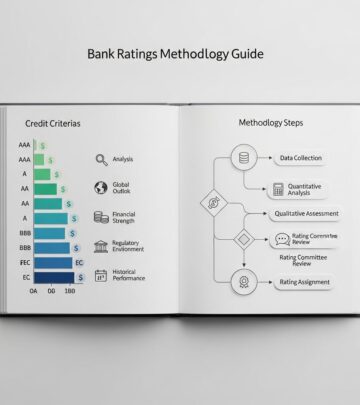
Credit rating agencies use letter-based grading systems to communicate creditworthiness levels. The most common scale ranges from AAA (highest quality, lowest risk) down to D (in default). Understanding these scales is essential for borrowers and investors to quickly grasp the financial standing of entities.
Investment Grade Ratings
Investment grade ratings typically include AAA, AA, A, and BBB categories. These ratings indicate that the debtor has a relatively strong capacity to meet financial commitments. Bonds and loans with investment grade ratings are considered safer for conservative investors. Many institutional investors, such as pension funds and insurance companies, are restricted to holding only investment grade securities.
Speculative Grade Ratings
Speculative grade ratings include BB, B, CCC, CC, and C categories. These ratings indicate higher default risk and are assigned to entities with uncertain or inconsistent ability to pay obligations. While these investments offer higher potential returns, they come with substantially greater risk of loss.
Types of Credit Ratings
Credit ratings are categorized in several ways based on the type of debtor, the rating timeframe, and the specific nature of the obligation being rated.
Corporate Credit Ratings
Corporate credit ratings evaluate the creditworthiness of companies and their ability to meet debt obligations. These ratings apply to corporate bonds, loans, and other debt instruments issued by businesses. A company’s corporate credit rating reflects its financial strength, market position, and operational efficiency.
Sovereign Credit Ratings
A sovereign credit rating is the credit rating of a sovereign entity, such as a national government. Sovereign credit ratings indicate the risk level of the investing environment of a country and are used by investors when looking to invest in particular jurisdictions. These ratings take into account political risk, economic risk, and the government’s willingness and ability to service its debt.
Sovereign ratings are particularly important because they influence the borrowing costs for all entities within that country. Countries with higher sovereign ratings can borrow at lower interest rates, while those with lower ratings face higher borrowing costs. The political and economic stability of a nation directly impacts its sovereign credit rating.
Municipal Credit Ratings
Municipal credit ratings assess the creditworthiness of state and local governments and their issued bonds. These ratings reflect the financial health of municipalities and their capacity to repay municipal bonds used to fund public infrastructure and services.
Short-Term and Long-Term Ratings
Credit ratings are distinguished by their time horizons, which significantly affect risk assessment and investor strategy. A rating expresses the likelihood that the rated party will go into default within a given time horizon. Understanding the difference between these rating types is crucial for both borrowers and investors.
Short-Term Ratings
Short-term ratings have a time horizon of one year or under. These ratings assess the ability of a debtor to meet obligations due within a relatively brief period. Short-term ratings are commonly used in modern finance and are particularly relevant for commercial paper, short-term bank loans, and other near-term obligations.
Long-Term Ratings
Long-term ratings apply to obligations with a time horizon exceeding one year. Historically, institutional investors preferred to consider long-term ratings, as these provided better indications of overall creditworthiness over extended periods. Long-term ratings typically assess the ability to service debt over periods of 5, 10, 20, or more years, making them suitable for bonds and other long-duration instruments.
Major Credit Rating Agencies
Three major agencies dominate the credit rating industry and have significant influence on global financial markets. These agencies are responsible for rating corporate debt, government bonds, asset-backed securities, and other financial instruments.
Standard & Poor’s (S&P)
S&P is one of the oldest and largest credit rating agencies, known for providing ratings on securities and issuers. S&P’s ratings have become industry standards and are widely referenced in financial markets worldwide.
Moody’s Investors Service
Moody’s is another major rating agency that provides credit ratings, research, and analysis on a wide range of debt instruments and issuers. Moody’s ratings are particularly influential in bond markets and institutional investment decisions.
Fitch Ratings
Fitch Ratings is the third major credit rating agency, providing ratings and analysis on corporate debt, government debt, and structured finance instruments. While smaller than S&P and Moody’s, Fitch maintains significant market influence.
How Credit Ratings Affect Borrowing Costs
Credit ratings have a direct and substantial impact on the interest rates at which entities can borrow money. Higher-rated borrowers benefit from lower interest rates, while lower-rated borrowers face significantly higher borrowing costs. This relationship reflects the fundamental principle that higher risk commands higher return requirements from lenders.
When a company receives a downgrade in its credit rating, the market immediately reprices its debt to reflect the increased risk. Bond prices typically fall, and yields rise, increasing the effective borrowing cost for the company. Conversely, an upgrade in credit rating can lower borrowing costs and provide competitive advantages.
For governments, changes in sovereign credit ratings can have economy-wide effects, influencing the borrowing costs not only for the government but also for businesses and individuals within that country.
The Importance of Credit Ratings for Investors
Investors rely heavily on credit ratings to make informed investment decisions and manage portfolio risk. Credit ratings provide essential information about the safety of debt investments and help investors compare creditworthiness across different issuers and industries.
Conservative investors often restrict their portfolios to investment-grade securities, using credit ratings as a key screening tool. Institutional investors, including pension funds, insurance companies, and mutual funds, frequently have mandates or guidelines that require minimum credit ratings for investments. Credit ratings help these investors quickly assess whether a security meets their risk tolerances and investment criteria.
Credit ratings also facilitate price discovery in secondary markets, as traders and investors use ratings to determine fair values for securities. The availability of standardized credit ratings increases market liquidity and reduces transaction costs for investors buying and selling debt instruments.
Limitations and Criticisms of Credit Ratings
While credit ratings provide valuable information, they have important limitations that market participants must understand. Credit rating agencies have been criticized for conflicts of interest, as issuers pay agencies to rate their securities, creating potential bias toward favorable ratings.
Additionally, credit ratings are backward-looking by nature, based on historical data and current conditions. They may fail to anticipate sudden economic changes or unforeseen events that dramatically alter a borrower’s creditworthiness. The 2008 financial crisis highlighted significant failures in credit rating methodology, particularly for complex structured finance instruments.
Investors should not rely exclusively on credit ratings when making investment decisions. Comprehensive financial analysis, consideration of economic conditions, and individual risk assessment should complement rating agency opinions.
Credit Ratings and Financial Markets
Credit ratings are fundamental to the functioning of modern financial markets. They enable the efficient allocation of capital by helping investors identify appropriate investment opportunities and allowing borrowers to access funding at rates reflecting their risk profiles.
The credit rating system supports the development of deep, liquid debt markets by providing standardized risk assessment. Without reliable ratings, borrowers would face higher funding costs due to increased information uncertainty, and investors would have fewer investment opportunities available to them.
Regulatory frameworks increasingly reference credit ratings, with many financial regulations and investment guidelines incorporating minimum rating requirements. This regulatory reliance on credit ratings underscores their importance in financial system infrastructure.
Frequently Asked Questions (FAQs)
Q: What is the difference between a credit rating and a credit score?
A: A credit rating is a broader assessment issued by rating agencies for companies, governments, and bonds, reflecting their creditworthiness on financial obligations. A credit score is a numeric evaluation of an individual’s creditworthiness, calculated by credit bureaus or consumer credit reporting agencies, primarily used for personal lending decisions.
Q: How often are credit ratings reviewed?
A: Credit rating agencies continuously monitor rated entities and conduct periodic reviews. Ratings may be changed if significant changes occur in the entity’s financial condition, market environment, or other relevant factors. Some ratings are reviewed more frequently than others depending on the nature of the obligation and market conditions.
Q: Can credit ratings be appealed?
A: While rating agencies are not required to change ratings based on appeals, issuers can provide additional information or corrections to ratings agencies when they believe a rating contains factual errors or doesn’t reflect their current financial situation.
Q: Why do credit ratings matter for borrowers?
A: Credit ratings directly affect borrowing costs. Higher ratings result in lower interest rates, reducing the cost of capital for businesses and governments. Additionally, a strong credit rating increases access to funding, as investors are more willing to invest in higher-rated securities.
Q: How do credit rating agencies generate revenue?
A: Credit rating agencies primarily generate revenue through subscription fees from users who access ratings and research, and through fees paid by issuers for rating services. This dual revenue model has raised concerns about potential conflicts of interest in the rating process.
References
- Credit Rating — Wikipedia. Available at: https://en.wikipedia.org/wiki/Credit_rating
Similar Articles








Read full bio of medha deb