Credit Piggybacking: Benefits, Risks, And Safer Alternatives
Discover how piggybacking on credit accounts works, its benefits for building scores, and safer alternatives to boost your financial profile effectively.

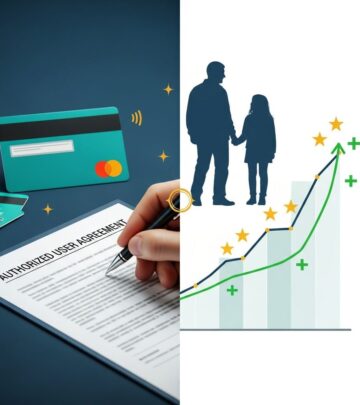
Becoming an authorized user on another person’s credit card account, known as credit piggybacking, allows individuals to potentially enhance their credit profiles by sharing in the account’s positive history. This method can help those with limited or poor credit gain a foothold in establishing financial credibility, though it comes with caveats that demand careful consideration.
Understanding the Mechanics of Credit Piggybacking
Credit piggybacking operates by linking your credit report to an existing account managed by a primary holder. When added as an authorized user, the account’s details—such as payment record, credit utilization, and age—typically appear on your credit reports from major bureaus like Experian, Equifax, and TransUnion. This shared history influences key scoring factors: payment reliability (35% of FICO score), amounts owed (30%), and length of credit history (15%).
Not all issuers report authorized users to bureaus, so outcomes vary. Positive traits like on-time payments and low balances can elevate scores, but negative elements transfer risks too. Unlike joint accounts, authorized users bear no legal repayment obligation, though informal agreements often govern usage.
Types of Piggybacking Arrangements
Piggybacking falls into two primary categories, each suited to different needs and carrying distinct implications.
Personal Relationships: Family and Friends
The most common form involves trusted contacts—parents, spouses, or close friends—with strong credit adding you to their card. Parents often include young adults transitioning to independence, providing a foundation for future solo accounts. You might receive a card for convenience, but the primary holder oversees payments and monitors activity.
This approach fosters mutual trust; the piggybacker agrees to reimburse charges or abstain from use. It proves especially valuable for newcomers to credit, immigrants, or those rebuilding after setbacks, as the established history bolsters profiles rapidly.
Commercial Services: Renting Tradelines
For-profit entities charge fees (often $500+) to place you on strangers’ high-quality accounts temporarily, marketed as ‘tradeline rentals.’ The goal: import aged accounts with perfect payments to inflate scores short-term, aiding approvals for mortgages or premium cards.
These services exploit reporting practices but raise alarms. The FTC has pursued cases under the Credit Repair Organizations Act (CROA), deeming some practices deceptive or illegal, as they promise unrealistic boosts without guaranteed results. Banks increasingly suppress such tradelines from scoring models, diminishing efficacy.
Potential Advantages for Your Credit Profile
- Quick Score Improvement: Access to long-standing accounts with low utilization can jumpstart thin files, vital for FICO or VantageScore calculations.
- Extended History Length: A 20-year-old account counts toward your average age, countering short histories that drag scores down.
- Learning Opportunity: Observing responsible habits firsthand educates users on best practices.
- No Hard Inquiry: Addition doesn’t trigger credit checks, preserving inquiry counts.
Studies, including Federal Reserve analyses, confirm authorized user status correlates with score gains when accounts perform well, though effects wane if personal habits falter.
Key Risks and Drawbacks to Consider
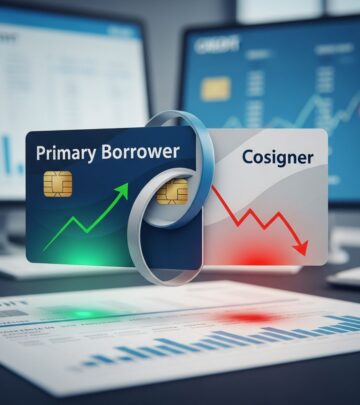
While appealing, piggybacking isn’t foolproof. Primary holders’ missteps—late payments, maxed balances—mirror on your report, potentially tanking scores. For instance, utilization over 30% harms everyone involved.
| Risk Factor | Impact on Piggybacker | Impact on Primary Holder |
|---|---|---|
| Late Payments | Derogatory marks lower score | Unaffected if you don’t pay |
| High Utilization | Increased debt-to-limit ratio | Shared burden raises theirs |
| Account Closure | Sudden history loss | No direct hit |
| For-Profit Fraud | Fees wasted, legal issues | Account compromise risks |
Commercial options amplify dangers: scams abound, with no recourse if promises fail. Some issuers now filter ‘rented’ users, nullifying benefits. Dependence delays personal responsibility development.
Factors Influencing Piggybacking Success
Effectiveness hinges on account quality. Optimal profiles feature:
- Age: 10+ years preferred.
- Limit: High ($10,000+).
- Utilization: Under 10%.
- Payments: 100% on-time.
Your baseline matters; those with solid scores see minimal uplift, while thin files benefit most. Bureau reporting consistency and scoring model tweaks (e.g., FICO 8 vs. 9) also play roles.
Alternatives for Independent Credit Building
Relying on others suits short-term needs, but self-reliant paths yield lasting results without shared risks.
Secured Credit Cards
Deposit-funded cards (e.g., $200 deposit = $200 limit) report activity like unsecured ones. Responsible use—timely payments, low balances—builds history organically. Many graduate to unsecured after 6-12 months.
Credit-Builder Loans
Lenders hold loan proceeds ($500-$1,000) in savings while you repay over 6-24 months. Payments build positive history; completion releases funds plus interest. Ideal for payment novices.
Other Strategies
- Become an authorized user organically via relationships.
- Use rent-reporting apps for utilities.
- Opt for starter cards with issuer forgiveness.
Per FTC guidance, these methods align with sustainable habits over quick fixes.
Steps to Piggyback Safely
- Vet the Account: Review statements for history, limits, usage.
- Communicate Clearly: Define usage rules, reimbursement.
- Monitor Reports: Check Equifax, Experian, TransUnion weekly.
- Plan Exit: Remove once self-sufficient; request issuer non-reporting if needed.
- Avoid Paid Services: Steer clear unless vetted exceptionally.
Frequently Asked Questions
Does piggybacking affect the primary holder’s score?
Your charges impact their utilization and history, but not if you reimburse promptly.
Can I piggyback on multiple accounts?
Yes, but dilution occurs; quality trumps quantity.
Will removal hurt my score?
Possibly, if it shortens history or spikes utilization; time it post-credit establishment.
Is for-profit piggybacking legal?
Often skirts regulations; FTC warns of CROA violations in misleading cases.
How long until I see results?
1-2 months post-reporting, varying by bureau cycles.
Long-Term Financial Empowerment
Piggybacking jumpstarts credit but thrives alongside habits like budgeting and on-time payments. Transition to solo accounts for true independence, ensuring enduring financial health.
References
- What Is Credit Card Piggybacking? — Experian. 2023. https://www.experian.com/blogs/ask-experian/what-is-piggybacking-credit/
- What is piggybacking credit? — Lexington Law. 2023. https://www.lexingtonlaw.com/blog/credit-101/what-is-piggybacking.html
- What Is Piggybacking Credit & How Does It Work? — SoFi. 2023. https://www.sofi.com/learn/content/what-is-piggybacking-credit/
- CROA case shows why piggybacking isn’t the answer for consumers shouldering bad credit — Federal Trade Commission (FTC). 2020-03-17. https://www.ftc.gov/business-guidance/blog/2020/03/croa-case-shows-why-piggybacking-isnt-answer-consumers-shouldering-bad-credit
- Credit Where None Is Due? Authorized User Account Status and Credit Scores — Federal Reserve Board. 2010. https://www.federalreserve.gov/pubs/feds/2010/201023/201023pap.pdf
Similar Articles








Read full bio of Sneha Tete