Credit Monitoring: 5 Essential Steps To Protect Your Credit
Discover how credit monitoring safeguards your financial future with real-time alerts, fraud protection, and tools for better credit health.
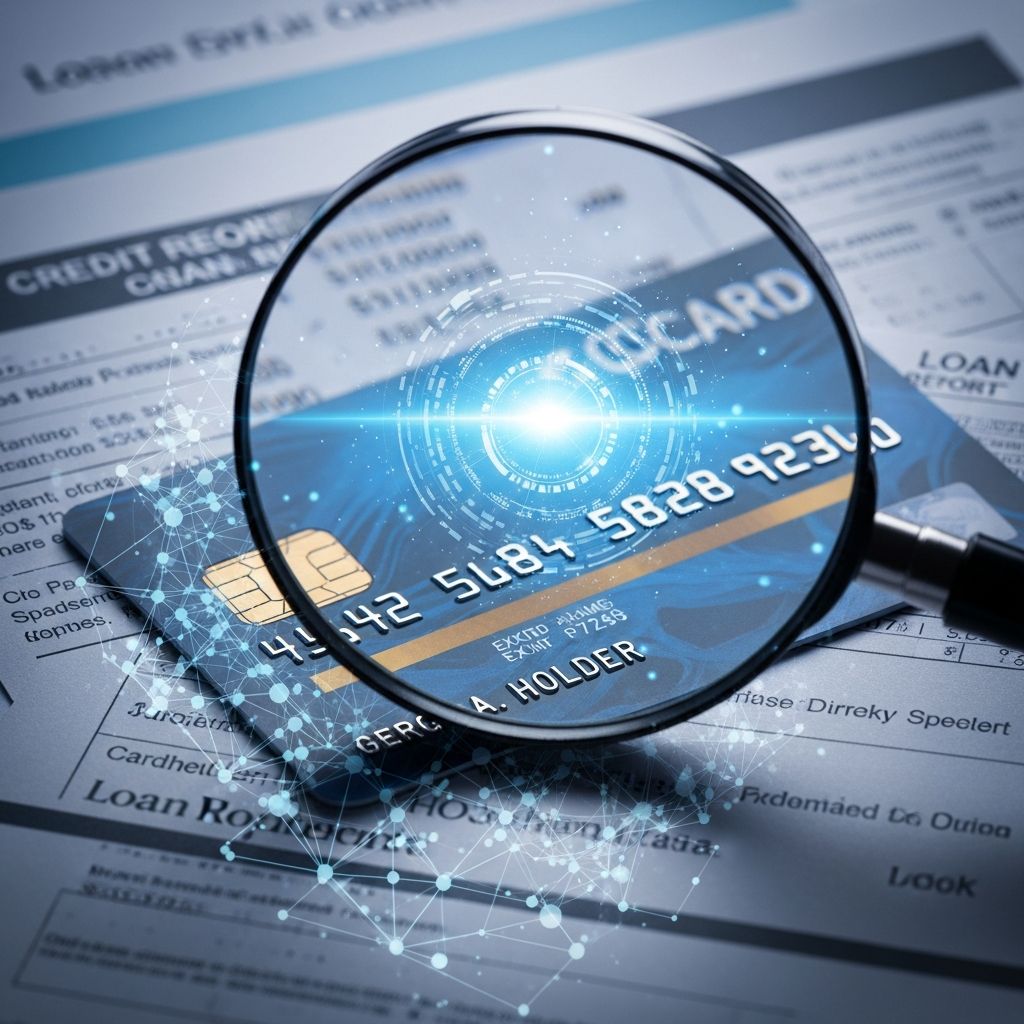
Keeping a close eye on your credit profile is a cornerstone of sound financial management. Credit monitoring involves systematically tracking changes to your credit reports and scores from major bureaus, enabling you to detect irregularities promptly and make informed decisions. This practice empowers individuals to protect their financial identity while optimizing their creditworthiness for loans, mortgages, and other opportunities.
Defining Credit Monitoring in Today’s Financial Landscape
Credit monitoring refers to the ongoing surveillance of your credit files maintained by the three primary credit bureaus: Equifax, Experian, and TransUnion. These files compile data on your borrowing history, including payment records, account balances, and inquiries from lenders. Services or tools designed for this purpose deliver regular updates, often in real-time, notifying you of any modifications such as new accounts, balance shifts, or hard inquiries that could signal issues.
Unlike a one-time credit check, monitoring provides continuous oversight, which is crucial in an era where data breaches expose millions of personal records annually. For instance, unauthorized applications for credit in your name can appear suddenly, and early detection allows swift intervention to minimize damage.
Key Advantages of Proactive Credit Oversight
Adopting credit monitoring yields multiple benefits that extend beyond mere observation. Here’s a breakdown of its primary strengths:
- Immediate Fraud Detection: Receive notifications about suspicious activities like unfamiliar accounts or inquiries, allowing you to act before fraud escalates.
- Error Identification and Correction: Spot inaccuracies such as wrongly reported late payments or duplicate entries, which you can dispute to restore your score’s accuracy.
- Score Tracking and Insights: Gain visibility into factors influencing your score, like utilization ratios or payment history, to guide improvement strategies.
- Enhanced Financial Readiness: Stay prepared for major purchases by knowing your standing with lenders, potentially securing better rates.
- Peace of Mind: Particularly valuable for those affected by data breaches, offering reassurance through vigilant protection.
These advantages transform monitoring from a passive check into an active defense mechanism, fostering disciplined financial habits over time.
Navigating the Drawbacks and Realistic Expectations
While beneficial, credit monitoring isn’t a panacea. Understand its limitations to set appropriate expectations:
- It alerts to changes but doesn’t prevent fraud, such as blocking new account openings or securing your data.
- Paid services can be costly, with monthly fees adding up without guaranteeing superior free alternatives.
- Services may not cover all bureaus comprehensively unless specified, potentially missing some activity.
- No automatic error resolution; disputes require your manual follow-up with bureaus.
Despite these, the proactive alerts often outweigh the cons for at-risk individuals. Weigh your needs—high-risk profiles benefit most from premium features like dark web scans.
Free vs. Paid Monitoring: A Comparative Analysis
Choosing between free and paid options depends on your risk level and desired features. The table below outlines key differences:
| Feature | Free Options | Paid Services |
|---|---|---|
| Frequency of Updates | Weekly or Monthly | Daily/Real-Time |
| Bureau Coverage | 1-2 Bureaus (e.g., via AnnualCreditReport.com) | All 3 Bureaus |
| Alerts | Basic Change Notifications | Customizable, Including Fraud & Dark Web |
| Score Simulators/Education | Limited | Comprehensive Tools |
| Cost | $0 | $10-$30/Month |
Free tools suffice for routine checks, while paid ones suit those seeking advanced protection.
Steps to Launch Your Credit Monitoring Routine
Getting started is straightforward. Follow these actionable steps:
- Access Free Annual Reports: Visit AnnualCreditReport.com for weekly free reports from all three bureaus, a right extended post-COVID.
- Sign Up for Free Monitoring: Use services from banks, credit card issuers, or sites like Credit Karma for basic score tracking and alerts.
- Evaluate Paid Services: Compare offerings from reputable providers, focusing on bureau coverage and alert speed.
- Set Up Alerts: Customize notifications for inquiries, new accounts, and score drops.
- Review Regularly: Check reports quarterly and act on any discrepancies immediately.
Incorporate freezing your credit at bureaus for free fraud prevention, complementing monitoring efforts.
Who Stands to Gain the Most from Monitoring?
Not everyone needs intensive monitoring, but certain groups benefit disproportionately:
- Data Breach Victims: Heightened risk of misuse necessitates vigilant tracking.
- Frequent Borrowers: Those applying for loans or cards regularly can time improvements effectively.
- New Credit Users: Building history requires oversight to avoid early pitfalls.
- High-Net-Worth Individuals: Larger assets amplify fraud consequences.
- Identity Theft Survivors: Ongoing surveillance prevents recurrence.
Even average users gain from basic monitoring to maintain optimal scores.
Advanced Features Elevating Your Protection
Beyond basics, look for these enhancements in top-tier services:
- Dark Web Scanning: Detects exposed credentials on illicit sites.
- SSN Monitoring: Tracks misuse of your Social Security number.
- Public Records Watch: Flags bankruptcies or liens promptly.
- Score Simulators: Predict impacts of actions like balance reductions.
- Dispute Guidance: Step-by-step support for corrections.
These tools provide deeper insights, turning data into actionable intelligence.
Integrating Monitoring with Broader Financial Security
Credit monitoring shines brightest within a holistic security strategy. Pair it with:
- Strong, unique passwords and multi-factor authentication.
- Regular bank statement reviews for unauthorized transactions.
- Credit freezes to block new accounts.
- Paperless statements to reduce theft risk.
This layered approach fortifies your finances comprehensively.
Frequently Asked Questions
What exactly does credit monitoring track?
It watches for changes in accounts, inquiries, balances, and personal info across credit bureaus, alerting you to potential issues.
Is credit monitoring the same as identity theft protection?
No—monitoring detects credit changes; full protection may include insurance or restoration services.
Can I monitor my credit completely for free?
Yes, through AnnualCreditReport.com and bank-provided tools, though with fewer bells and whistles.
How often should I check my credit reports?
Weekly via free services, or daily with monitoring apps for high-risk situations.
Does monitoring improve my credit score?
Indirectly, by enabling quick fixes to errors and better habits, but it doesn’t boost scores on its own.
Maintaining Long-Term Credit Health Through Vigilance
Consistent monitoring cultivates awareness of credit dynamics, from utilization under 30% to timely payments comprising 35% of scores. Track progress monthly, adjust behaviors, and celebrate milestones like score jumps post-dispute. Over time, this discipline not only safeguards but elevates your financial profile, unlocking favorable terms on everything from auto loans to rentals.
In a world of rising cyber threats, proactive credit oversight is indispensable. Start today with free resources, scale as needed, and reclaim control over your financial narrative.
References
- The Pros and Cons of Using Credit Monitoring Services — Central Bank. 2023. https://www.centralbank.net/learning-center/credit-and-debt/credit-score-101/the-pros-and-cons-of-using-credit-monitoring-services/
- What Is Credit Report Monitoring and Why Is It Important? — CRIF High Mark. 2024. https://www.crifhighmark.com/blog/what-is-credit-report-monitoring
- Your Credit Score: Why Monitoring Matters — Las Vegas Electricians Credit Union. 2023. https://www.lvecu.org/blog-resources/your-credit-score-why-monitoring-matters-and-how-savvymoney-credit-score-can-help
- What Is Credit Monitoring And Is It Worth Paying For? — Bankrate. 2025-01-15. https://www.bankrate.com/personal-finance/credit/credit-monitoring-when-is-it-worth-paying-for/
- Credit Monitoring Services: Are They Worth the Cost? — NerdWallet. 2024. https://www.nerdwallet.com/finance/learn/credit-monitoring-identity-theft-monitoring
- The Importance of Monitoring Your Credit Score Regularly — IndusInd Bank. 2024. https://www.indusind.bank.in/iblogs/credit-card/the-importance-of-monitoring-your-credit-score-regularly/
- Understanding Your Credit — Federal Trade Commission (FTC). 2025. https://consumer.ftc.gov/articles/understanding-your-credit
Similar Articles








Read full bio of medha deb