Credit Mix: 2 Essential Account Types For Stronger Credit
Diversify your credit accounts to strengthen your financial standing

Your financial profile is more than just a single number—it’s a comprehensive picture of how you manage various forms of credit over time. One key component that lenders examine is the variety of credit accounts you maintain, commonly referred to as your credit mix. While this factor may not dominate your overall creditworthiness the way payment history does, it plays a meaningful role in your financial reputation and borrowing potential.
Defining Credit Portfolio Composition
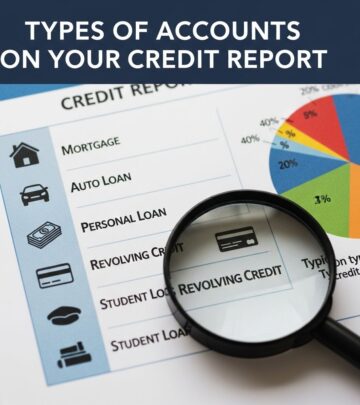
Credit mix refers to the variety of different credit account types you hold within your financial history. Think of it as a snapshot of your ability to manage diverse financial obligations. Rather than relying solely on one type of credit arrangement, having multiple categories demonstrates versatility in handling various lending scenarios. This diversity signals to financial institutions that you can navigate different repayment structures and financial commitments responsibly.
Financial reporting agencies recognize that different credit types require different skill sets. Some accounts demand flexibility in how much you pay each month, while others require fixed, consistent payments. Your capacity to succeed with both arrangements indicates financial maturity and reliability.
The Two Primary Credit Categories
All forms of credit generally fall into one of two fundamental categories, each with distinct characteristics and repayment requirements:
Revolving Credit Arrangements
Revolving credit provides you with a predetermined borrowing limit, and you have the flexibility to borrow, repay, and reborrow funds as needed throughout your account lifecycle. The amount you owe determines your minimum monthly payment, and the account remains open indefinitely unless you choose to close it.
Common examples of revolving credit include:
- Credit cards issued by banks or financial institutions
- Retail-branded credit cards from department stores or merchants
- Home equity lines of credit (HELOC) that draw against your property value
- Personal lines of credit from financial institutions
- Business credit lines for commercial purposes
The hallmark of revolving credit is its adaptability—you control how much you borrow and when, making it useful for managing variable expenses or unexpected needs.
Installment Credit Arrangements
Installment credit operates on a completely different framework. You receive a specific amount of money upfront, and you repay that amount through fixed, regular payments over a predetermined period. Each payment typically includes both principal reduction and interest charges. Once you’ve completed all payments, the account closes.
Primary examples of installment credit include:
- Mortgage loans for residential property purchases
- Automobile loans for vehicle financing
- Student loans for educational expenses
- Personal installment loans for various needs
- Furniture or appliance financing
Installment accounts demonstrate your willingness and ability to commit to long-term financial obligations with predictable monthly payments.
Understanding the Importance of Diversified Borrowing
You might reasonably ask: why does the type of credit matter as long as you pay your bills on time? The answer lies in what different credit types reveal about your financial capabilities. Managing a fixed monthly payment obligation requires different skills than managing variable payments. Lenders recognize this distinction and view borrowers who can handle both types as lower-risk individuals.
When your credit profile includes both revolving and installment accounts in good standing, you’re demonstrating comprehensive financial competence. This signals that you:
- Can adapt to different repayment structures and requirements
- Understand how to manage discretionary spending within credit limits
- Commit to and fulfill long-term financial obligations
- Balance multiple financial responsibilities simultaneously
- Maintain discipline across various credit scenarios
Credit Mix’s Role in Your Overall Credit Assessment
Within the FICO scoring model, credit mix constitutes approximately 10% of your total credit score. To put this in perspective, consider how FICO allocates the remaining 90%:
| Credit Score Component | Percentage Weight |
|---|---|
| Payment history | 35% |
| Credit utilization ratio | 30% |
| Length of credit history | 15% |
| New credit inquiries | 10% |
| Credit mix (types of accounts) | 10% |
While 10% might seem modest, it can make a meaningful difference in borderline situations. If you’re between credit score tiers or competing with other applicants for favorable lending terms, a well-rounded credit portfolio could be the distinguishing factor that works in your favor.
Alternative credit scoring models, such as VantageScore, weight credit mix differently. In VantageScore models, credit mix combines with credit age to account for 20-21% of your total score, giving it greater prominence in their assessment methodology.
What Doesn’t Qualify as Part of Your Credit Mix
Not all financial activities contribute to your credit mix calculation. Several types of accounts and transactions are specifically excluded because they don’t appear on your credit report or don’t fit the credit usage categories that scoring models evaluate:
- Savings and investment accounts: Traditional savings accounts, certificates of deposit, and similar vehicles involve saving rather than borrowing, so they’re excluded
- Debit card transactions: These use your own funds rather than credit, so they carry no weight in credit mix assessment
- Utility and service payments: Electricity, water, gas, internet, and mobile phone bills, while important financial responsibilities, don’t constitute credit usage
- Payday loans: These short-term borrowing products typically don’t report to major credit bureaus
- Auto title loans: These alternative lending products fall outside standard credit reporting
- Buy-now-pay-later arrangements: Many modern point-of-sale financing options don’t report to credit bureaus
It’s important to note that while these excluded items don’t contribute positively to your credit mix, defaulting on them can still damage your credit report. If a payday lender or similar creditor sends an unpaid debt to collections, it will appear as a negative item on your credit history and harm your payment history rating, the most influential credit score component.
Developing an Appropriate Credit Portfolio
There’s no universally perfect credit mix that guarantees an excellent score. However, financial experts generally recommend maintaining at least one account from each major category. A baseline healthy credit portfolio typically includes:
- At least one revolving credit account (such as a credit card)
- At least one installment account (such as a personal loan, auto loan, or mortgage)
This combination provides evidence of your ability to manage both flexible and fixed credit obligations. As you progress through different life stages—purchasing a home, financing a vehicle, paying for education—your credit mix naturally evolves to include additional account types.
The key principle is balance. Rather than pursuing credit accounts simply to improve your credit mix, focus on developing a portfolio that aligns with your genuine financial needs and your capacity to manage the obligations responsibly. Overextending yourself with excessive accounts can strain your budget and create payment risks that ultimately harm your credit profile far more than a limited mix would.
Practical Considerations for Building Your Credit Profile
As you work to develop a diverse credit portfolio, keep several important principles in mind:
Avoid Simultaneous Multiple Applications
Each time you apply for credit, the lender performs an inquiry into your credit report. These hard inquiries can temporarily lower your score and accumulate quickly if you apply for multiple accounts within a short timeframe. Lenders interpret multiple rapid applications as a sign of financial desperation, making them less likely to approve new credit.
Space out credit applications and apply only when you have a genuine need for additional credit.
Balance Your Approach
Don’t concentrate all your credit usage in one category. If you currently have only credit cards, consider adding an installment account such as a personal loan or auto loan when the opportunity naturally arises. Conversely, if your portfolio consists only of installment loans, adding a credit card can round out your profile.
Maintain Responsible Usage
Diversifying your credit accounts only benefits your score if you manage each account responsibly. Consistent, on-time payments across all accounts matter far more than simply having multiple account types. A payment default on any account—revolving or installment—will significantly damage your credit profile.
Monitor Your Credit Utilization
Even as you work to improve your credit mix, maintain awareness of how much of your available revolving credit you’re actually using. High utilization rates can offset the benefits of having diverse account types.
The Natural Evolution of Credit Mix
One reassuring aspect of credit mix is that it typically develops naturally as you navigate major life events and financial milestones. A recent college graduate might start with a student loan (installment credit) and then open their first credit card (revolving credit), automatically creating a diversified portfolio. Someone purchasing their first home adds a mortgage to their existing credit card accounts. These organic additions to your credit profile happen as part of normal financial progression, not because you artificially pursued accounts for scoring purposes.
This natural development means you shouldn’t feel pressured to artificially manufacture credit diversity. Instead, remain aware of your overall profile and pursue accounts that serve genuine financial purposes while keeping credit mix as a secondary benefit.
Frequently Asked Questions
- What percentage of my credit score comes from credit mix?
- Credit mix accounts for approximately 10% of your FICO score. Some alternative scoring models, like VantageScore, weight it more heavily at 20-21% of your score.
- Can I improve my credit score by opening new accounts just for credit mix?
- While opening new accounts could theoretically improve your mix, it’s not a recommended strategy. The hard inquiries from applications temporarily lower your score, and multiple recent applications signal financial risk to lenders. It’s better to let your credit portfolio develop naturally through genuine financial needs.
- Is having multiple credit cards better than having one?
- Multiple credit cards don’t necessarily improve your credit mix—they’re all the same type (revolving). What matters more is having at least one revolving account and one installment account. Multiple cards can actually harm your score if they increase your total revolving credit utilization.
- Do store credit cards help my credit mix?
- Store credit cards are revolving accounts, so they function similarly to traditional credit cards for credit mix purposes. However, if you already have traditional credit cards, opening multiple store cards adds accounts of the same type rather than true diversification.
- What should I do if I only have credit cards?
- Consider adding an installment account when it aligns with your financial needs—perhaps through a personal loan, auto loan, or mortgage. This adds genuine diversity to your portfolio without requiring unnecessary debt.
- How long does it take for a new account to impact my credit mix?
- A new account appears on your credit report almost immediately, so its impact on your credit mix is nearly instant. However, the overall improvement to your score may take several months as the account builds a payment history.
Moving Forward With Strategic Credit Management
While credit mix represents only one component of your overall creditworthiness, understanding its role empowers you to make informed financial decisions. Rather than pursuing accounts solely for score improvement, focus on building a naturally diverse portfolio that serves your actual financial needs. Maintain consistent, on-time payments across all accounts, keep revolving credit utilization reasonable, and let your credit profile develop as your life circumstances evolve. This balanced approach to credit management will yield far better results than attempting to game the system through artificial account accumulation.
References
- What is Credit Mix and How Can It Affect Credit Scores — Bajaj Finserv. 2024. https://www.bajajfinserv.in/what-is-a-credit-mix-and-how-can-it-affect-credit-scores
- How Credit Mix Affects Your Credit Score — Bankrate. 2024. https://www.bankrate.com/personal-finance/credit/credit-mix-credit-score/
- What Is Credit Mix? — Experian. June 26, 2024. https://www.experian.com/blogs/ask-experian/what-is-credit-mix-and-how-can-it-help-your-credit-score/
- Credit Scores — MyCreditUnion.gov (National Credit Union Administration). 2024. https://mycreditunion.gov/manage-your-money/credit/credit-scores
- Credit Reports — Federal Deposit Insurance Corporation. 2024. https://www.fdic.gov/consumer-resource-center/credit-reports
Similar Articles








Read full bio of Sneha Tete