Credit Mistakes: 9 Common Errors Costing You Money
Discover common credit mistakes that drain your wallet and learn actionable steps to fix them for better financial health.

Your credit report and score influence everything from loan interest rates to rental approvals. Simple mistakes can linger for years, inflating costs on mortgages, auto loans, and credit cards. This guide breaks down common pitfalls, their impacts, and fixes to reclaim your financial edge.
Making Late Payments
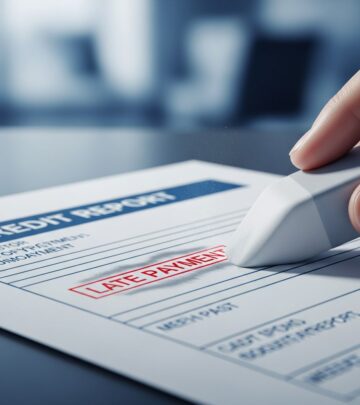
Occasional late payments might seem minor, but they carry heavy consequences. Late payments can stay on your Equifax credit report for up to
seven years
from the date of the delinquency, even after you settle the balance. Payment history often weighs most heavily in credit scoring models, so one slip can drop your score significantly.For instance, the Consumer Financial Protection Bureau (CFPB) fined Equifax $15 million for failing to properly investigate disputes, allowing errors like persistent late payment notations to harm consumers. Studies show 5% of consumers have material errors costing them higher rates on loans and insurance, affecting roughly 10 million Americans.
- Impact: Lenders see risk, leading to denials or rates 1-2% higher, adding thousands over a loan’s life.
- Fix: Set up autopay for at least the minimum. If late, pay promptly to minimize damage.
- Pro Tip: Free weekly credit reports via AnnualCreditReport.com through 2026 help spot issues early.
Making Only the Minimum Credit Card Payment Each Month
Paying just the minimum keeps you out of default but traps you in debt cycles. Most of your payment goes to interest, not principal, extending payoff time dramatically. For a $1,000 balance at 20% APR, minimum payments could take over 20 years and cost $2,000+ in interest.
This habit signals risk to lenders, hurting scores over time. High balances from slow paydown increase utilization ratios, another score killer.
| Payment Strategy | Time to Pay Off $5,000 at 18% APR | Total Interest Paid |
|---|---|---|
| Minimum (2.5% of balance) | ~30 years | ~$13,000 |
| Fixed $150/month | ~5 years | ~$2,500 |
| $300/month | ~2 years | ~$1,200 |
Switch to paying full statements monthly to build positive history and avoid interest.
Maxing Out Your Credit Card
Credit utilization—balances versus limits—comprises about 30% of FICO scores. Maxing cards pushes this over 30%, tanking scores even if paid on time. Ideal utilization stays under 10% across all cards.
Equifax errors have reinserted high balances post-deletion, worsening scores. Consumer Reports found 1 in 10 had financial errors like unrecognized payments inflating utilization.
- Quick Wins: Request limit increases (without spending more), pay mid-cycle, or spread balances.
- Avoid: Closing old cards, which shrinks total limits and spikes utilization.
Misunderstanding How Credit Scores Work
Many confuse reports (detailed histories) with scores (300-850 summaries from models like FICO or VantageScore). Scores predict repayment likelihood; errors in reports feed bad scores.
CFPB noted Equifax shared flawed scores due to software bugs, shifting some by 25+ points. Free reports exclude scores, but banks often provide them gratis.
Not Checking Your Credit Reports Regularly
One-third of Consumer Reports volunteers found errors; 1 in 10 had score-dropping mistakes like false late payments. FTC estimates 10 million overpay due to inaccuracies.
Equifax’s processes ignored consumer evidence, reinserted deleted errors, and failed identity theft blocks. Regular checks prevent this.
- Get free reports weekly at AnnualCreditReport.com.
- Review for unfamiliar accounts, wrong personal info, or duplicate listings.
Closing Old Credit Card Accounts
Closing reduces available credit, hiking utilization. It also shortens average account age (15% of scores). Keep old cards open, use occasionally for small charges, and pay off.
Applying for Too Much New Credit
Multiple inquiries signal desperation, dinging scores 5-10 points each (temporary, but add up). Hard inquiries last 2 years; space applications 6+ months apart.
Ignoring Authorized User Status
As an authorized user, primary account activity affects you. Poor habits (lates, high use) drag your score. Ask to be removed or ensure responsible use.
Co-Signing Loans
Co-signing adds the debt to your report. Missed payments hurt you too, despite no ownership. Only co-sign for trusted borrowers.
How to Fix Credit Mistakes
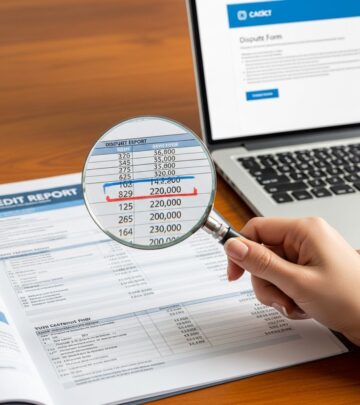
Dispute errors free; bureaus must investigate in 30 days. Provide docs like statements. Track via certified mail.
- Spot errors on free reports.
- Dispute online/phone/mail with evidence.
- Follow up; escalate to CFPB if ignored.
- Build positives: on-time payments, low utilization.
Post-Equifax fine, accuracy nears 100%, but vigilance is key.
Frequently Asked Questions (FAQs)
How long do late payments stay on my credit report?
Up to seven years from the delinquency date, impacting scores variably.
Can I remove accurate negative info early?
No, but goodwill letters to creditors sometimes work for one-offs.
What’s a good credit utilization ratio?
Under 30%, ideally below 10% for top scores.
Do credit repair companies help?
Often not; DIY disputes are free and effective. Beware scams.
How often should I check my credit?
Weekly free reports; monthly scores via bank apps.
Key Takeaways
Avoid late payments, pay more than minimums, keep utilization low, and monitor reports. These steps can save thousands and unlock better rates. Your credit is yours to protect—start today.
References
- Equifax Fined $15 Million for Credit Report Errors—Here’s What You Need to Know — TrustDale. 2025. https://trustdale.com/blog/equifax-fined-15-million-for-credit-report-errors-heres-what-you-need-to-know
- CFPB Orders Equifax to Pay $15 Million for Improper Investigations of Credit Reporting Errors — Consumer Financial Protection Bureau. 2025-01-12. https://www.consumerfinance.gov/about-us/newsroom/cfpb-orders-equifax-to-pay-15-million-for-improper-investigations-of-credit-reporting-errors/
- Study: 10 Million Americans Face Costly Credit Report Errors — Debt.org. 2024. https://www.debt.org/blog/study-suggests-you-check-credit-reports-for-inaccuracies/
- A Third of Volunteers Found Errors in Credit Reports — Consumer Reports. 2024. https://www.consumerreports.org/credit-scores-reports/consumers-found-errors-in-their-credit-reports-a6996937910/
- Credit Mistakes That May Be Costing You Money — Equifax. 2025. https://www.equifax.com/personal/education/personal-finance/articles/-/learn/credit-mistakes-costing-you-money/
Similar Articles








Read full bio of medha deb