Credit Limit Reductions: 5 Causes And 6 Prevention Strategies
Discover why credit card limits drop, their impact on scores, and strategies to protect your financial health effectively.

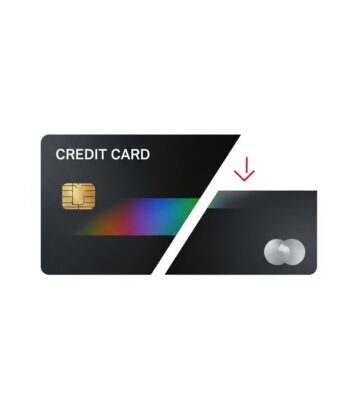
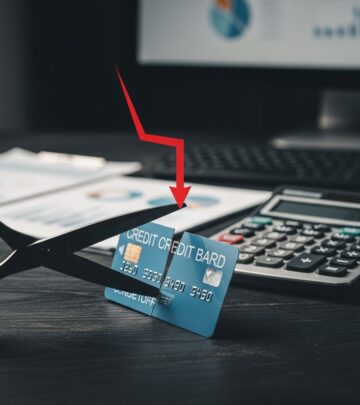
Credit limit decreases occur when issuers lower the maximum borrowing amount on revolving accounts like credit cards. This adjustment can significantly alter your financial profile by raising your credit utilization rate, a critical factor in credit scoring models.
Understanding Credit Limits and Their Role
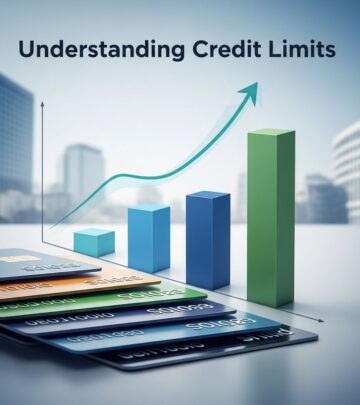
Credit limits represent the maximum amount a lender allows you to borrow on a revolving credit account. Lenders set these based on factors such as income, credit history, and perceived risk. A higher limit provides more breathing room, helping maintain low utilization rates that favor positive credit scores.
When limits shrink, even without increased spending, the proportion of used credit rises. For instance, FICO scores weigh utilization heavily, where keeping it under 30% is advisable for optimal results.
Primary Triggers for Limit Reductions
Issuers monitor accounts closely and adjust limits to manage exposure. Common triggers include:
- Perceived Risk Increase: Changes in payment patterns, such as missed or late payments, signal higher default risk, prompting reductions.
- Inactivity: Unused cards may see limits cut as issuers reallocate credit to active users, especially during economic uncertainty.
- Debt-to-Income Shifts: Higher overall debt relative to reported income raises concerns, leading to proactive cuts.
- Economic Conditions: During downturns like the COVID-19 period, many lenders trimmed limits across portfolios to mitigate losses.
- Account Reviews: Periodic evaluations can result in changes if external credit report data shows new risks, such as multiple inquiries.
Importantly, issuers rarely reduce limits below current balances, protecting against immediate over-limit scenarios.
Impact on Credit Utilization and Scores
Credit utilization, calculated as balances divided by total limits, comprises about 30% of FICO scores. A limit drop directly inflates this ratio.
Consider this example:
| Scenario | Balance | Original Limit | Utilization | New Limit | New Utilization |
|---|---|---|---|---|---|
| Before Decrease | $2,500 | $10,000 | 25% | – | – |
| After Decrease | $2,500 | – | – | $5,000 | 50% |
This jump from 25% to 50% can lower scores substantially, as models penalize ratios above 30%. Effects vary by overall portfolio; a single card change impacts less if other limits remain high.
Closed accounts from reductions linger on reports, potentially aiding history length but harming if utilization spikes elsewhere.
Short-Term vs. Long-Term Score Effects
Immediate score dips often follow reported changes, but recovery is possible. Paying down balances quickly can restore low utilization.
Longer-term, persistent high utilization signals risk to other lenders, possibly triggering chain reactions. However, responsible habits post-reduction can rebuild scores within months.
Strategies to Prevent Limit Decreases
Proactive management minimizes risks:
- Make timely payments to demonstrate reliability.
- Maintain low balances, ideally under 10-30% utilization.
- Use cards regularly without maxing them out.
- Update issuers with income changes or positive financial shifts.
- Monitor reports via free weekly access from bureaus to catch issues early.
- Diversify credit without overapplying to avoid inquiry spikes.
Avoid requesting lower limits yourself, as this mirrors issuer reductions in effect.
Steps to Take After a Limit Decrease
If notified of a reduction:
- Review Notification: Understand the reason provided by the issuer.
- Check Utilization: Calculate new ratios across accounts and pay down if elevated.
- Contact Issuer: Ask for reconsideration, providing updated financials.
- Monitor Scores: Track changes via services like myFICO.
- Build Reserves: Increase savings to buffer against further adjustments.
In rare cases, dispute if the change seems erroneous, but success depends on evidence.
Broader Financial Implications
Beyond scores, lower limits curb purchasing power and may complicate large purchases or loans. High utilization can lead to declined transactions or higher interest offers from competitors.
For planned major financing like mortgages, time reductions carefully or accelerate payoff to mitigate.
FAQs
Can issuers lower limits without notice?
Yes, terms often permit changes anytime for risk management, though notifications are standard.
Does low usage cause decreases?
Infrequent use can prompt cuts, as issuers prefer active, low-risk accounts.
How quickly do score changes appear?
Typically after the issuer reports to bureaus, within 30-45 days.
Will one reduction affect other cards?
Possibly, if it raises overall utilization, prompting reviews.
Can I restore my original limit?
Often yes, by improving habits and requesting reinstatement.
Maintaining Optimal Credit Health
Regular monitoring and disciplined use prevent most issues. Tools from bureaus like Equifax and Experian offer insights into utilization trends. Aim for diverse, well-managed credit to buffer against isolated changes.
In economic volatility, issuers tighten; counter by strengthening your profile proactively. Consistent low utilization and on-time payments outweigh occasional adjustments.
References
- Decreasing Credit Card Limits – A Major Score Impact — Credit Law Center. 2023. https://www.creditlawcenter.com/decreasing-credit-card-limits-a-major-score-impact/
- How credit limit decreases can affect your score — myFICO. 2024-01-15. https://www.myfico.com/credit-education/credit-scores/credit-limit-decrease-affect-fico-score
- Can Credit Limits Be Reduced? Reasons, Prevention & Credit Score — MyCV CU. 2023-05-10. https://www.mycvcu.org/blog/can-your-credit-limit-decrease
- How Will a Lowered Credit Limit Affect My Credit Scores? — Equifax. 2025-03-20. https://www.equifax.com/personal/education/credit/score/articles/-/learn/lowered-credit-limit-credit-scores/
- Does Requesting a Lower Credit Limit Hurt My Credit Score? — Experian. 2024-11-12. https://www.experian.com/blogs/ask-experian/requesting-lower-credit-limits-could-hurt-scores/
- What To Do If Your Credit Card Issuer Lowered Your Limit — Bankrate. 2025-02-01. https://www.bankrate.com/credit-cards/issuers/how-to-prevent-your-credit-limit-from-being-lowered/
- Did you know: What to do if your credit card issuer lowers your credit limits — VantageScore. 2024-07-18. https://vantagescore.com/resources/knowledge-center/did-you-know-what-to-do-if-your-credit-card-issuer-lowers-your-credit-limits
Similar Articles








Read full bio of Sneha Tete