Credit Limit Drops: 3 Steps To Protect Your Credit
Discover practical steps to handle a sudden credit limit reduction, protect your credit score, and regain financial stability effectively.
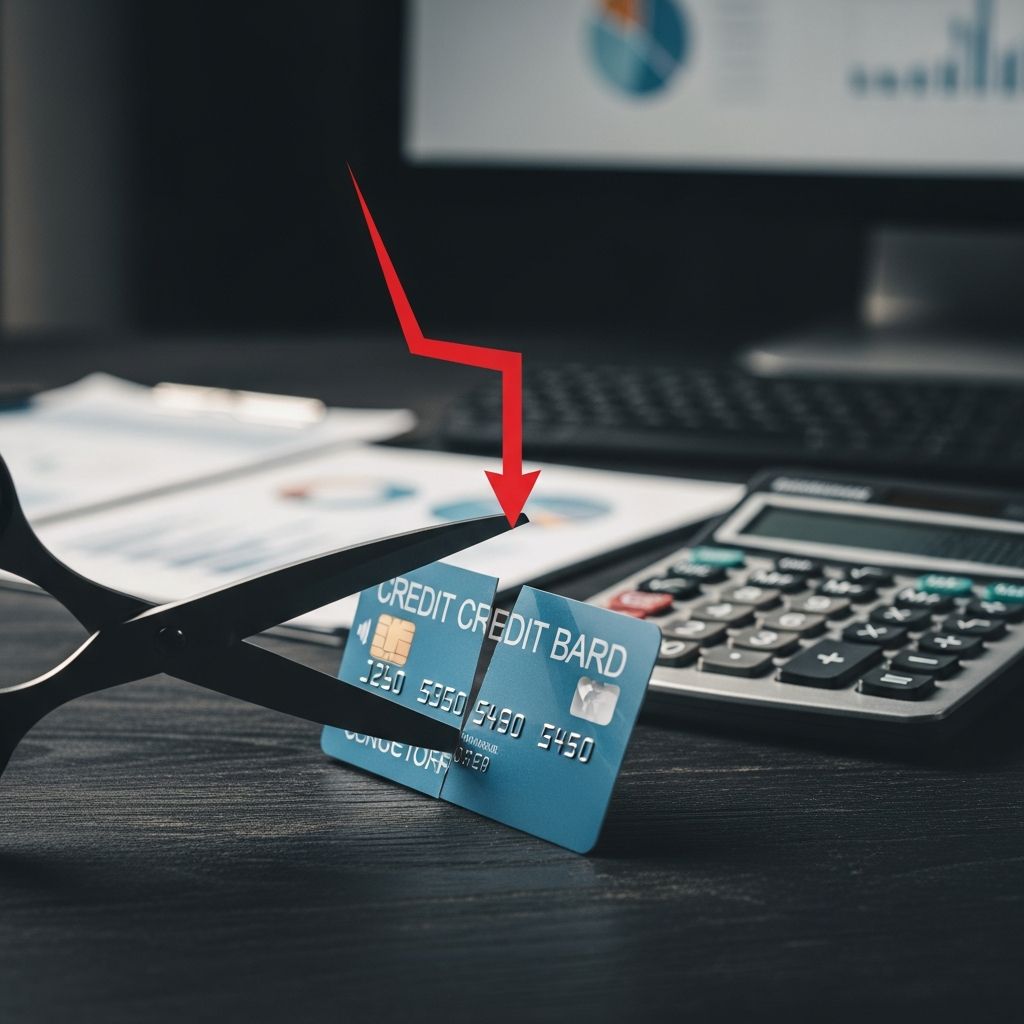
Sudden reductions in your credit card limits can disrupt your financial plans and harm your credit profile. These changes often stem from lender risk assessments but require prompt action to mitigate damage. This article outlines causes, consequences, and recovery tactics based on established credit practices.
Understanding Why Lenders Cut Credit Limits
Credit card issuers frequently adjust limits to manage their exposure to potential losses. Common triggers include changes in your payment patterns, economic shifts, or broader portfolio reviews by the bank. For instance, issuers may lower limits if they detect inactivity on the account, reallocating credit to more active users. Economic uncertainty, like during the COVID-19 period, has also prompted widespread reductions as lenders tighten controls.
Your overall credit standing plays a key role. Lenders evaluate factors such as income fluctuations, recent credit inquiries, or missed payments. Even responsible borrowers with on-time payments can face cuts if the issuer perceives increased risk from external data sources. Unlike fixed loans, revolving credit like credit cards allows issuers flexibility to alter limits without prior notice, unless contractually restricted.
- Inactivity: Unused cards may see limits reduced to free up capital.
- Risk signals: High utilization elsewhere or new debt can trigger reviews.
- Macro factors: Recessions or industry trends influence decisions.
The Direct Hit on Your Credit Score
A lower credit limit primarily affects your credit utilization ratio, a critical component of scoring models like FICO and VantageScore. This ratio measures balances against available credit; ideal levels stay under 30%, with under 10% optimal. Reducing available credit while balances remain constant spikes utilization, potentially dropping scores significantly.
Consider this example: With $5,000 debt across $10,000 total limits, utilization is 50%. A $3,000 cut on one card raises it to 42% on $7,000 limits, even without added spending. Scores may fluctuate based on timing—changes in balances or other accounts can offset or amplify the effect. Closed accounts from limit reductions linger on reports, aiding history length but hurting utilization if not managed.
| Scenario | Total Limit | Balance | Utilization % | Score Impact |
|---|---|---|---|---|
| Before Cut | $10,000 | $2,500 | 25% | Stable/Positive |
| After $3K Cut | $7,000 | $2,500 | 36% | Likely Drop |
| Pay Down to $1K | $7,000 | $1,000 | 14% | Recovery |
Both per-card and aggregate utilization matter; issuers report monthly, so timing aligns with statement cycles. Requesting your own limit decrease mirrors this harm, as it shrinks available credit.
Immediate Steps to Take After Notification
Upon receiving notice of a limit drop, act swiftly to assess and stabilize. First, review the notification for reasons provided—many issuers disclose triggers like risk models or policy changes.
- Contact the issuer: Call to inquire about reversal possibilities. Explain recent positive changes, such as stable income or reduced debt. Provide updated financials if applicable.
- Check balances: Pay down immediately to lower utilization. Aim to keep post-cut ratios below 30%.
- Monitor reports: Pull free weekly reports from AnnualCreditReport.com to verify the change and spot errors.
Avoid maxing out the reduced limit, as this signals distress and invites further scrutiny. Document all issuer communications for disputes if needed.
Strategies to Safeguard and Restore Your Credit
Long-term recovery focuses on utilization control and profile strengthening. Diversify credit sources to buffer single-account changes—multiple cards spread risk.
- Request limit increases on other accounts with good history, but space requests to minimize inquiries.
- Maintain low balances across all revolving debt; pay twice monthly if carrying any.
- Build payment history by automating bills, as it’s the top scoring factor.
Rebuild by seeking secured cards or credit-builder loans if limits remain constrained. These add positive history without high risk. Track progress monthly via free score tools from issuers or bureaus.
Preventing Future Reductions Proactively
Proactive habits reduce reduction risks. Use cards regularly but lightly—10-20% utilization shows activity without overuse. Update issuers with income or life changes promptly to reflect improved standing.
Diversify issuers to avoid over-reliance on one. During economic stress, consolidate low-balance cards to active ones, preserving total limits. Monitor for presage signs like skipped rewards or account reviews via statements.
Common Myths About Limit Changes
Misconceptions abound. Myth: Only delinquents face cuts—reality: Even perfect payers can see changes from algorithmic reviews. Myth: Closing unused cards helps—actually, it often worsens utilization. Myth: Scores rebound instantly post-paydown—no, it takes until next reporting cycle.
Frequently Asked Questions
Can I dispute a credit limit decrease?
Yes, contact the issuer first. If unresolved, file with the CFPB or credit bureaus if inaccuracies exist. Provide evidence of responsible use.
How long do limit drops affect scores?
Impact varies; one-two months typical if utilization drops quickly. Accounts stay on reports 7-10 years if closed.
Should I stop using the card?
No, light use prevents further inactivity cuts. Focus on paying to zero before statements close.
Does it affect other lenders?
Possibly indirectly via score drop or reports. One issuer’s action rarely triggers others immediately.
What’s ideal utilization post-drop?
Under 10% best; never exceed 30% aggregate.
Advanced Tactics for High Limit Recovery
For severe cases, consider balance transfers to 0% APR cards, freeing cash for paydowns. Negotiate with issuers by referencing competitors’ offers, leveraging loyalty. Long-term, boost income documentation—recent pay stubs aid reinstatement requests.
Utilize tools like credit monitoring apps for alerts on changes. In portfolio reviews, issuers batch-adjust; timing new applications post-stabilization helps.
References
- How credit limit decreases can affect your score — myFICO. 2023. https://www.myfico.com/credit-education/credit-scores/credit-limit-decrease-affect-fico-score
- Can Credit Limits Be Reduced? Reasons, Prevention & Credit Score — MyCVCU. 2024. https://www.mycvcu.org/blog/can-your-credit-limit-decrease
- Can a Credit Limit Decrease Hurt Your Credit Score? — Experian. 2024. https://www.experian.com/blogs/ask-experian/can-credit-limit-decrease-hurt-credit-scores/
- How Will a Lowered Credit Limit Affect My Credit Scores? — Equifax. 2024. https://www.equifax.com/personal/education/credit/score/articles/-/learn/lowered-credit-limit-credit-scores/
- Does Requesting a Lower Credit Limit Hurt My Credit Score? — Experian. 2024. https://www.experian.com/blogs/ask-experian/requesting-lower-credit-limits-could-hurt-scores/
- What To Do If Your Credit Card Issuer Lowered Your Limit — Bankrate. 2024. https://www.bankrate.com/credit-cards/issuers/how-to-prevent-your-credit-limit-from-being-lowered/
- What to do if your credit card issuer lowers your credit limits — VantageScore. 2024. https://vantagescore.com/resources/knowledge-center/did-you-know-what-to-do-if-your-credit-card-issuer-lowers-your-credit-limits
Similar Articles








Read full bio of medha deb