Are Credit Karma Scores Real and Accurate?
Understanding Credit Karma's legitimacy and accuracy in credit scoring.
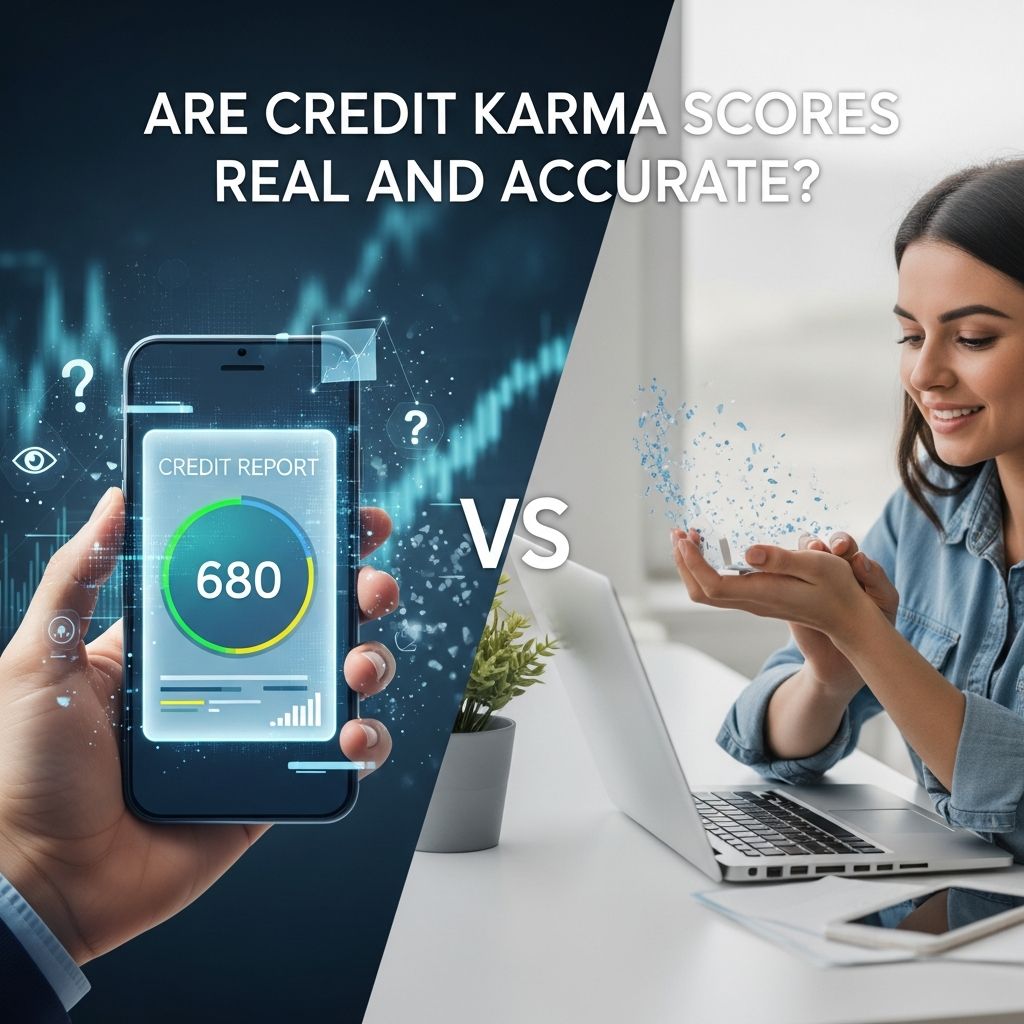
Credit Karma has become one of the most popular free credit monitoring services in the United States, with millions of users relying on it to track their credit health. However, many consumers wonder whether the credit scores provided by Credit Karma are legitimate and if they accurately reflect their true creditworthiness. This is an important question, as credit scores play a crucial role in determining loan approvals, interest rates, and overall financial opportunities. Understanding the legitimacy and accuracy of Credit Karma scores is essential for making informed financial decisions.
What Is Credit Karma and How Does It Work?
Credit Karma is a free online credit monitoring and financial management platform that provides users with access to their credit scores and credit reports without charge. The service was founded in 2007 and has since grown to become one of the most widely used credit monitoring services in the country. Credit Karma operates as a for-profit company that generates revenue through affiliate partnerships and targeted financial product recommendations.
The platform works by aggregating credit information from the three major credit bureaus: Equifax, Experian, and TransUnion. Users can log into their Credit Karma accounts and view their credit reports and scores at no cost. The service also provides credit monitoring alerts, personalized product recommendations, and financial education resources to help users improve their credit health.
Understanding Credit Score Models
To determine whether Credit Karma scores are accurate, it’s important to understand that multiple credit scoring models exist. The most widely used model is the FICO score, which was developed by Fair Isaac Corporation and is used by the vast majority of lenders when making credit decisions. However, Credit Karma provides Vantage Score, which is an alternative credit scoring model developed collaboratively by the three major credit bureaus.
Key differences between credit scoring models include:
- FICO scores range from 300 to 850, while Vantage Scores range from 300 to 850 as well
- The two models weigh credit factors differently, resulting in different score calculations
- FICO scores are more widely used by lenders and financial institutions
- Vantage Scores have been gaining acceptance among lenders in recent years
- The algorithms used to calculate each score differ significantly
Are Credit Karma Scores Real?
Yes, Credit Karma scores are real in the sense that they are legitimate credit scores generated from actual credit data maintained by the three major credit reporting bureaus. The scores are not made up or fictional; they are calculated based on real information about your payment history, credit utilization, length of credit history, and other factors that appear in your credit reports.
However, it’s important to clarify that Credit Karma scores are Vantage Scores, not FICO scores. While both are legitimate credit scoring models, they are not identical, and lenders may not use Vantage Scores when making lending decisions. When you apply for a mortgage, auto loan, or credit card, lenders typically pull your FICO score, not your Vantage Score. This distinction is crucial for understanding the practical value of Credit Karma scores in the lending process.
How Accurate Are Credit Karma Scores?
Credit Karma scores are generally accurate representations of your credit profile as measured by the Vantage Score model. The scores are calculated from the same underlying credit data that lenders use, and they update regularly as new information is reported to the credit bureaus. In this sense, Credit Karma provides reliable information about your creditworthiness according to the Vantage Score model.
However, the accuracy question becomes more complex when you consider that most lenders use FICO scores rather than Vantage Scores. Research has shown that Vantage Scores and FICO scores often differ by 50 or more points. Your Credit Karma score might show you as having good credit, while your actual FICO score—the one lenders will see—might be lower. This discrepancy means that while Credit Karma scores are accurate in their own right, they may not accurately predict how lenders will evaluate your creditworthiness.
Factors that can cause differences between Credit Karma and FICO scores:
- Different weighting of payment history, credit utilization, and other factors
- Different scoring algorithms and calculation methods
- Variations in how each model handles recent credit inquiries
- Different treatments of authorized user accounts
- Variations in how credit age is factored into the score
The Differences Between Vantage Scores and FICO Scores
Understanding the differences between Vantage Scores and FICO Scores is essential for properly interpreting your Credit Karma scores. While both are legitimate credit scoring models, they operate differently and can produce significantly different results for the same consumer.
FICO scores have been the industry standard for decades and are used by approximately 90% of lenders when making credit decisions. They were developed by Fair Isaac Corporation and have undergone multiple iterations, with FICO 8 being the most commonly used version, though newer versions like FICO 9 and FICO 10 have been developed. FICO scores give substantial weight to payment history and amounts owed, making these factors critical to your overall score.
Vantage Scores were developed more recently as a collaborative effort between the three major credit reporting bureaus. They have been designed to be more consumer-friendly and to provide accurate assessments for consumers with thinner credit files. Vantage Scores have different weighting than FICO scores and may actually be more forgiving in some aspects of credit evaluation. However, because most lenders still rely on FICO scores, Vantage Scores remain less directly relevant to actual lending decisions.
Why Credit Karma Is Free
Many consumers wonder how Credit Karma can afford to offer free credit monitoring and scoring services. The answer lies in the company’s business model. While the credit scores and monitoring features are free to users, Credit Karma generates revenue through affiliate partnerships and financial product recommendations.
When users are offered credit cards, personal loans, or other financial products through Credit Karma’s platform, the company earns a commission when users apply for these products. Additionally, Credit Karma aggregates anonymized data about user credit profiles and financial behaviors, which can be valuable to financial institutions. This business model allows the company to maintain free services while still generating significant revenue.
Understanding this business model is important because it means Credit Karma has an incentive to encourage users to apply for financial products through their platform. While the credit information provided is accurate, the product recommendations may not always be in the user’s best interest.
How to Use Credit Karma Effectively
While Credit Karma scores may not be the same as FICO scores, the service can still be valuable for monitoring your credit health and identifying areas for improvement. Here’s how to use Credit Karma effectively:
- Monitor your credit for fraud: Regular monitoring can help you identify unauthorized accounts or suspicious activity early
- Track credit improvements: While the scores may differ from FICO, improvements in Vantage Scores typically indicate improvements in your overall credit profile
- Access your credit reports: Credit Karma provides access to your actual credit reports from all three bureaus, which is valuable for identifying errors
- Identify credit factors: The platform shows which factors are positively and negatively impacting your score
- Get alerts: Set up alerts to be notified of significant changes to your credit profile
- Use educational resources: Credit Karma provides articles and guides on credit building and financial management
Checking Your Official FICO Scores
If you want to know your actual FICO score—the score lenders will likely see—you have several options. Many credit card companies and banks now provide free FICO scores to their customers. You can check if your financial institution offers this benefit through your online banking portal or by calling customer service.
Additionally, you can access your free FICO scores through annualcreditreport.com, which is the official government-mandated source for free credit reports. Some financial institutions and services also offer free FICO scores to users. By checking your official FICO scores alongside your Credit Karma scores, you can get a more complete picture of how lenders will likely evaluate your creditworthiness.
Credit Report Accuracy and Disputes
Regardless of whether you’re using Credit Karma or checking official FICO scores, it’s important to regularly review your credit reports for errors. Credit reports can contain inaccurate information, and disputing these errors can potentially improve your credit score. Under the Fair Credit Reporting Act, you have the right to dispute any information on your credit report that you believe to be inaccurate.
If you find errors in your credit reports through Credit Karma or any other source, you should file a dispute with the relevant credit bureau. The credit bureau has 30 days to investigate your claim and correct any errors. Removing inaccurate negative information can significantly improve your credit score and your chances of qualifying for better loan terms.
Factors That Impact Your Credit Score
Both Credit Karma (Vantage Score) and FICO scores take into account similar credit factors, though they may weight them differently. Understanding these factors can help you improve your overall credit profile:
- Payment History: Your track record of making on-time payments is the most important factor in credit scoring
- Credit Utilization: The percentage of available credit you’re currently using affects your score
- Length of Credit History: How long you’ve had credit accounts matters
- Credit Mix: Having different types of credit (cards, loans, etc.) can positively impact your score
- New Credit Inquiries: Hard inquiries from applying for credit can temporarily lower your score
Frequently Asked Questions
Q: Is Credit Karma legitimate?
A: Yes, Credit Karma is a legitimate company that provides real credit scores and credit monitoring. However, it’s important to remember that Credit Karma provides Vantage Scores, not FICO scores, which are what most lenders use. The company generates revenue through affiliate partnerships and product recommendations.
Q: Will my Credit Karma score be the same as my FICO score?
A: No, your Credit Karma score (Vantage Score) will likely differ from your FICO score. Differences of 50 points or more are not uncommon because the two models use different algorithms and weight credit factors differently. It’s important to check both your Vantage Score and FICO score for a complete picture.
Q: Can I trust Credit Karma’s credit monitoring?
A: Credit Karma’s credit monitoring is reliable for tracking changes to your credit reports and identifying potential fraud. However, you should also monitor your credit through other channels and regularly check your official credit reports from annualcreditreport.com.
Q: Should I apply for products recommended by Credit Karma?
A: You should evaluate product recommendations carefully. While Credit Karma’s recommendations may be based on your credit profile, remember that the company earns revenue when you apply. Make sure any product aligns with your financial goals and interests before applying.
Q: How often does Credit Karma update my credit score?
A: Credit Karma typically updates your credit score and information daily. However, this depends on when the credit bureaus report new information. You can expect to see updates at least weekly in most cases.
Q: Is it safe to use Credit Karma?
A: Credit Karma uses encryption and security measures to protect your personal information. However, as with any online service, it’s important to use strong passwords and monitor your account for unauthorized access. The service was acquired by Intuit in 2020, adding an additional layer of institutional backing.
Q: How do I get my free credit report without using Credit Karma?
A: You can access your free credit reports directly from annualcreditreport.com, which is the official government-mandated website. You’re entitled to one free report from each of the three credit bureaus every 12 months.
Conclusion
Credit Karma scores are real and accurate as Vantage Scores, but they are not the same as FICO scores that most lenders use. While Credit Karma can be a valuable tool for monitoring your credit health, tracking improvements, and identifying fraud, you should not rely solely on Credit Karma scores when assessing your creditworthiness for lending purposes. The best approach is to use Credit Karma as part of a comprehensive credit monitoring strategy that also includes checking your official FICO scores and reviewing your complete credit reports from all three bureaus. By understanding the differences between Vantage Scores and FICO scores, and by actively managing your credit profile, you can make more informed financial decisions and work toward achieving better credit outcomes.
References
- Fair Credit Reporting Act — U.S. Federal Trade Commission. 2024. https://www.ftc.gov/business-guidance/privacy-credit-reporting-act
- Annual Credit Report — AnnualCreditReport.com (Official Government Source). 2024. https://www.annualcreditreport.com
- Understanding Your Credit Score — Consumer Financial Protection Bureau. 2024. https://www.consumerfinance.gov
- How Credit Scores Work — Federal Reserve. 2024. https://www.federalreserveeducation.org/
Similar Articles








Read full bio of Sneha Tete