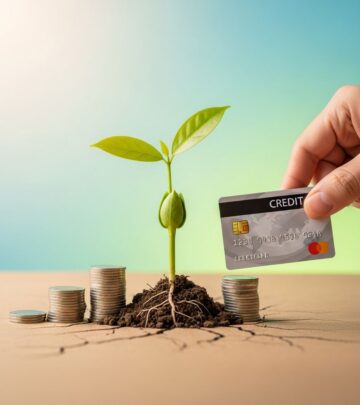
Starting Your Credit Journey With Zero History
Learn practical pathways to establish creditworthiness without prior credit experience

Establishing a credit profile when you have no prior lending history can feel intimidating, but it’s entirely achievable with the right approach and patience. Many people—particularly young adults and immigrants—face this exact situation and successfully build strong credit scores over time. Understanding your options and implementing a strategic plan transforms what seems like a barrier into an opportunity to demonstrate financial responsibility.
Understanding Why Credit History Matters
Before exploring solutions, it’s important to grasp why lenders care about your credit history. A credit score, typically ranging from 300 to 850, represents your creditworthiness and helps lenders assess risk. Scores above 670 are generally considered good. Your credit profile influences the interest rates you receive, the credit limits offered, and even your eligibility for certain loans or rental agreements. Starting to build credit early provides long-term financial advantages.
The Foundation: Key Factors That Shape Your Credit Profile
Your credit score isn’t determined by a single factor. Instead, multiple elements work together to create your overall profile. Understanding these components helps you make intentional decisions that support your credit-building goals.
- Payment history — Your track record of paying bills on time is the most influential factor
- Amounts owed — How much credit you’re using relative to your available limits matters significantly
- Length of credit history — Longer credit relationships generally strengthen your profile
- New credit inquiries — Recent applications for credit can temporarily impact your score
- Credit mix — Demonstrating you can manage different types of credit accounts is valuable to lenders
Pathway One: Secured Credit Cards
A secured credit card represents an accessible entry point for people with no credit history. Unlike traditional cards, secured cards require you to deposit funds into a savings account, which becomes your credit limit. This deposit protects the lender while you build your payment history.
The mechanics are straightforward: you deposit money, receive a card with a matching credit limit, and use it for regular purchases. When you make on-time payments consistently, you establish a positive payment history. After several months of responsible use—typically 6 to 12 months—you may become eligible to graduate to an unsecured card with better terms and your deposit returned.
Key advantages of secured cards include:
- Minimal approval requirements compared to traditional cards
- Direct path to demonstrating payment reliability
- Potential to graduate to better card products over time
- Your deposit remains yours and earns interest with some issuers
Pathway Two: Credit-Builder Loans
A credit-builder loan takes a different approach to establishing credit. Rather than borrowing money upfront for a purchase, the lender holds your loan amount in a savings account while you make monthly payments. Once you complete the repayment term, you receive access to the full principal amount you’ve paid.
These loans typically range from $300 to $1,000 with repayment terms spanning 6 to 24 months. This structure creates a win-win scenario: you build credit while simultaneously saving money. Some lenders, like those offering specialized credit-builder products, even reimburse a portion of interest fees if you maintain perfect payment records.
The primary benefit is that your monthly payments are reported to all major credit bureaus, creating an official record of responsible borrowing. Make certain your chosen lender reports to Experian, TransUnion, and Equifax, as not all do.
Pathway Three: Becoming an Authorized User
If someone with established credit—a family member or trusted friend—is willing to add you to their credit card account, this can accelerate your credit-building timeline. As an authorized user, their positive payment history and account management practices may benefit your credit profile.
This approach offers several advantages. You gain immediate credit history without needing to qualify independently. The primary cardholder’s responsible behavior (low utilization, on-time payments) can positively influence your score. However, this method requires trust and should only be pursued with someone financially reliable, as their negative behaviors would similarly impact your credit.
Pathway Four: Student Credit Cards
For college students, specialized student credit cards offer features designed for building credit without prior history. Unlike secured cards, student cards typically don’t require a deposit. Many also provide educational resources and rewards programs that encourage responsible credit habits.
These cards often come with lower credit limits and may have fewer perks than premium cards, but they’re specifically designed for your situation. They acknowledge your status as a student building credit for the first time.
Pathway Five: Hybrid Debit-Credit Cards
Debit-credit hybrid cards represent a newer option for credit-building. These cards combine features of both debit and credit accounts. Most require no credit check to open and offer more flexibility than traditional secured cards. Some may require a security deposit, but generally provide more favorable terms than secured alternatives.
These emerging products fill a middle ground between traditional debit cards and full credit products, making them worth exploring as you evaluate options.
Pathway Six: Installment Loans for Necessary Purchases
If you’re planning to make a significant purchase—buying a car, paying for education, or financing a home—an installment loan serves double duty. Auto loans, mortgage loans, and student loans all contribute to your credit profile when managed responsibly.
The key principle: only take out installment loans for genuine needs, not solely to build credit. However, if you’re already planning to finance a purchase, leveraging that opportunity to establish credit simultaneously creates additional value.
Different loan types offer different benefits. Student loans help cover education costs while building history. Auto loans demonstrate your ability to manage secured debt with collateral. Personal or secured loans backed by savings accounts provide intermediate options.
Building Credit Without Credit Cards
While credit cards are popular tools, alternative pathways exist for those who prefer to avoid them. Rent payment reporting allows you to include housing costs in your credit profile if your landlord reports to credit bureaus. Some services now facilitate formal rent reporting even when landlords don’t participate.
Specialized services like Experian Go enable you to connect bank account data to your credit report, demonstrating responsible management of everyday finances. These emerging options expand possibilities beyond traditional credit products.
Strategic Principles for Credit-Building Success
Regardless of which pathway you choose, fundamental principles drive success:
| Principle | Action | Impact |
|---|---|---|
| On-Time Payments | Pay at least the minimum due by the deadline every month | Directly influences your payment history, the most important credit factor |
| Low Utilization | Keep your credit usage below 30% of available limits | Shows you can access credit responsibly without overextending |
| Diverse Credit Mix | Combine revolving credit (cards) with installment accounts (loans) | Demonstrates competence managing different credit types |
| Steady Account Maintenance | Keep accounts open and active even after paying them down | Longer credit history strengthens your overall profile |
| Monitoring and Review | Check your credit report annually and watch for errors | Allows early correction of issues and tracks progress |
Starting Small With Your First Credit Card
Once you’ve obtained your first card—whether secured or student—use it strategically. Make small, everyday purchases you can comfortably afford: groceries, gas, coffee. The goal is creating regular, observable transaction history, not maximizing spending.
Pay your entire balance each month. This demonstrates financial responsibility and helps you avoid interest charges. You don’t need to carry a balance to build credit; in fact, paying in full is the optimal approach.
Realistic Timeline Expectations
Building credit from scratch takes time. You won’t achieve an excellent score immediately, but consistent, responsible behavior compounds over months and years. Most credit bureaus require several months of payment history before generating a score. Reaching “good” territory typically requires 6 to 12 months of responsible management.
This timeline might feel slow, but it reflects lenders’ need to observe your behavior over time. Trust is earned gradually, and credit scores reflect that reality.
Common Mistakes to Avoid
Understanding what damages credit helps you protect your progress:
- Late payments — Missing deadlines or paying late significantly harmed credit scores and take years to recover from
- Maxing out credit limits — High utilization signals financial stress and reduces your score
- Closing old accounts — Shutting down credit accounts shortens your average account age and reduces available credit
- Multiple simultaneous applications — Applying for several credit products in a short period signals desperation and triggers inquiry penalties
- Ignoring your credit report — Errors go uncorrected and inaccuracies can significantly harm your score
Long-Term Credit Maintenance
Once you’ve established credit, maintaining it requires ongoing attention. Continue paying all bills on time—not just credit accounts but utilities, insurance, and other obligations. Keep credit utilization low across all accounts. Monitor your credit report regularly for errors or signs of fraud.
Building credit is like tending a garden; consistent upkeep proves essential for long-term health. The good credit you establish now opens doors to better loan terms, lower interest rates, and improved financial opportunities throughout your life.
Evaluating Your Personal Situation
Your optimal credit-building strategy depends on your specific circumstances. Students might prioritize student credit cards. Those planning major purchases should leverage installment loans. People with supportive family or friends might explore authorized user status. Self-employed individuals or those preferring loans might focus on credit-builder products.
Assess your financial situation, timeline, and comfort level with different credit types. What works perfectly for one person might not suit another. The best strategy is one you can commit to and sustain over the necessary timeframe.
Moving Forward With Confidence
Having no credit history feels like a disadvantage, but it’s actually an opportunity to start fresh with sound financial habits. You’re beginning with a blank slate, allowing you to make intentional decisions from day one. By selecting an appropriate credit-building pathway, maintaining consistent responsible behavior, and staying patient through the establishment process, you’ll develop a strong credit profile that serves your financial goals for decades.
References
- How to Build Credit: A Comprehensive Guide — Experian. 2024. https://www.experian.com/blogs/ask-experian/credit-education/improving-credit/building-credit/
- How to Build Your Credit Successfully — Intuit. 2025. https://www.intuit.com/blog/innovative-thinking/financial-tips/build-credit/
- How to Build Credit from Scratch — Alltru Credit Union. 2024. https://alltrucu.org/blog/how-to-build-credit-from-scratch/
- How to Build Credit from Scratch: 4 Things to Know — Global Credit Union. 2024. https://www.globalcu.org/learn/credit/how-to-build-credit/
- How To Build Credit as a First-Timer — Fidelity Bank. 2024. https://www.fidelitybankonline.com/how-to-build-credit-a-guide-for-beginners/
Similar Articles








Read full bio of Sneha Tete