Credit Journey’s Score Impact: What You Need To Know
Discover if monitoring your credit with tools like Credit Journey influences your credit score and learn key factors for better scores.

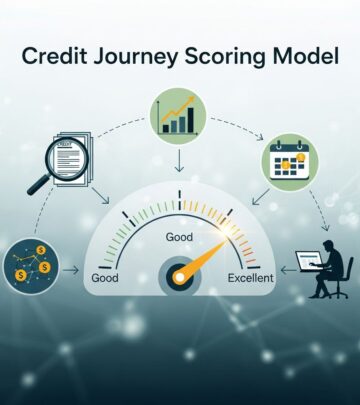
Monitoring tools like Credit Journey provide valuable insights into your credit profile without directly altering your score. These services access your credit report through soft inquiries that lenders do not see, ensuring no negative impact on your FICO or VantageScore ratings.
Understanding Credit Monitoring Basics
Credit monitoring platforms aggregate data from major bureaus such as Equifax, Experian, and TransUnion to deliver real-time updates on your financial standing. They track changes in balances, new accounts, and inquiries, helping users stay proactive about their credit health. Unlike hard inquiries triggered by loan applications, soft pulls remain invisible to most scoring models and do not factor into calculations.
Users often worry that frequent checks could signal risk to lenders, but evidence shows these tools are designed to be score-neutral. For instance, services integrated with banking apps emphasize transparency, confirming that viewing your own report carries zero penalty.
Core Elements Shaping Your Credit Score
Credit scores, primarily calculated via FICO or VantageScore models, rely on five weighted categories derived from your credit report. Payment history dominates at 35%, followed closely by amounts owed at 30%.
| Factor | FICO Weight | VantageScore Weight | Key Influences |
|---|---|---|---|
| Payment History | 35% | 40% | On-time payments, delinquencies, collections |
| Amounts Owed | 30% | 20% | Utilization ratio, total debt |
| Length of History | 15% | 21% | Age of accounts, average age |
| New Credit | 10% | 5% | Recent inquiries, new accounts |
| Credit Mix | 10% | 10% | Variety of revolving and installment credit |
This table illustrates the relative importance, with FICO data from official models confirming these distributions. Variations exist between models, but consistency in priorities holds across providers.
Payment History: The Foundation
Timely payments form the bedrock of a strong score, accounting for over a third of your rating. Bureaus record every transaction, flagging late payments that linger for up to seven years. Even a single 30-day delay can drop scores significantly, emphasizing the need for automated reminders or autopay setups. Positive history builds trust, enabling access to premium financial products.
Debt Levels and Utilization Ratios
Your total balances relative to limits, known as utilization, signals financial discipline. Ideal ratios stay below 30%, as high usage suggests overextension. Pay down revolving debt strategically to optimize this factor without closing accounts, which could shorten history length.
Building a Longer Credit Timeline
The duration of your credit accounts provides lenders with a track record of responsibility. Older profiles benefit from established patterns, so retain longstanding cards even if unused. New users can start with secured options to establish history gradually.
Navigating New Credit Applications
Recent activity, including inquiries and openings, comprises 10% of FICO scores. Multiple hard pulls in a short window may indicate desperation, temporarily lowering scores. Space applications and limit to necessities to minimize impact.
Diversifying Your Credit Portfolio
A balanced mix of credit types demonstrates versatility in managing finances. Combining installment loans like mortgages with revolving cards bolsters this category without requiring unnecessary debt. Avoid forcing diversity solely for scores; focus on genuine needs.
Practical Strategies to Elevate Your Score
- Automate Payments: Set up direct debits to eliminate late fees and build flawless history.
- Reduce Balances: Target high-utilization cards first, aiming for under 10% overall for maximum gains.
- Retain Old Accounts: Keep veteran cards active with small, regular charges to preserve history length.
- Limit Applications: Research prequalification options using soft pulls before formal requests.
- Monitor Regularly: Use free tools to catch errors or fraud early, disputing inaccuracies promptly.
Implementing these steps can yield noticeable improvements within months, particularly for those starting from fair ranges (580-669).
Common Myths About Credit Tools
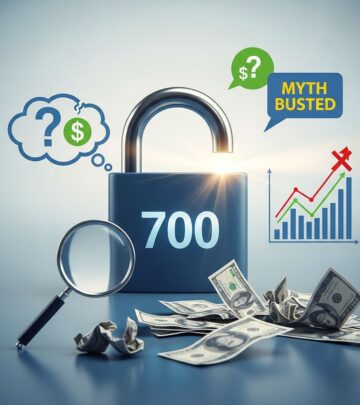
Many believe checking scores dings them, but self-monitoring via soft inquiries does not. Another misconception: closing unused cards helps; actually, it may hike utilization and shorten history. Credit building requires patience, not shortcuts like paid services promising instant boosts.
Score Ranges and Implications
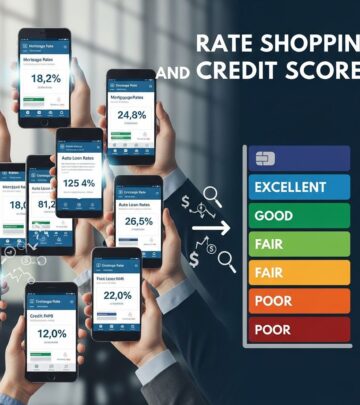
Scores typically span 300-850, with superior ratings (740+) unlocking prime rates.
- Exceptional (800+): Best terms, lowest rates.
- Very Good (740-799): Competitive offers.
- Good (670-739): Solid approvals.
- Fair (580-669): Higher rates, limited options.
- Poor (<580): Challenges in qualification.
Understanding your tier guides realistic expectations for loans or cards.
Frequently Asked Questions
Does using Credit Journey lower my score?
No, it employs soft inquiries invisible to scoring algorithms.
How long do late payments haunt my score?
Up to seven years, though impact fades over time with positive behavior.
Should I close old credit cards?
Generally no, as it affects utilization and history length negatively.
What’s a healthy utilization rate?
Below 30%, ideally under 10% for optimal results.
Can I improve my score quickly?
Yes, via on-time payments and debt reduction, often seeing changes in 30-45 days.
Advanced Tips for Score Optimization
Beyond basics, request credit limit increases on low-utilization accounts to dilute ratios further. Become an authorized user on a trusted family member’s excellent card for inherited positive history, ensuring the primary user maintains perfection. Regularly review reports from all three bureaus for discrepancies, as scores may vary slightly per model.
For those with thin files, secured cards or credit-builder loans establish foundations safely. Track progress monthly, adjusting habits based on trends. Over time, disciplined management compounds into exceptional ratings, reducing borrowing costs substantially.
In today’s financial landscape, proactive credit stewardship empowers better decisions. Tools like monitoring apps demystify the process, fostering habits that yield long-term gains without hidden pitfalls.
References
- The 5 Factors that Make Up Your Credit Score — Freddie Mac. 2023. https://myhome.freddiemac.com/blog/financial-education/credit-score-factors
- Factors That Affect Your Credit Score — Regions Bank. 2024. https://www.regions.com/insights/personal/article/credit-score-meaning-the-factors-that-affect-your-credit-score
- What Factors Affect Your Credit Scores? — NerdWallet. 2025. https://www.nerdwallet.com/finance/learn/what-makes-up-credit-score
- 5 Key Factors That Impact Your Credit Score — Provident Credit Union. 2024. https://providentcu.org/blog/news/5-key-factors-that-impact-your-credit-score
- Factors That Influence Your Credit Score — Nebraska Bank. 2023. https://www.ne.bank/factors-that-influence-your-credit-score
- What is a Credit Score? Factors, Types & More — Intuit. 2024. https://www.intuit.com/blog/innovative-thinking/what-is-credit-score/
- How are FICO Scores Calculated? — myFICO. 2025. https://www.myfico.com/credit-education/whats-in-your-credit-score
Similar Articles








Read full bio of Sneha Tete