Understanding Credit Invisibility vs Poor Credit History
Explore why lacking credit history differs from damaged credit and recovery paths
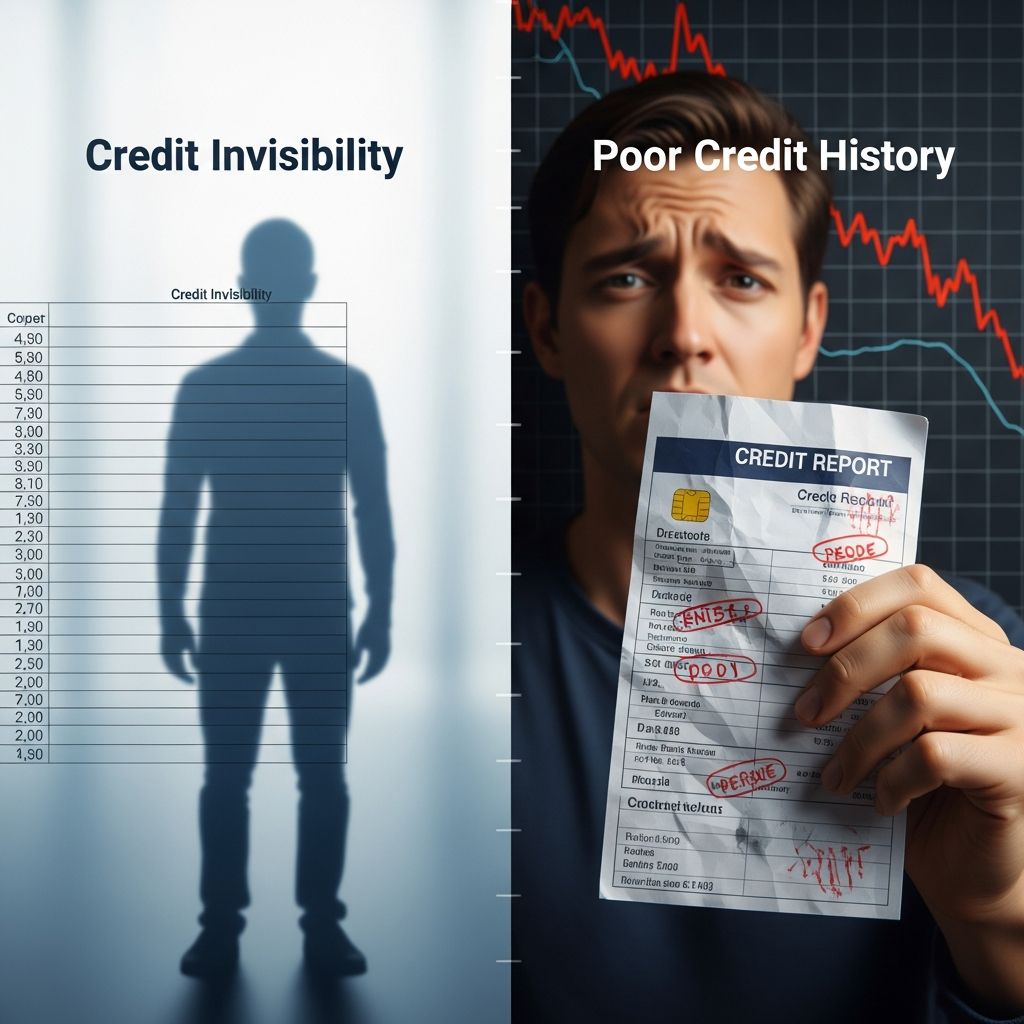
When financial institutions evaluate borrowing applications, they rely heavily on credit history to assess risk. However, not all applicants face identical obstacles. Two distinct situations—having no credit history and having poor credit—create fundamentally different challenges despite sometimes appearing similar on the surface. Understanding these differences is essential for anyone navigating the lending landscape, whether you’re a young adult establishing financial independence, a recent immigrant, or someone working to recover from past financial difficulties.
Defining Credit Invisibility and Damaged Credit
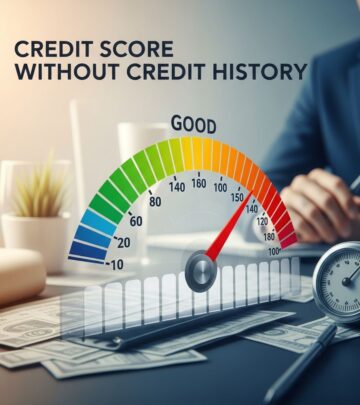
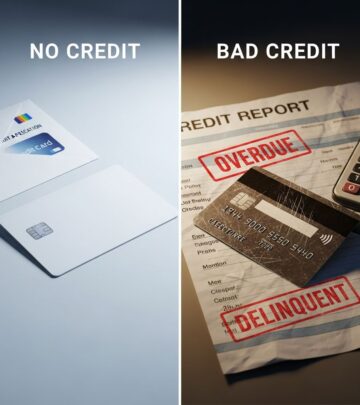
Credit invisibility describes a state where someone has minimal or no borrowing history recorded by the major credit reporting agencies. According to the Consumer Financial Protection Bureau, approximately 26 million Americans fall into this category, often referred to as “credit invisible.” These individuals may never have applied for a credit card, taken out a loan, or established any formal credit relationship. When lenders attempt to generate a credit score for someone in this position, they cannot—not because the score is zero, but because insufficient data exists to calculate one.
Poor or bad credit, by contrast, represents a situation where substantial borrowing history exists, but that history contains negative marks. This might include late payments, missed payment obligations, charge-offs where creditors have written off accounts as losses, collection accounts, or bankruptcy filings. On the standard credit score scale ranging from 300 to 850, scores below 600 are generally classified as poor or bad. These individuals have demonstrated borrowing activity, but that activity reveals patterns of mismanagement or inability to meet obligations.
The Recovery Timeline Difference
Perhaps the most significant distinction between these two situations lies in the time required to achieve financial recovery. Someone with no credit history can establish a usable credit score within approximately six months by engaging in regular borrowing and demonstrating consistent on-time payments. This relatively quick timeline exists because building credit requires only establishing positive payment patterns; there are no previous mistakes to overcome.
Poor credit, however, presents a longer recovery journey. Negative marks remain on credit reports for extended periods. Late or missed payments typically remain visible for seven years, as do charge-offs and collection accounts. While the impact of these negative items diminishes over time, they continue influencing credit calculations throughout their reporting period. Consequently, rebuilding from poor credit often requires years rather than months, extending the path to financial rehabilitation significantly.
Lender Perspectives and Risk Assessment
Financial institutions approach credit invisibility and poor credit differently because the information available to them differs substantially. When evaluating someone with no credit history, lenders face genuine uncertainty. They possess no concrete evidence of whether this applicant will responsibly manage borrowed funds. This uncertainty creates hesitation, as lenders prefer measurable information over speculation.
Poor credit, conversely, provides clear evidence of past behavior. Lenders can point to specific instances where obligations went unmet. While this negative information creates reluctance to extend credit, it represents definitive information rather than mere absence of data. Paradoxically, some lenders find poor credit less concerning than no credit because at least the risk profile is understood, even if unfavorable.
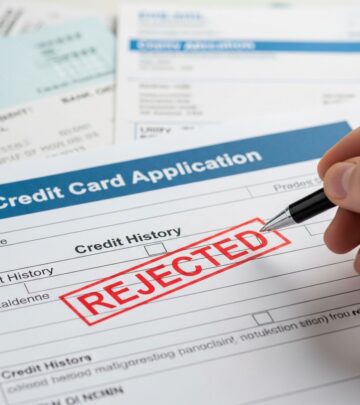
This distinction manifests in approval rates and terms. Applicants with no credit might face rejection from mainstream lenders entirely, while those with poor credit might receive approval but at substantially elevated interest rates reflecting perceived risk. Some lenders specialize specifically in poor credit scenarios because they’ve developed experience evaluating and managing such borrowers.
Practical Obstacles in Daily Financial Life
Both credit invisibility and poor credit create real barriers to routine financial activities:
- Traditional credit cards prove difficult or impossible to obtain for both groups, forcing reliance on alternative financial products
- Auto loans typically require either collateral or co-signers, increasing the cost of vehicle ownership
- Mortgage applications face rejection or require significant down payments and higher interest rates
- Rental applications may be denied, with landlords viewing either situation as elevated risk
- Utility companies often demand substantial deposits before service activation
- Employment opportunities occasionally become limited, as some employers conduct credit checks during hiring
Despite these similarities, the reasons underlying these obstacles differ. Credit-invisible individuals face rejection because lenders lack information to make confident decisions. Poor credit applicants face barriers because the available information suggests past irresponsibility.
Building Credit From Nothing
Someone beginning from credit invisibility has several accessible pathways to establish credit history. Secured credit cards represent one primary option. These cards require a security deposit that establishes the credit limit, with on-time payments reported to credit bureaus. After demonstrating responsible use over several months, cardholders often qualify for traditional unsecured cards.
Credit-builder loans offer another effective approach. These specialized products function differently than traditional loans. Rather than receiving money upfront, borrowers make monthly payments into a locked savings account. Upon completing all payments, they receive both their accumulated savings and a record of on-time payments reported to credit bureaus. This mechanism builds credit while simultaneously creating forced savings, making it particularly valuable for establishing financial discipline.
Becoming an authorized user on someone else’s established credit account provides an additional pathway. When a primary cardholder adds someone to their account, that account’s payment history may be reported under the authorized user’s name, potentially boosting their credit profile if the primary account maintains excellent standing.
These credit-building strategies typically require six months to two years to generate meaningful improvements, after which traditional financial products become accessible.
Rebuilding From Poor Credit
Recovering from poor credit demands a different approach emphasizing damage control and consistent correction. The primary strategy involves ensuring all current obligations receive on-time payments. Every month of perfect payment behavior incrementally improves credit scores, though progress proceeds slowly when past negatives still dominate the file.
Several secondary strategies can accelerate poor credit recovery:
- Securing a secured card similar to those used for building credit, which demonstrates an ability to manage credit responsibly going forward
- Paying down existing debt balances to reduce credit utilization ratios, which factor significantly into credit calculations
- Disputing any inaccurate negative marks on the credit report, as errors should be corrected
- Avoiding the temptation to apply for excessive new credit, which generates hard inquiries that temporarily reduce scores
- Not closing old accounts, as account age influences credit profiles positively
Recovery from poor credit remains psychologically challenging because progress appears slow while past mistakes remain visible. However, patience combined with consistent positive behavior eventually enables access to mainstream financial products at reasonable terms.
Comparative Advantages and Disadvantages
| Factor | No Credit History | Poor Credit History |
|---|---|---|
| Recovery Timeline | Approximately 6 months to 2 years | Multiple years (often 5-7+ years) |
| Lender Perception | Uncertainty; cautious but open to possibility | Definitive negative evidence; skeptical |
| Approval Possibility | Possible with alternative products | Often possible but at elevated costs |
| Interest Rates | Variable; often moderate to high | Typically very high |
| Starting Point | Blank slate; no negatives to overcome | Damaged profile; past mistakes visible |
Why Credit Invisibility Presents an Advantage
Understanding why credit invisibility represents a better starting point than poor credit requires recognizing the psychological and practical differences in how lenders approach each situation. Someone with no credit history starts from neutral ground. While lenders express caution, they harbor no specific reason to reject the applicant based on demonstrated irresponsibility.
A clean slate offers psychological and practical advantages. Building credit involves only accumulating positive history; no time must be spent overcoming negatives. Each month of responsible payment behavior moves the applicant closer to standard financial products and reasonable terms. The arc of progress points consistently upward from the beginning.
Poor credit, by contrast, requires first neutralizing past negatives before progress accelerates. Even as someone rebuilds through perfect payments, those historical black marks continue influencing calculations until they age beyond the reporting period. The psychological burden of knowing past mistakes still affect current decisions can be significant, though temporary.
Frequently Asked Questions
Can someone with no credit history ever be approved for a mortgage?
Yes, though approval typically requires a substantial down payment, manual underwriting by the lender, and potentially a co-signer. Some lenders specialize in mortgage products for credit-invisible borrowers, though interest rates exceed those for applicants with established good credit.
How long does negative information remain on a credit report?
Most negative marks remain visible for seven years from the date of the delinquency. Bankruptcies remain for seven to ten years depending on the chapter filed. After these periods expire, the negative information must be removed from the report.
Is a credit score of zero the same as having no credit?
No. A score of zero does not actually exist in credit scoring systems. Having no credit means no score can be generated because insufficient history exists. These are distinct situations despite sometimes being confused.
Can credit-invisible individuals access any mainstream financial products?
Limited options exist. Secured credit cards, credit-builder loans, and becoming an authorized user on established accounts represent the primary pathways. Some lenders offer credit cards specifically designed for credit-invisible applicants, though terms typically include lower limits and higher fees.
Does poor credit ever disappear from credit reports?
Yes, negative information expires after specific periods. Most delinquencies disappear after seven years, allowing credit scores to improve once these marks age off. However, intentionally awaiting this timeline proves counterproductive; actively rebuilding credit through positive behavior produces faster results.
Conclusion: Choosing the Right Path Forward
Whether someone faces credit invisibility or poor credit, understanding their specific situation enables development of appropriate financial recovery strategies. Credit invisibility, while creating initial obstacles, represents a fundamentally more advantageous starting point due to the absence of negative history and the relatively quick timeline for establishing positive credit. Poor credit requires more sustained effort and patience but remains improvable through disciplined financial behavior.
The most important recognition is that both situations are temporary and recoverable. Credit invisibility typically becomes addressable within months through intentional credit-building activities. Poor credit, while requiring extended effort, gradually improves as negative marks age and positive behavior accumulates. Understanding these timelines and the specific strategies available for each situation empowers individuals to take control of their financial futures regardless of their current credit status.
References
- About the CFPB — Consumer Financial Protection Bureau. 2024. https://www.consumerfinance.gov/about-us/
- FICO Score Ranges Explained — FICO. 2024. https://www.fico.com/en/products/fico-score
- Building Credit: A Beginner’s Guide — Federal Trade Commission. 2024. https://consumer.ftc.gov/articles/how-build-credit-history-and-improve-your-credit-score
- Understanding Your Credit Report — Equifax. 2024. https://www.equifax.com/personal/credit-report/
- Credit Scoring Models — VantageScore. 2024. https://www.vantagescore.com/
- Secured Credit Cards and Credit Building — Bankrate. March 2024. https://www.bankrate.com/credit-cards/secured/
- Credit-Builder Loans Explained — National Federation of Independent Business. 2024. https://www.nfib.com/
Similar Articles








Read full bio of medha deb