Credit Hurdles Across Life Stages
Discover age-specific obstacles to strong credit and proven tactics to overcome them for lasting financial wellness.

Building and sustaining a solid credit profile demands vigilance that evolves with personal circumstances. Life phases introduce distinct pressures on credit health, from early financial missteps to later-year income constraints. This article outlines key obstacles by age group and delivers actionable steps grounded in established financial principles.
Youthful Beginnings: Establishing Foundations
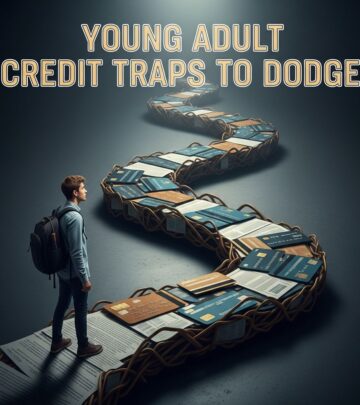
Individuals in their late teens and early twenties often encounter their first credit experiences amid limited income and educational demands. Without prior history, scores start low, complicating access to favorable loans or rentals. Common pitfalls include missing payments due to irregular cash flow or maxing out starter cards from inexperience.
To counter this, prioritize timely payments, which form the cornerstone of credit models like FICO, accounting for 35% of the score. Automate bills or use reminders to avoid lapses, as even one late payment can linger for years. Opt for secured cards if unsecured options are unavailable; deposit-backed limits teach responsibility without excessive risk.
- Begin with small, regular charges like gas or subscriptions, paying in full monthly.
- Target utilization under 30%—calculate as balances divided by limits—to signal control.
- Request free weekly reports from AnnualCreditReport.com to spot errors early.
Patience is essential; initial scores build slowly but compound with consistency. Diversifying with a mix of revolving and installment credit, like adding a student loan, aids maturity once basics solidify.
Building Momentum in Prime Working Years
Ages 25 to 34 bring career growth, home buying, and family starts, amplifying credit needs. Mortgages demand high scores, yet rising debts from autos or student loans strain utilization. Job shifts or relocations can trigger inquiries, temporarily dinging scores.
Focus on debt reduction: Pay beyond minimums to shrink balances faster, preserving low utilization. Retain older accounts open, using them lightly to extend history length—a factor in 15% of FICO. Limit new applications; space them to minimize inquiry impacts, which fade after 12 months but harm initially.
| Strategy | Impact on Score | Age 25-34 Tip |
|---|---|---|
| Lower Utilization | High (30% of FICO) | Consolidate high-interest cards into one low-rate loan. |
| Payment Consistency | Highest (35% of FICO) | Budget for family expenses to cover all due dates. |
| Avoid Excess Inquiries | Moderate (10% of FICO) | Pre-qualify for loans without hard pulls. |
Couples should align habits, as joint accounts blend histories. Monitor jointly via free tools from banks, catching discrepancies promptly.
Midlife Pressures: Balancing Peak Obligations
From 35 to 44, mortgages, child-related costs, and career peaks create debt loads. Divorce or medical emergencies can spike negative marks, while supporting adult children tempts co-signing pitfalls.
Rebuild post-setback by disputing inaccuracies and layering positive activity. Co-signing risks your score if others default; vet thoroughly. Refinance high-rate debts to ease payments, but shop rates carefully to dodge inquiries.
- Use balance transfers for 0% intro periods to accelerate payoffs.
- Maintain a 6-month emergency fund to buffer surprises.
- Review scores quarterly, adjusting as life stabilizes.
Midlife offers leverage: Established history boosts negotiation power for better terms, rewarding diligence.
Pre-Retirement: Navigating Debt Downsizing
Ages 45 to 54 involve college tuitions, elder care, and empty nests. Fixed incomes challenge flexibility, with lingering debts eroding savings. Health issues may necessitate loans, testing resilience.
Prioritize high-interest elimination first, freeing cash flow. Avoid closing paid-off accounts; they bolster history and limits. Explore hardship programs from lenders for temporary relief without score harm.
Table of Midlife Debt Tactics:
| Debt Type | Recommended Action | Expected Benefit |
|---|---|---|
| Credit Cards | Paydown avalanche method | Reduces interest, lowers utilization. |
| Student Loans | Income-driven plans | Affordable payments, forgiveness paths. |
| Medical Bills | Negotiate settlements | Prevents collections. |
Financial education via free courses enhances decision-making, preventing overextension.
Senior Years: Protecting Legacy Credit
Over 65, fixed Social Security or pensions limit buffers against rises in living costs. Scams target seniors, and hospital stays rack up bills. Estate planning intersects with credit via guarantees.
Freeze reports at bureaus to block fraud, unfreezing only for trusted needs. Delegate monitoring to family via authorized user status, retaining control. Payoff remaining debts outright if possible, eliminating utilization worries.
- Opt for debit over credit for daily spends to sidestep balances.
- Review beneficiary designations on accounts annually.
- Use government resources like CFPB for dispute guidance.
A pristine score eases final loans or aids heirs, underscoring lifelong maintenance.
Universal Tactics for All Ages
Regardless of stage, core habits unify success: Timely payments, low utilization, sparse inquiries, long histories, and credit diversity. Budget rigorously, prioritizing needs over wants. Free monitoring from issuers tracks progress without cost.
Frequently Asked Questions
How long do negative marks last?
Most stay 7 years, but impacts wane over time with positive actions.
Does closing old cards help?
No; it shortens history and hikes utilization.
Can I improve score quickly?
Recent changes reflect in 1-2 months, but full rebuild takes 6-12.
What’s ideal utilization?
Under 30%, ideally 10% or less.
Free score access?
Yes, via banks, Credit Karma, or AnnualCreditReport.com.
Key Takeaways
- Adapt strategies to life phase for optimal results.
- Consistency trumps speed in credit building.
- Proactive monitoring averts small issues becoming crises.
References
- 9 Strategies to Improve Your Credit Score — AAFMAA. 2023. https://www.aafmaa.com/resource-center/9-strategies-to-improve-your-credit-score
- How to Increase Your Credit Score with 9 Expert Tips — Intuit. 2024. https://www.intuit.com/blog/innovative-thinking/financial-tips/increase-credit-score/
- Improving Your Credit Score: A Step-By-Step Guide — City National Bank. 2023. https://cnb1901.com/blog-improving-your-credit-score
- Low or No Credit? Key Strategies to Boost Your Credit Score — Northwest Bank. 2024. https://www.northwest.bank/news-insights/low-or-no-credit-key-strategies-to-boost-your-credit-score/
- Understanding Your Credit Score: Strategies to Build and Increase — Johnson Financial Group. 2023. https://www.johnsonfinancialgroup.com/resources/blogs/your-financial-life/understanding-your-credit-score-strategies-to-build-and-increase-credit/
- Build & Maintain Good Credit with These 6 Financial Tips — The Southern Bank. 2024. https://thesouthern.bank/blog/build-maintain-good-credit-with-these-6-financial-tips/
- How do I get and keep a good credit score? — Consumer Financial Protection Bureau (CFPB). 2025-03-15. https://www.consumerfinance.gov/ask-cfpb/how-do-i-get-and-keep-a-good-credit-score-en-318/
- 5 Tips for Improving Your Credit Score — Federal Reserve. 2018. https://www.federalreserve.gov/pubs/creditscore/creditscoretips_2.pdf
Similar Articles








Read full bio of medha deb