Credit History Length and Your Score
Discover how the age of your credit accounts shapes your credit scores and practical steps to build a stronger financial profile over time.

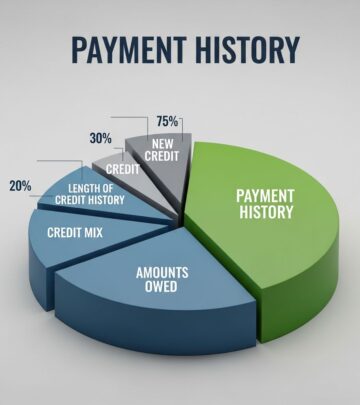
The duration of your credit history plays a key role in determining your creditworthiness, accounting for 15% of FICO scores and up to 21% of VantageScore models. A longer track record demonstrates reliability to lenders, positively influencing approval odds and interest rates on loans and credit cards.
Understanding Credit History Metrics
Credit history length, often called credit age, measures your experience managing accounts like credit cards and loans. Lenders assess this to gauge long-term behavior patterns. Key components include:
- Oldest account age: Time since opening your first account.
- Average account age: Mean duration across all active accounts.
- Newest account age: Time since your most recent account opening.
These elements combine into a composite score factor. For instance, FICO evaluates the cumulative age of oldest, newest, and average accounts.
Weight in Popular Scoring Systems
Different models assign varying importance to credit age. Here’s a comparison:
| Scoring Model | Length Weight | Other Key Factors |
|---|---|---|
| FICO Score 8 | 15% | Payment history (35%), Amounts owed (30%) |
| VantageScore 3.0/4.0 | 20-21% (as ‘depth of credit’) | Payment history (40-41%), Utilization (20%) |
While not the top factor—payment history dominates—a solid history amplifies other positives like on-time payments.
Ideal Durations for Optimal Scores
No universal “good” length exists, but trends emerge from data. People with perfect 850 FICO scores averaged 30 years on their oldest accounts in a 2019 study. Histories over 10 years signal maturity, reducing perceived risk compared to under six months.
Shorter histories limit insight into your habits, potentially leading to higher rates or denials. Responsible use over time builds this asset gradually.
Building a Robust Credit Timeline
Extending your history requires patience and strategy:
- Retain old accounts: Keep longstanding cards open, even if unused, to preserve average age. Use occasionally for small purchases paid promptly.
- Add accounts judiciously: Avoid frequent openings, as new credit dilutes average age and dings ‘new credit’ factors.
- Start early if thin file: Secured cards or credit-builder loans establish a foundation without heavy risk.
- Authorize users wisely: Piggyback on family accounts with strong histories, ensuring the primary user maintains perfection.
Combine with low utilization (<30%) and flawless payments for compounded gains.
Common Errors That Shorten Effective Age
Certain actions undermine history length:
- Closing old accounts: Reduces total accounts and average age significantly.
- Too many inquiries: Signals desperation, indirectly harming age metrics.
- Ignoring negatives: Late payments overshadow age benefits, as they weigh 35-41%.
Monitor reports from Equifax, Experian, TransUnion for errors affecting age calculations.
Real-World Effects on Financial Products
A mature history unlocks advantages:
| Product | Impact of Long History |
|---|---|
| Mortgages | Lower rates; easier qualification |
| Auto Loans | Higher limits; reduced APRs |
| Credit Cards | Premium rewards; higher limits |
| Rentals/Jobs | Better approval odds |
Short histories often mean starter products with fees or limits.
Strategies for Young or Rebuilding Credit
If starting out:
- Get a secured card; upgrade after 6-12 months.
- Become an authorized user on a seasoned account.
- Use buy-now-pay-later services reporting to bureaus.
- Pay all bills via services like Experian Boost.
Aim for 2+ years minimum before major applications.
Monitoring Your Credit Age Progress
Free tools from Credit Karma (VantageScore) or annualcreditreport.com track age. FICO scores via myFICO provide detailed breakdowns. Regular checks ensure accuracy and motivation.
Frequently Asked Questions
Does closing a card hurt my credit age?
Yes, it lowers average age and available credit, impacting 25%+ of scores.
How long do negatives stay and affect age?
Up to 7 years, but long positive history mitigates over time.
Can I build credit without debt?
Yes, via reporting rent/utilities or credit-builder loans.
What’s more important: age or utilization?
Utilization (30%), but age provides stability.
Does credit age differ by bureau?
Slightly, due to varying reporting; check all three.
Long-Term Financial Planning with Credit Age
Incorporate history building into goals: Save statements proving payments, diversify gently (mortgage + cards), and review quarterly. Over decades, this yields lower lifetime borrowing costs—potentially thousands saved on interest.
For immigrants or non-traditional filers, alternative data like utility payments via services bridges gaps. Consistency trumps speed.
References
- How does length of credit history affect credit scores? — Credit Karma. 2023. https://www.creditkarma.com/credit/i/age-credit-history-affect-credit-scores
- How Length of Credit History Affects Your Score — Bankrate. 2023. https://www.bankrate.com/personal-finance/credit/length-of-credit-history-credit-score/
- How Does Length of Credit History Affect Credit Score? — Experian. 2023. https://www.experian.com/blogs/ask-experian/length-of-credit-history-affect-credit-scores/
- How Length of Credit History Affects Your Credit Scores — NerdWallet. 2023. https://www.nerdwallet.com/finance/learn/credit-age-length-of-credit-history
- How Length of Credit History Affects Your Credit Score — LendingTree. 2023. https://www.lendingtree.com/credit-repair/how-length-of-credit-history-affects-your-credit-score/
Similar Articles








Read full bio of medha deb