Credit Freezes: Ultimate Identity Protection Guide
Discover how credit freezes shield your financial future from fraudsters with this comprehensive guide to setup, benefits, and management.

In an era where data breaches expose millions of personal records annually, safeguarding your credit has never been more critical. A credit freeze stands as one of the strongest defenses against identity theft, effectively blocking unauthorized access to your credit reports.
Understanding the Power of a Credit Freeze
A
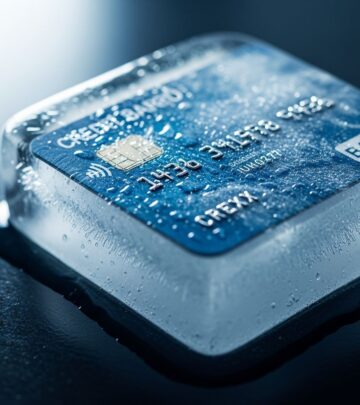
credit freeze
, also known as a security freeze, is a no-cost service provided by the three major credit bureaus: Equifax, Experian, and TransUnion. It restricts access to your credit file, preventing lenders from viewing it when you or a fraudster applies for new credit. This barrier stops new accounts—like loans, credit cards, or lines of credit—from being opened in your name without your explicit permission.Unlike a fraud alert, which merely flags your file for extra scrutiny, a freeze outright denies access to your report. It remains in place indefinitely until you choose to lift it, and it carries no impact on your credit score.
Why Implement a Credit Freeze Immediately?
Proactive protection is key in today’s digital landscape. You don’t need to wait for a breach or theft to act—anyone can freeze their credit at any time. Key triggers include:
- Data breaches exposing your Social Security number (SSN) or financial details.
- Suspicious activity on accounts, such as unrecognized charges.
- Confirmed identity theft, halting further damage while you resolve issues.
- Routine precaution to minimize fraud risks in a connected world.
Statistics underscore the urgency: Identity theft affects millions yearly, often leading to drained accounts and ruined credit.
Step-by-Step: How to Place a Credit Freeze
Placing freezes across all three bureaus is straightforward and free under federal law. No fees apply for setting, lifting, or removing them. Here’s the process:
- Equifax: Visit their secure portal or call 888-298-0045. Provide personal details for verification.
- Experian: Use the online form or phone 888-397-3742. You’ll receive a PIN for future management.
- TransUnion: Access via website or dial 888-909-8872. Confirm identity through provided questions.
Each bureau issues a unique PIN or password for temporary lifts. Online processes typically complete in minutes. For protected consumers like minors under 16 or incapacitated adults, guardians can request freezes, even creating new files if none exist.
| Bureau | Website | Phone | Key Feature |
|---|---|---|---|
| Equifax | equifax.com | 888-298-0045 | Temporary lift PIN |
| Experian | experian.com | 888-397-3742 | App integration |
| TransUnion | transunion.com | 888-909-8872 | Quick online setup |
Benefits That Outweigh the Hassle
The primary advantage is fraud prevention: Scammers can’t open new accounts without thawing your freeze, which they can’t do without your PIN. It adds robust security post-breach, especially for synthetic identity fraud targeting children.
- Zero Cost: Mandated free by law.
- No Score Impact: Freezes don’t ding your credit rating.
- Reversible: Lift temporarily for legitimate needs.
- Family Protection: Secure minors’ and dependents’ files.
It’s particularly vital after major breaches, where stolen SSNs fuel rampant fraud.
Potential Drawbacks and How to Navigate Them
While powerful, freezes aren’t perfect. Legitimate applications require thawing, adding steps. Lenders can’t access your report, potentially delaying approvals for mortgages, auto loans, or rentals.
- Inconvenience: Plan ahead for credit needs; forget, and applications stall.
- Limited Scope: Doesn’t block existing account fraud, tax scams, or insurance fraud—pair with monitoring.
- Exceptions: Some entities like debt collectors or government agencies retain access.
Mitigate by scheduling temporary thaws (e.g., 1-7 days) via app or phone.
Credit Freeze vs. Other Protections: A Clear Comparison
Don’t confuse freezes with similar tools:
| Tool | What It Does | Cost | Duration | Best For |
|---|---|---|---|---|
| Credit Freeze | Blocks report access | Free | Indefinite | Preventing new accounts |
| Fraud Alert | Flags for review | Free | 1-7 years | Initial theft response |
| Credit Lock | Similar to freeze, app-based | May cost | Indefinite | Convenience seekers |
Freezes offer superior blockage over alerts.
Special Considerations for Families and Vulnerable Groups
Children and dependents are prime targets for synthetic fraud, blending real SSNs with fake data. Parents/guardians can freeze minors’ credit without proof of harm, creating files if needed.
For incapacitated adults, authorized representatives handle requests. Always freeze all three bureaus for full coverage.
Managing Your Freeze: Lifts, Thaws, and Removal
Temporary lifts grant access for specific periods or recipients. Use your PIN online—nearly instant.
- Temporary Thaw: Set duration (hours to weeks); auto-restores.
- Permanent Removal: Rare, via secure process.
- Multiple PINs: Track per bureau.
Apps from Experian enhance ease.
Integrating Freezes into Broader Fraud Defense
A freeze is a cornerstone, not a cure-all. Complement with:
- Regular credit monitoring.
- Strong, unique passwords.
- SSN protection.
- Fraud alerts on top.
Post-freeze, review reports quarterly.
Frequently Asked Questions (FAQs)
Does a credit freeze affect my credit score?
No, it only limits access, not your score calculation.
How long does it take to freeze my credit?
Online: Immediate. Mail/phone: Up to 3 days.
Can I freeze credit for my child?
Yes, for minors under 16 or protected consumers.
What if I need credit while frozen?
Temporarily lift via PIN—quick and secure.
Is it free in all states?
Yes, federal and state laws mandate no fees.
Take Control Today
Freezing your credit empowers you against unseen threats. Act now across all bureaus for peace of mind. Your financial security deserves this simple yet profound step.
References
- What is a Credit Freeze and How It Can Benefit You — Shore United Bank. 2023. https://www.shoreunitedbank.com/shore-articles/what-it-means-to-freeze-your-credit
- Pros and Cons of Freezing Credit — Citi. 2024. https://www.citi.com/credit-cards/understanding-credit-cards/pros-and-cons-of-freezing-credit
- What is a credit freeze or security freeze on my credit report? — Consumer Financial Protection Bureau (CFPB). 2025-03-15. https://www.consumerfinance.gov/ask-cfpb/what-is-a-credit-freeze-or-security-freeze-on-my-credit-report-en-1341/
- Credit Freezes and Fraud Alerts — Federal Trade Commission (FTC). 2025-01-10. https://consumer.ftc.gov/articles/credit-freezes-and-fraud-alerts
- Credit Freeze and Credit Lock: What’s The Difference? — Experian. 2024-11-20. https://www.experian.com/blogs/ask-experian/whats-the-difference-between-credit-freeze-and-a-credit-lock/
- When and Why Should You Freeze Your Credit? — Space Coast Credit Union (SCCU). 2024. https://www.sccu.com/articles/fraud-prevention/when-and-why-should-you-freeze-your-credit
- Freeze your credit — Massachusetts Government (Mass.gov). 2025-02-28. https://www.mass.gov/info-details/freeze-your-credit
Similar Articles








Read full bio of medha deb