Credit Freeze vs Fraud Alert: Key Differences
Discover how credit freezes and fraud alerts safeguard your financial identity, their unique protections, and when to use each for optimal security.
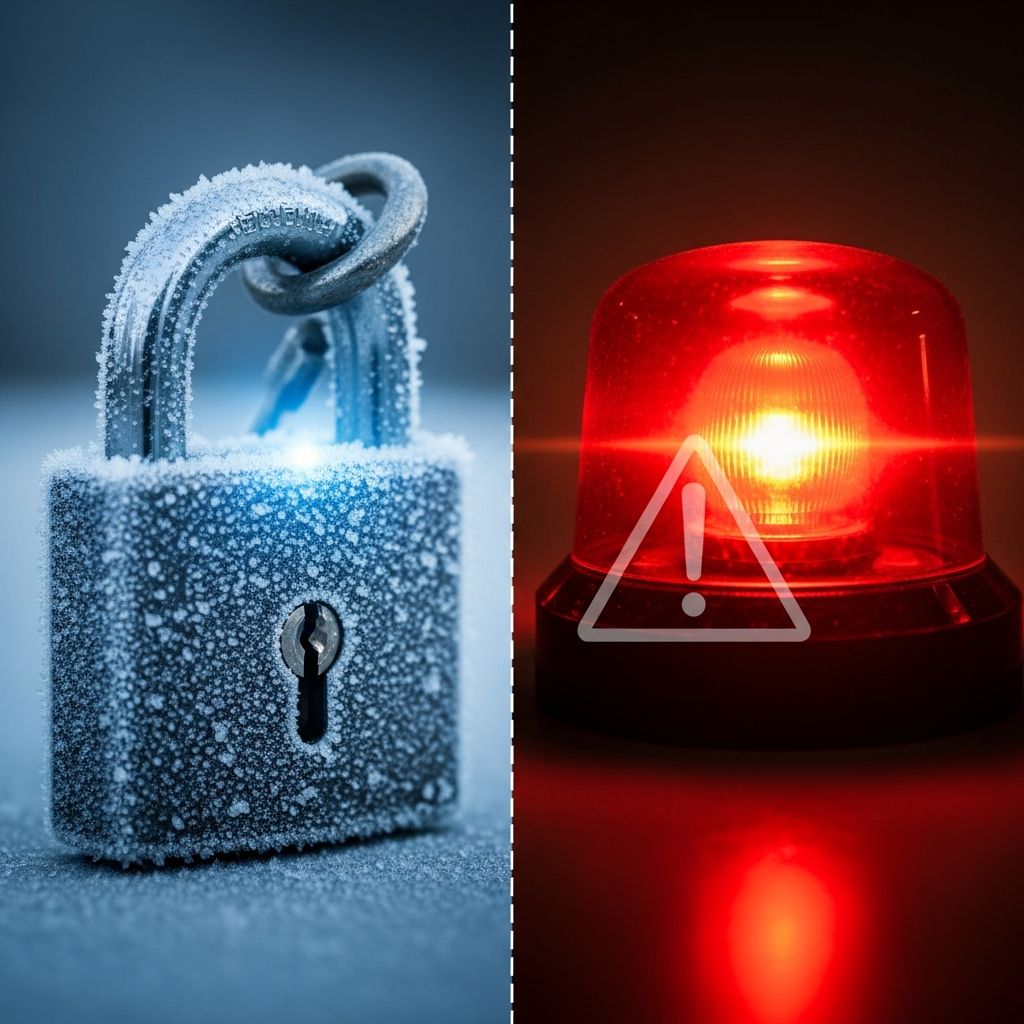
Protecting your credit from identity thieves requires understanding tools like credit freezes and fraud alerts. A credit freeze restricts access to your credit reports entirely, preventing new accounts from being opened, while a fraud alert prompts creditors to verify your identity before approving credit. Both are free and effective, but choosing the right one depends on your circumstances.
Understanding Credit Freezes: Your Strongest Defense
A credit freeze, also known as a security freeze, acts as a barrier that blocks anyone from viewing your credit report. This stops lenders from opening new accounts in your name without your permission. When you place a freeze, the three major credit bureaus—Experian, Equifax, and TransUnion—must honor it, ensuring comprehensive protection.
To implement a freeze, you must contact each bureau separately via their websites, phone lines, or mail. Online or phone requests typically take effect within one hour, while mailed requests process in three business days. Once active, the freeze remains in place indefinitely until you lift it, making it ideal for long-term security.
Lifting a freeze, or ‘thawing,’ is straightforward when needed. You can temporarily lift it for specific creditors using a PIN or password provided by the bureau, or fully remove it. This flexibility allows you to apply for legitimate credit, such as a mortgage or car loan, without full removal.
- Pros of credit freezes: Maximum restriction on report access; no expiration; free for all consumers.
- Cons: Requires individual setup per bureau; must thaw for any new credit applications.
Decoding Fraud Alerts: Added Verification Layer
Fraud alerts serve as a notice on your credit files, instructing creditors to take extra steps to confirm your identity before granting new credit. Unlike freezes, they do not block access but add scrutiny, such as calling you or requiring additional documentation.
There are three main types: the initial alert lasts one year and is available to anyone for proactive protection; the active-duty alert, for military members deployed, also lasts one year; and the extended alert endures for seven years but requires proof of identity theft, like a police report.
Placing an alert is simpler—one request to any bureau notifies the others automatically. You can renew initial alerts up to three months before expiration. This makes fraud alerts convenient for those anticipating credit needs soon.
- Benefits: Easy one-bureau setup; allows credit applications with verification; free access to an extra credit report with initial alerts.
- Drawbacks: Temporary duration; relies on creditor compliance, which is less restrictive than a freeze.
Comparing Protections Side-by-Side
To clarify choices, here’s a detailed comparison table highlighting core differences:
| Feature | Credit Freeze | Fraud Alert |
|---|---|---|
| Purpose | Blocks all access to credit reports | Requires identity verification |
| Setup Process | Contact each of 3 bureaus separately | One bureau notifies all |
| Duration | Indefinite until lifted | 1 year (initial/active-duty) or 7 years (extended) |
| Cost | Free | Free |
| Impact on Credit Score | None | None |
| Best For | No near-term credit needs | Ongoing credit applications planned |
Impact on Your Financial Life
Neither tool affects your credit score or existing accounts. You can still view your own reports, make payments, and use current credit cards. Freezes only hinder new inquiries, while alerts ensure verification without halting processes.
However, they don’t prevent fraud on existing accounts, like unauthorized charges. Monitor statements regularly and set up transaction alerts with your banks. For comprehensive defense, combine freezes with alerts.
When to Choose a Credit Freeze
Opt for a freeze if you’re not planning new credit soon, such as after a data breach or for children and seniors. It provides ironclad protection since no one sees your report without your lift code. Recent laws mandate free freezes nationwide, enhancing accessibility.
Professionals recommend freezes for victims of identity theft not seeking immediate credit, as they eliminate the risk of overlooked verifications.
Ideal Scenarios for Fraud Alerts
Select fraud alerts when applying for loans, apartments, or utilities soon. The verification step protects without the hassle of thawing. Extended alerts suit confirmed victims, blocking pre-screened offers for five years too.
Active-duty personnel benefit from deployment alerts, ensuring family can’t be targeted during absences.
Layered Protection: Using Both Together
There’s no downside to combining both—a freeze offers blockade, while an alert adds redundancy. This dual approach maximizes security, especially post-breach. Many experts advocate this for high-risk situations.
Step-by-Step Guide to Placing Protections
- Assess your needs: Freeze for lockdown; alert for flexibility.
- Gather documents: ID, address proof; theft report for extended alerts.
- Contact bureaus: Use Equifax.com/freeze, Experian.com/freeze, TransUnion.com/credit-freeze for freezes; similar for alerts.
- Record PINs: Securely store lift codes.
- Monitor regularly: Check free weekly reports at AnnualCreditReport.com.
Frequently Asked Questions
Does a credit freeze stop pre-approved offers?
No, freezes block new accounts but not marketing lists. Extended alerts opt you out for five years.
Can I place these for my family?
Yes, parents/guardians can freeze children’s reports until age 18; add minors to your alerts.
How quickly do they activate?
Freezes: 1 hour online/phone; alerts: immediately across bureaus.
Will they affect renting or jobs?
Thaw temporarily if background checks require credit pulls.
Are they available to everyone?
Yes, free under federal law—no identity theft proof needed for initial alerts or freezes.
Enhancing Security Beyond Freezes and Alerts
Regularly review credit reports for anomalies. Enable two-factor authentication on financial accounts, use unique passwords, and consider identity theft insurance. Post-freeze, track via apps from bureaus for real-time alerts.
In today’s digital age, with breaches rampant, proactive steps like these are essential. Data from the FTC shows millions affected yearly, underscoring the need for vigilance.
References
- What’s the Difference Between a Fraud Alert and Credit Freeze? — NerdWallet. 2023. https://www.nerdwallet.com/finance/learn/difference-between-fraud-alerts-and-credit-freezes
- Fraud Alert vs. Credit Freeze: What’s the Difference? — Experian. 2024-02-06. https://www.experian.com/blogs/ask-experian/what-is-the-difference-between-a-credit-freeze-and-fraud-alert/
- What’s the Difference Between a Fraud Alert and a Credit Freeze? — Navy Federal Credit Union. 2023. https://www.navyfederal.org/makingcents/privacy-security/whats-the-difference-between-a-fraud-and-a-credit-freeze.html
- Security Freezes and Fraud Alerts — University of Wisconsin Extension (finances.extension.wisc.edu). 2024. https://finances.extension.wisc.edu/articles/security-freezes-and-fraud-alerts/
- Fraud Alert, Security Freeze, and Credit Report Lock — Equifax. 2024. https://www.equifax.com/personal/education/identity-theft/articles/-/learn/fraud-alert-security-freeze-credit-lock/
- Credit Report Security Freezes — Minnesota Attorney General’s Office (gov). 2023-10-01. https://www.ag.state.mn.us/Consumer/Publications/CreditFreezesFraudAlerts.asp
Similar Articles








Read full bio of medha deb