Credit Freeze Myths Debunked
Unravel the truth about credit freezes: what they protect, how they work, and why they won't lock your score.
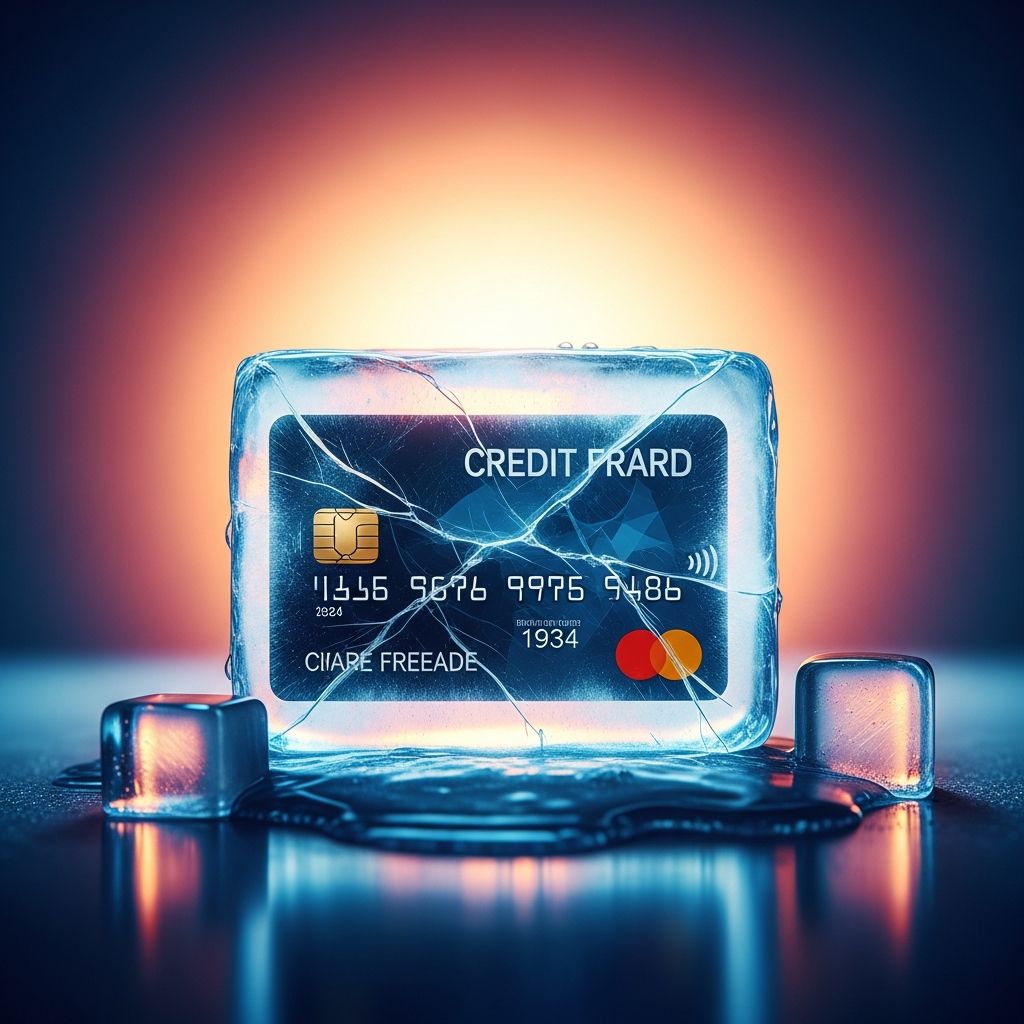
Many people wonder if freezing their credit also freezes their credit score. The straightforward answer is no—a credit freeze restricts access to your credit report for new accounts but leaves your score unchanged and unaffected.
Understanding the Basics of Credit Freezes
A credit freeze, also called a security freeze, acts as a barrier that prevents lenders from viewing your credit report when considering new credit applications. This tool is particularly valuable in blocking identity thieves from opening fraudulent accounts in your name.
Credit freezes differ from fraud alerts. While alerts notify creditors to verify your identity carefully, freezes outright deny access to your full report. Both are free, but freezes offer stronger protection against unauthorized new credit.
Importantly, existing accounts remain untouched. Your current loans, credit cards, and payments continue normally, and your score reflects ongoing financial behavior like timely payments or credit utilization.
Why Credit Freezes Matter for Fraud Prevention
Identity theft affects millions annually, often starting with stolen personal data used to apply for credit. A freeze stops this at the source by making your report invisible to new creditors.
Consider scenarios where a freeze shines: after a data breach notification, suspicious activity on your accounts, or simply as proactive defense if you’re not seeking new credit soon.
Unlike locking a door only after a break-in, anyone can freeze their credit anytime without waiting for proof of compromise. This accessibility empowers consumers to stay ahead of threats.
Step-by-Step Guide to Placing a Credit Freeze
To implement a freeze effectively, contact all three major bureaus: Equifax, Experian, and TransUnion. Skipping one leaves a vulnerability.
- Online: Create an account on each bureau’s site, provide your name, address, SSN, and DOB. Freezes activate within one business day.
- Phone: Call dedicated lines; same one-day turnaround.
- Mail: Send a request letter with ID proof; expect up to three business days.
Each bureau issues confirmation and instructions for management, often including a PIN or password for future lifts.
Timelines for Freezes and Lifts Explained
| Action | Online/Phone | |
|---|---|---|
| Place Freeze | 1 business day | 3 business days |
| Lift Freeze | 1 hour | 3 business days |
| Confirmation | N/A | 5 business days |
These federal timelines ensure quick protection and flexibility. Temporary lifts allow access for specific dates, ideal for planned applications.
Your Credit Score During a Freeze
Freezing does not halt score calculations or updates. Bureaus still process your payment history, balances, and inquiries from existing relationships.
Positive actions like paying bills on time can boost your score, while negatives like high utilization may lower it—regardless of freeze status.
Soft inquiries, such as your own checks or pre-approvals, remain possible and don’t require lifting the freeze.
Who Can Still Access Your Frozen Report?
Not all access stops with a freeze. Exceptions include:
- Existing creditors for account management.
- Debt collectors and collection agencies.
- Government agencies for official purposes.
- You, for personal review.
- Employers, with your consent for limited views.
This balanced approach protects against fraud without disrupting legitimate needs.
Pros and Cons of Implementing a Credit Freeze
Advantages:
- Top-tier fraud prevention at no cost.
- Peace of mind post-breach or during life transitions.
- Easy online management.
Disadvantages:
- Requires remembering to lift for legitimate applications.
- Separate actions for each bureau.
- Potential delays if not planned ahead.
Special Rules for Minors and Protected Consumers
Federal law safeguards minors under 16 and incapacitated adults. Parents or guardians can freeze these “protected consumer” files, even if no prior record exists—the bureau creates one solely for protection.
This prevents child identity theft, a growing issue where young SSNs are exploited early.
Managing Lifts and Thaws Effectively
When applying for credit, lift selectively: only at the bureau your lender uses, then refreeze promptly.
Options include permanent removal or temporary access (e.g., 7-30 days). Online accounts simplify this with PINs.
Plan ahead—hourly lifts are fast online, but mail takes days. Verify lender’s bureau first to minimize hassle.
Credit Freezes vs. Other Protections
| Feature | Credit Freeze | Fraud Alert |
|---|---|---|
| Access Block | Full denial | Verification required |
| Duration | Until lifted | 1-7 years auto |
| Bureaus Needed | All three | One (applies to all) |
| Cost | Free | Free |
Combine tools: freeze for max security, alert for ongoing vigilance.
Best Practices for Long-Term Credit Security
- Freeze if not applying for credit soon.
- Monitor reports regularly via annualcreditreport.com.
- Use unique PINs per bureau.
- Update addresses with bureaus.
- Educate family on protections for minors.
Frequently Asked Questions
Does a credit freeze hurt my score?
No, it has zero direct impact. Scores update based on your financial activity.
How do I freeze a child’s credit?
Parents/guardians request for under-16s via each bureau, providing proof.
Can I freeze at one bureau only?
Not recommended—thieves exploit gaps. Do all three.
What’s the fastest way to lift a freeze?
Online or phone: within one hour.
Do freezes stop all credit checks?
No, existing accounts and certain entities retain access.
References
- How to place or lift a security freeze on your credit report — USAGov. 2026 (accessed). https://www.usa.gov/credit-freeze
- What is a credit freeze or security freeze on my credit report? — Consumer Financial Protection Bureau. 2026 (accessed). https://www.consumerfinance.gov/ask-cfpb/what-is-a-credit-freeze-or-security-freeze-on-my-credit-report-en-1341/
- Credit Freezes and Fraud Alerts — Federal Trade Commission. 2026 (accessed). https://consumer.ftc.gov/articles/credit-freezes-and-fraud-alerts
- How to Freeze Your Credit—and Why It Matters — Charles Schwab. 2026 (accessed). https://www.schwab.com/learn/story/how-to-freeze-credit-score
- Pros and Cons of Freezing Credit — Citi. 2026 (accessed). https://www.citi.com/credit-cards/understanding-credit-cards/pros-and-cons-of-freezing-credit
Similar Articles








Read full bio of Sneha Tete