Credit Dispute Timelines Explained
Discover the complete timeline for resolving credit report errors, from filing to final updates, and tips to speed up the process.
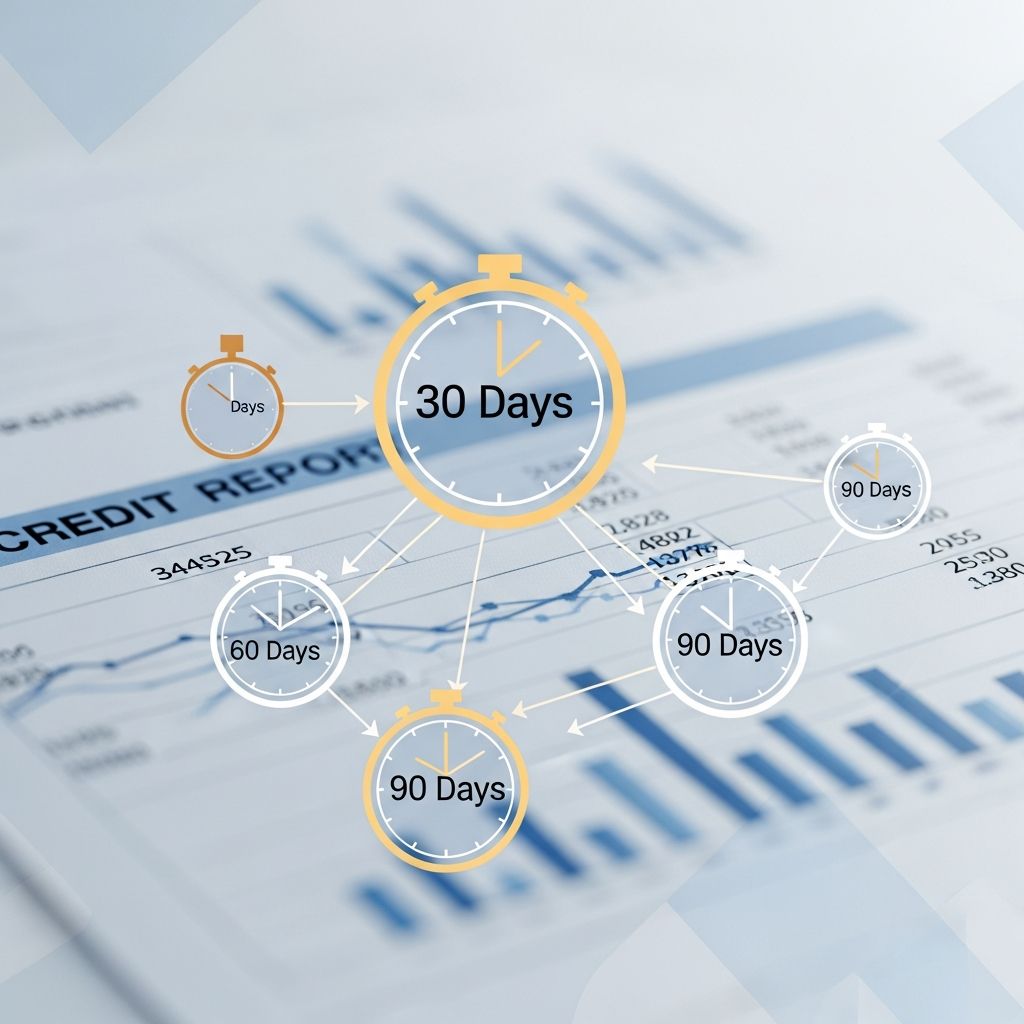
Resolving inaccuracies on your credit report through a formal dispute typically requires credit bureaus to complete investigations within 30 days, though extensions to 45 days apply in specific scenarios under the Fair Credit Reporting Act (FCRA).
Legal Framework Governing Dispute Resolutions
The FCRA establishes clear deadlines for credit bureaus like Equifax, Experian, and TransUnion to handle consumer disputes. Upon receiving a dispute, bureaus must initiate an investigation promptly. The standard period is 30 days from receipt, during which they contact the data furnisher—such as a lender or creditor—for verification.
Bureaus forward your dispute details and evidence to the furnisher within five days of receipt. The furnisher then reviews records to confirm or correct the information. This back-and-forth ensures thorough checks but adheres to the tight timeline to protect consumer rights.
Post-investigation, bureaus notify consumers of results within five business days, often providing an updated credit report. This notification arrives via mail, email, or online portal, depending on submission method.
Standard 30-Day Investigation Period
Most disputes resolve within the initial 30-day window. Simple errors, like minor address discrepancies or typographical issues in personal identifiers, often update faster—sometimes in under a week—if you supply clear proof.
For payment history or account details requiring furnisher input, the process involves multiple steps: bureau receipt, furnisher notification, evidence review, and resolution. Furnishers must respond swiftly to meet the deadline, enabling bureaus to finalize outcomes efficiently.
- Bureau receives dispute and logs it.
- Contacts furnisher within 5 days.
- Furnisher verifies or corrects data.
- Bureau updates report and notifies consumer.
This structured approach minimizes delays while ensuring accuracy.
Circumstances Extending to 45 Days
Certain situations trigger a 15-day extension, pushing the total to 45 days. This occurs if you submit new supporting documents after the initial filing but within the 30-day period. Bureaus use the extra time to incorporate and review this material.
Disputes filed after obtaining a free annual credit report from AnnualCreditReport.com also qualify for the longer timeline. This provision accounts for the volume of such reports and ensures comprehensive reviews.
| Scenario | Timeline | Reason |
|---|---|---|
| Standard dispute | 30 days | Basic investigation |
| Additional info submitted | 45 days | Extra review needed |
| Post-annual report dispute | 45 days | FCRA exception |
Understanding these extensions helps set realistic expectations.
Step-by-Step Guide to Filing a Dispute
Start by obtaining your free weekly credit reports from AnnualCreditReport.com to identify errors. Note specifics: account numbers, dates, and discrepancies.
- Gather evidence: Collect statements, payment records, or ID documents proving inaccuracies.
- Choose submission method: Online portals are fastest; mail or phone work too.
- Submit to relevant bureaus: Dispute with each showing the error, as they operate independently.
- Track progress: Use confirmation numbers or portals for status updates.
Disputing directly with furnishers is another option; they have similar 30-day obligations and must report results to bureaus.
Factors Influencing Resolution Speed
While FCRA sets maximums, actual times vary. Online disputes often process quicker than mailed ones due to instant logging.
Complex issues, like identity theft-related errors or disputed debts, demand more coordination, potentially nearing the full 30 days. Furnisher responsiveness is key—if they delay, bureaus may delete unverified items.
Volume of disputes at peak times or holidays can cause minor backlogs, though FCRA prioritizes compliance. Clear, detailed submissions with strong evidence accelerate reviews.
Potential Outcomes of Your Dispute
Investigations yield three main results:
- Correction: Errors removed or updated; scores may improve post-cycle.
- Verification: Furnisher confirms accuracy; item remains unless you appeal with new evidence.
- Deletion: Unverifiable info removed automatically.
You receive written results, including an updated report. Scores reflect changes after furnishers report next cycle, potentially 30-60 days later.
Handling Delays or Unresolved Disputes
If no response by day 30 (or 45), follow up immediately via phone or portal. Bureaus must explain delays. Persistent issues warrant escalation to the Consumer Financial Protection Bureau (CFPB) or FTC.
Disputes deemed “frivolous”—lacking evidence or repetitive without updates—skip full review, but bureaus notify within five days, allowing resubmission.
Impact on Credit Scores and Applications
Disputed items often show as “in dispute” during investigation, minimally affecting scores. Post-resolution, positive changes appear in 1-2 billing cycles.
Plan ahead: Dispute 3-6 months before major applications like mortgages to allow full updates across reports and scores.
Frequently Asked Questions
How long after dispute completion do I get results?
Within five business days via your preferred method.
Can I dispute with the creditor directly?
Yes; they investigate within 30 days and notify bureaus of changes.
What if the error is on multiple reports?
File separate disputes with each bureau.
Does disputing hurt my credit score?
No, disputed items are flagged but don’t lower scores during review.
What evidence strengthens my dispute?
Bank statements, payment proofs, or police reports for fraud.
Best Practices for Proactive Credit Management
Regularly monitor reports to catch issues early. Use free tools for weekly checks. Automate alerts for changes. Build positive history with on-time payments.
For identity theft, place fraud alerts or freezes. Consult professionals for complex cases like chronic errors.
Maintaining vigilance ensures disputes, when needed, resolve smoothly within FCRA bounds, safeguarding your financial future.
References
- How Long Does a Credit Dispute Take? The Real Timeline Explained — WorkMoney.org. 2023. https://workmoney.org/money-tips/credit-101/how-long-does-a-credit-dispute-take-the-real-timeline-explained
- How Long Does A Credit Dispute Take? — Raburn Kaufman LLC. 2024-01-15. https://raburnkaufman.com/blog/how-long-does-a-credit-dispute-take/
- Disputing Errors on Your Credit Reports — Federal Trade Commission (FTC). 2023-12-01. https://consumer.ftc.gov/articles/disputing-errors-your-credit-reports
- How long does it take to repair an error on a credit report? — Consumer Financial Protection Bureau (CFPB). 2024. https://www.consumerfinance.gov/ask-cfpb/how-long-does-it-take-to-repair-an-error-on-a-credit-report-en-1339/
- How to Dispute an Error on Your Credit Report — Credit Karma. 2024-02-20. https://www.creditkarma.com/credit/i/dispute-error-credit-report
- How Long Credit Report Disputes Take — Schlanger Law Group. 2023-11-10. https://consumerprotection.net/how-long-do-credit-reporting-disputes-take/
Similar Articles








Read full bio of medha deb