Credit Dispute Impact Guide
Discover how challenging credit report errors influences your score, timelines, and long-term financial health without unintended consequences.

Disputing inaccurate information on your credit report does not lower your credit score and can lead to corrections that improve it over time. Credit bureaus must investigate within 30 days under federal law, with no negative marking for the dispute itself.
Understanding Credit Reports and Common Errors
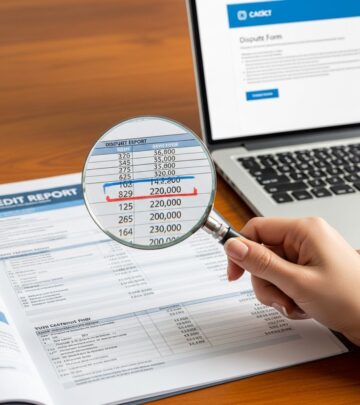
Your credit report is a detailed record of your financial history, compiled by major bureaus like Experian, Equifax, and TransUnion. It influences loan approvals, interest rates, and even job opportunities. Errors appear in about 25% of reports, often including wrong personal details, duplicate accounts, or outdated negative items.
Common inaccuracies fall into categories such as:
- Incorrect personal information like name, address, or Social Security number.
- Accounts that do not belong to you, possibly from identity theft.
- Wrong balances, payment statuses, or dates on legitimate accounts.
- Outdated public records, like resolved bankruptcies past the 7-10 year limit.
Regular reviews via AnnualCreditReport.com reveal these issues early. Free weekly reports help monitor changes without cost.
The Legal Framework Protecting Your Rights
The Fair Credit Reporting Act (FCRA) mandates that credit bureaus and furnishers investigate disputes promptly and accurately. Bureaus have 30 days (sometimes 45 for identity theft) to complete reviews, forwarding your evidence to the data provider.
Key protections include:
- Free investigation without labeling your dispute as frivolous unless clearly baseless.
- Deletion of unverifiable or inaccurate items.
- Notification to you and other bureaus of changes.
If ignored, escalate via Consumer Financial Protection Bureau (CFPB) complaints.
Step-by-Step Process to File a Dispute
Follow these structured steps to maximize success rates, which exceed 80% for well-documented claims.
- Get Your Reports: Pull free reports from all three bureaus.
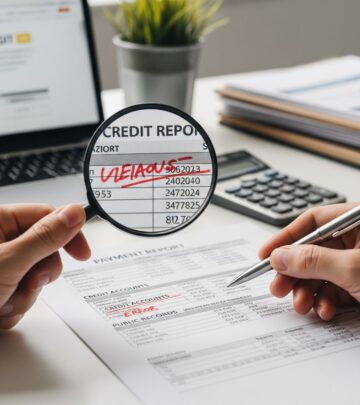
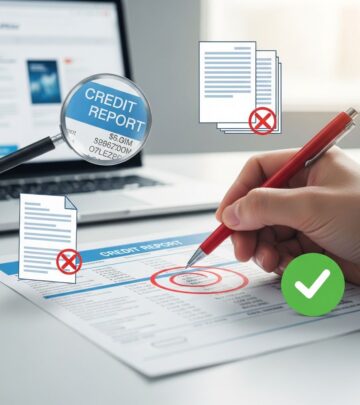
- Document Errors: Highlight issues and gather proof like statements or IDs. Never send originals.
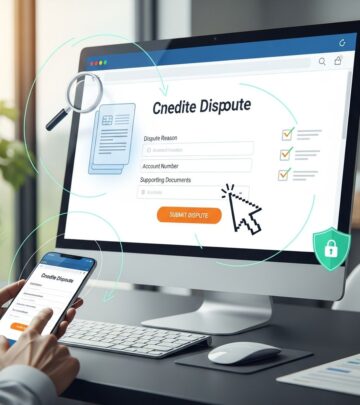
- Submit to Bureau: Use mail with certified receipt for records; include explanation, circled report sections, and evidence. Avoid online portals if needing detailed attachments.
- Notify Furnisher: Send parallel dispute to the creditor or business reporting the data.
- Track Progress: Note dates and retain all correspondence.
A sample dispute letter structure: identifying info, error description, supporting docs request for correction.
Immediate Effects: Does Disputing Hurt Your Score?
Filing a dispute places a temporary note on the contested item, visible to lenders as ‘in dispute.’ This does not impact your score calculation during investigation. FICO and VantageScore algorithms ignore disputed items in scoring models.
| Aspect | Effect During Dispute | Post-Resolution |
|---|---|---|
| Credit Score | No change or temporary hold on item | Potential increase if corrected |
| Report Visibility | Shows ‘disputed by consumer’ | Updated or deleted |
| Lender View | May prompt questions | Clean if resolved favorably |
Lenders see the notation but must consider your explanation if provided.
Timelines and What Happens During Investigation
Expect a 30-day window from receipt. Bureaus contact furnishers, who verify data. Outcomes:
- Verified Accurate: Item stays; add 100-word statement.
- Inaccurate: Corrected or deleted; updates shared nationwide.
- Unverifiable: Removed permanently.
If extended, you’ll receive notice. Reinvestigations with new evidence are allowed.
Potential Outcomes and Long-Term Score Impacts
Successful disputes often boost scores by removing negatives. For example, deleting a late payment can raise FICO by 20-100 points depending on profile.
Less favorable results:
- Statement added, alerting future viewers.
- Re-dispute with more proof or legal aid.
Monitor post-resolution via free reports to confirm changes propagate.
Special Cases: Identity Theft and Fraud
For fraud, request blocks alongside disputes. Provide police reports or FTC Identity Theft Report. Bureaus must block info within 4 days.
Steps include:
- File FTC report at IdentityTheft.gov.
- Freeze credit to prevent new fraud.
- Dispute with extended 45-day timeline.
Disputing with Data Furnishers Directly
Creditors must investigate independently and update bureaus. Use their designated address; include same docs as bureau dispute. This dual approach strengthens claims.
Escalation Options if Disputes Fail
If unsatisfied:
- Add dispute statement to report.
- File CFPB complaint for supervision.
- Consult attorneys for FCRA violations; potential damages available.
State attorneys general also assist.
Best Practices for Effective Disputes
Enhance success with:
- Detailed, factual letters without emotion.
- Multiple proofs per error.
- Certified mail tracking.
- Follow-up within timelines.
Avoid common pitfalls like incomplete docs or online-only submissions limiting evidence.
Frequently Asked Questions
Can disputing multiple items hurt my score?
No, volume doesn’t affect scores; focus on accuracy.
How long do disputes take?
Up to 30 days, extendable with notice.
Will lenders deny me during investigation?
Some may pause; disclose proactively.
What if the error reappears?
Re-dispute and complain to CFPB.
Are online disputes safe?
Convenient but less robust for complex cases; mail preferred for records.
Tools and Resources for Monitoring
Use AnnualCreditReport.com for free access. Credit monitoring services alert to changes. Apps from bureaus track disputes online.
Proactive annual reviews prevent issues compounding into score damage.
References
- How to Dispute Credit Report Errors: A 5-Step Guide — Consumer Protection. 2023. https://consumerprotection.net/how-to-dispute-credit-report-errors/
- Filing a dispute – Annual Credit Report.com — AnnualCreditReport.com. 2025-01-15. https://www.annualcreditreport.com/filingADispute.action
- How to Dispute a Credit Report Error — Greenpath Financial Wellness. 2024-06-10. https://www.greenpath.com/blog/how-to-dispute-a-credit-report-error/
- Disputing Errors on Your Credit Reports — Federal Trade Commission (FTC). 2025-03-01. https://consumer.ftc.gov/articles/disputing-errors-your-credit-reports
- How do I dispute an error on my credit report? — Consumer Financial Protection Bureau (CFPB). 2025-02-20. https://www.consumerfinance.gov/ask-cfpb/how-do-i-dispute-an-error-on-my-credit-report-en-314/
- Disputing Errors on Your Credit Reports [PDF] — Consumer Financial Protection Bureau (CFPB). 2021-08-01. https://files.consumerfinance.gov/f/documents/cfpb_dispute-errors-credit-reports_handout_2021-08.pdf
- Dispute Credit Report Information — Experian. 2025-11-05. https://www.experian.com/help/dispute-credit/
Similar Articles








Read full bio of medha deb