Credit Denial Impact on Your Credit Score
Understanding how credit rejections affect your financial profile and what happens next

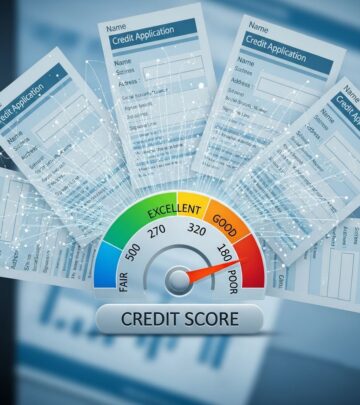
One of the most stressful financial experiences is receiving a denial letter after applying for a credit card, personal loan, or mortgage. The immediate concern that follows is whether this rejection will permanently damage your credit score. The good news is that being denied for credit itself does not appear on your credit report and has no direct impact on your credit score. However, the application process that led to the denial does leave a mark—specifically through a hard inquiry that can modestly affect your creditworthiness temporarily.
The Distinction Between Application Denial and Credit Inquiries
It’s crucial to understand that credit reporting works in specific ways that protect consumers from having their credit scores damaged simply by being rejected. When a lender denies your application, this decision is not reported to credit bureaus and therefore cannot be seen by other potential lenders or creditors. This means your denial history remains confidential between you and the lender who rejected you.
What does appear on your credit report is the hard inquiry itself—the formal request you authorize when you submit a credit application. This inquiry is different from the denial decision. While the denial stays private, the inquiry becomes part of your permanent credit file. Understanding this distinction helps you navigate the credit application process more strategically and recognize what truly affects your creditworthiness.
How Hard Inquiries Influence Your Credit Score
When you apply for credit, you give the lender permission to pull your credit report from one or more of the three major credit bureaus: Experian, TransUnion, and Equifax. This pull is recorded as a hard inquiry. Unlike soft inquiries (which occur when you check your own credit or receive pre-qualified offers), hard inquiries can temporarily reduce your credit score.
Duration and Impact Timeline:
- Hard inquiries remain visible on your credit report for up to two years
- They negatively impact your FICO Score for approximately one year
- The average reduction per inquiry is fewer than five points according to FICO data
- Multiple inquiries in a short timeframe can have a more noticeable cumulative effect
The impact is generally minimal for most borrowers, especially those with established credit histories. However, the effect can be more pronounced for individuals with limited credit accounts, shorter credit histories, or a large number of recent inquiries accumulated over a compressed timeline.
Strategic Inquiry Shopping: How Lenders Count Multiple Applications
If you’re comparison shopping for major purchases like automobiles, mortgages, or student loans, you may submit multiple applications within a short period. Recognizing this consumer behavior, credit scoring models have built-in protections to prevent artificially penalizing legitimate rate shopping.
FICO Score Treatment:
When rate shopping for auto loans, student loans, or mortgage loans, FICO combines all inquiries made within a 14-day window into a single inquiry for scoring purposes. For older versions of the FICO Score, this window extends to 45 days. Additionally, FICO ignores hard inquiries from these specific loan types if they occurred within the past 30 days, providing a substantial buffer for comparison shopping.
VantageScore Treatment:
VantageScore, another major credit scoring model, uses a 14-day shopping window and applies it more broadly than FICO. It combines hard inquiries across a wider range of account types, including credit cards and personal loans, though it lacks the 30-day grace period that FICO provides.
These protections mean you can responsibly shop around for the best rates and terms without compounding negative impacts on your credit score, as long as your applications cluster within the designated timeframe.
When Credit Checks Don’t Affect Your Score
Not all credit inquiries are created equal. Soft inquiries occur when someone accesses your credit information for purposes other than approving or denying a credit application. These inquiries never impact your credit scores. Common scenarios involving soft inquiries include:
- Checking your own credit reports and scores
- Receiving pre-qualification or pre-approval offers from lenders
- Background checks by potential employers
- Account reviews by your existing creditors
- Identity verification by financial institutions
You can check your credit reports as often as you wish from each bureau through AnnualCreditReport.com without any negative consequences. Many credit card issuers and financial institutions also offer free credit monitoring that involves soft inquiries only.
Understanding Your Rights After Denial
When a lender denies your credit application based on your credit report or credit score, federal law requires them to provide specific information. This comes in the form of an adverse action notice, which must include:
- The specific reason(s) for the denial decision
- Contact information for the credit bureau that supplied your report
- Your credit score (if it was a factor in the decision)
- Instructions for obtaining a free copy of the credit report used in the decision
- Information about your rights regarding credit disputes and explanations
This notice is your roadmap to understanding what factors contributed to your rejection and provides a foundation for improvement. By law, you’re entitled to receive this information, and lenders cannot deny credit without explaining their reasoning if credit report information played a role in the decision.
Investigating Your Credit Report Post-Denial
After receiving a denial letter, your first action should be obtaining a copy of your credit report from the bureau cited in the adverse action notice. Carefully review this report for several important elements:
Areas to Examine:
- Account Information: Verify that all listed accounts are yours and that balances, credit limits, and payment statuses are accurate
- Payment History: Confirm that on-time payments are recorded correctly and that late payments are properly dated
- Inquiries: Review both hard and soft inquiries to ensure no unauthorized pulls appear
- Negative Items: Check for collections, charge-offs, bankruptcies, or foreclosures with correct dates and amounts
- Personal Information: Ensure your name, address, Social Security number, and employment information are current
If you discover inaccurate information, you have the right to dispute these items with the credit bureaus. Errors on your credit report can unfairly impact your creditworthiness and should be corrected promptly.
Common Reasons Behind Credit Application Denials
Understanding why lenders deny applications helps you address specific weaknesses in your financial profile. While credit score certainly matters, it’s rarely the only factor.
| Factor | Description | How It Affects Approval |
|---|---|---|
| Credit Score | Numerical representation of creditworthiness based on payment history and credit usage | Each lender sets minimum requirements; lower scores reduce approval odds significantly |
| Credit History Length | Time period you’ve maintained active credit accounts | Longer histories demonstrate stable borrowing behavior; limited history increases risk perception |
| Debt-to-Income Ratio | Comparison of monthly debt obligations to gross monthly income | High ratios signal potential repayment difficulty; most lenders prefer ratios below 43% |
| Payment History | Record of on-time and late payments on existing accounts | Recent late payments are major red flags; consistent on-time payment strengthens applications |
| Recent Inquiries | Multiple credit applications within a short timeframe | Suggests financial desperation or overextension; too many raises approval risk |
| Income Level | Annual earnings or household income | Must meet minimum thresholds; affects borrowing capacity and repayment ability |
| Account Age | Average age of your credit accounts | Older accounts suggest responsible long-term credit management |
| Credit Utilization | Percentage of available credit you’re actively using | High utilization (above 30%) signals financial stress; lower percentages are preferable |
Beyond these primary factors, credit report errors, incomplete applications, frozen credit reports, and adverse credit events like recent bankruptcies or foreclosures can also result in denials.
Actionable Steps to Improve Future Approval Prospects
Being denied doesn’t mean you’re permanently rejected from credit. Strategic improvements can significantly enhance your approval chances for future applications.
Immediate Actions:
- Review Your Adverse Action Notice: Identify specific factors the lender cited and prioritize addressing the most impactful ones
- Obtain Your Credit Reports: Request free reports from all three bureaus at AnnualCreditReport.com and review for errors
- Dispute Inaccuracies: If you find errors, initiate disputes immediately; corrections can take 30-45 days
- Address High Balances: If credit utilization was mentioned, pay down revolving account balances, particularly high-limit cards
Medium-Term Improvements:
- Establish a pattern of consistent on-time payments over the next 3-6 months
- Avoid applying for new credit immediately; wait at least 3-6 months before reapplying
- Reduce overall debt levels through strategic payoff strategies
- Keep existing accounts open even after paying off balances to maintain credit history length
- Consider becoming an authorized user on an account with strong payment history (with permission)
Long-Term Credit Building:
- Maintain payment consistency across all accounts for 12+ months to demonstrate reliability
- Gradually build credit mix by responsibly managing different account types
- Monitor your credit regularly using free tools to catch errors early
- Increase income or reduce debt to improve your debt-to-income ratio
Frequently Asked Questions About Credit Denials
Q: Will being denied for credit hurt my credit score?
A: No, the denial itself doesn’t appear on your credit report or affect your score. However, the hard inquiry from your application can reduce your score by fewer than five points for up to one year.
Q: Can other lenders see that I was denied?
A: No, lenders cannot see your denial history. They can only see that you made an inquiry and access information from your credit report.
Q: How long should I wait before applying again?
A: Generally, waiting 3-6 months allows time to address issues mentioned in your denial letter and for previous inquiries to age. This demonstrates meaningful improvement efforts.
Q: Should I dispute a hard inquiry?
A: You can dispute an inquiry if it was made without authorization, but authorized inquiries cannot be removed. Focus instead on improving the factors that led to denial.
Q: Can I remove hard inquiries from my credit report?
A: Only if they were made without permission. Authorized inquiries remain for two years and cannot be removed early.
Conclusion: Denial Is Not Failure
A credit denial can feel like a personal rejection, but it’s actually a financial business decision based on specific risk calculations. The silver lining is that the denial itself leaves no permanent mark on your credit—only the inquiry does, and its impact is temporary and modest. By understanding the distinction between denial and hard inquiries, reviewing your credit report thoroughly, and implementing strategic improvements, you can work toward approval on your next application. The key is viewing denial as information rather than defeat: it tells you exactly what lenders are evaluating and gives you concrete areas for improvement.
References
- Does Getting Rejected Affect Your Credit Score? — Experian. October 14, 2023. https://www.experian.com/blogs/ask-experian/does-getting-rejected-affect-your-credit-score/
- Does Getting Denied for a Credit Card Hurt Your Credit? — Citi. https://www.citi.com/credit-cards/understanding-credit-cards/does-getting-denied-for-credit-card-hurt-credit
- Did a Lender Offer Less Favorable Terms or Deny You Credit? — Federal Trade Commission. https://consumer.ftc.gov/node/78352
- Does a Declined Loan Appear on Your Credit Report? — Experian. https://www.experian.com/blogs/ask-experian/does-a-declined-loan-appear-on-your-credit-report/
Similar Articles








Read full bio of Sneha Tete