Credit Delinquencies: 5 Stages, Consequences, And Recovery
Understand what credit delinquencies mean, their lasting effects on your financial health, and proven strategies to recover and prevent future issues.

Credit delinquencies represent a critical moment in personal finance where overdue payments on loans or credit accounts begin to harm your creditworthiness. These events trigger reporting to major credit bureaus and can linger on your record for years, influencing everything from loan approvals to interest rates. This comprehensive guide breaks down the mechanics of delinquencies, their progression, consequences, and actionable recovery paths.
Defining Credit Delinquency in Simple Terms
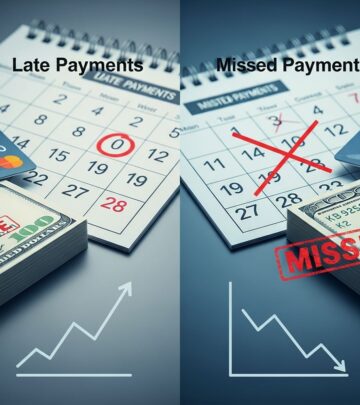
A credit delinquency occurs when a borrower fails to make a required payment by its due date, marking the account as overdue. Typically, accounts enter delinquency status after 30 days past due, at which point creditors often notify credit bureaus like Equifax, Experian, and TransUnion. This threshold aligns with standard billing cycles for credit cards, personal loans, and other revolving credit, distinguishing a brief oversight from a pattern of irresponsibility.
Unlike minor delays covered by grace periods—often 10 to 25 days—delinquencies reflect sustained non-payment. For instance, federal guidelines define delinquency as payment not received by the due date or grace period end in installment agreements. This precise timing sets the date of delinquency, a pivotal marker that determines how long negative information persists on reports.
The Timeline of Delinquency Progression
Delinquencies escalate in stages, each amplifying risks to your financial profile. Here’s how they unfold:
- 1-29 Days Late: Account is internally flagged as past due, but not yet reported externally. Late fees may apply, and grace periods offer a buffer.
- 30 Days Late: Formal delinquency; reported to bureaus. Scores begin to decline.
- 60-90 Days Late: Increased penalties, potential account restrictions, and deeper score damage. Collections notices intensify.
- 120+ Days Late: Severe status; risk of charge-off, where creditors write off the debt as a loss after about 180 days.
- Default: Culmination if unresolved; leads to legal actions like wage garnishment or lawsuits.
This progression underscores urgency: early intervention at 30 days can mitigate long-term fallout, as payment history comprises 35-41% of scores like FICO and VantageScore.
How Delinquencies Invade Your Credit Report
Once reported, delinquencies appear under the payment history section of your credit report, visible to lenders during inquiries. Bureaus categorize them by severity—30, 60, 90, or 120+ days late—painting a vivid picture of reliability. The original date of delinquency anchors the entire sequence, even if subsequent payments resume or debts settle.
Negative marks endure for seven years from this date, regardless of resolution. Consolidation, settlements, or charge-offs do not erase them; the impact simply fades over time. Multiple delinquencies compound harm, potentially slashing scores by 100+ points, especially on thin credit files.
| Delinquency Level | Typical Score Drop | Report Duration |
|---|---|---|
| 30 Days | 60-110 points | 7 years |
| 60-90 Days | 90-140 points | 7 years |
| 120+ Days / Charge-Off | 110-150+ points | 7 years |
Table data derived from aggregated credit scoring models; individual impacts vary by profile.
Immediate Financial Penalties and Risks
Beyond scores, delinquencies impose tangible costs. Late fees average $30-40 per occurrence, penalty APRs can exceed 29%, and accounts may freeze, blocking new charges. Prolonged issues invite collections agencies, amplifying stress through persistent contacts.
For specific debts like student loans, federal servicers report after 90 days, while private lenders may act at 30. Charge-offs signal creditor abandonment but retain borrower liability, often transferring to third-party collectors. In government debts, agencies pursue offsets, garnishments, or credit denials.
Real-World Scenarios: Delinquency in Action
Consider Alex, who misses a July credit card payment due to unexpected medical bills. By August’s end—30 days late—it’s reported, dropping his score from 720 to 620. Despite catching up in September, the July date lingers. Over months, repeated lapses lead to charge-off, yet the seven-year clock starts from that initial delinquency.
In another case, a student borrower delays federal loan payments post-graduation. At 90 days, bureaus learn, complicating apartment rentals and job applications reliant on credit checks. These examples highlight how everyday setbacks spiral without prompt action.
Strategies to Resolve Active Delinquencies
Swift response curtails damage. Contact creditors immediately upon missing payments; many offer hardship plans, reduced minimums, or forbearance. Document discussions and request written confirmations.
Options include:
- Payment Plans: Negotiate extended terms to regain current status.
- Debt Consolidation: Merge into a single loan with lower rates, though original marks persist.
- Credit Counseling: Nonprofit agencies provide budgeting and negotiation support.
- Settlements: Pay lump sums for less than owed, but expect tax implications on forgiven amounts.
Avoid scams promising instant removals; legitimate disputes target errors only.
Rebuilding Credit After a Delinquency
Recovery demands discipline. Prioritize on-time payments across all accounts—35% score weight rebounds gradually. Add positive history via secured cards or credit-builder loans.
Monitor reports weekly via AnnualCreditReport.com or free tools from bureaus. Dispute inaccuracies promptly: outdated delinquencies beyond seven years must drop off. Aim for low utilization (under 30%) and diverse credit mix to offset negatives.
Timeline for rebound:
- 3-6 Months: Stabilize with perfect payments; scores rise 20-50 points.
- 1-2 Years: Significant recovery if no new issues.
- 7 Years: Full removal, barring re-aging attempts.
Preventing Delinquencies: Proactive Financial Habits
Prevention trumps remediation. Automate payments to sidestep forgetfulness, maintain emergency funds covering 3-6 months’ expenses, and track due dates via apps or calendars.
Review statements monthly, understanding grace periods—credit cards often extend 21-25 days post-statement. Budget with the 50/30/20 rule: 50% needs, 30% wants, 20% savings/debt. For high-risk periods like job transitions, proactively discuss adjustments with lenders.
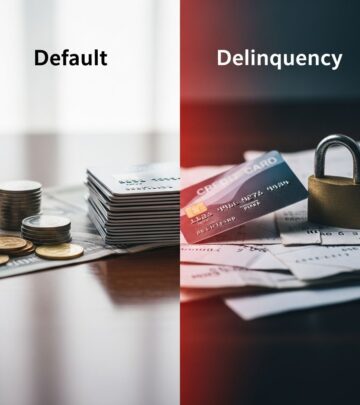
Delinquency vs. Default: Critical Distinctions
While delinquency signals initial lapse, default denotes failure after prolonged delinquency, varying by loan type (e.g., 90 days for some mortgages, 270 for federal students). Defaults trigger harsher measures like foreclosures or ineligibility for future federal aid. Early resolution keeps issues at delinquency level, preserving recovery options.
Frequently Asked Questions (FAQs)
What counts as the first date of delinquency?
The date 30 days after the original due date, or end of billing cycle, when reported to bureaus.
Can paying off a delinquent account remove it from my report?
No, accurate delinquencies stay seven years from the original date, even if paid.
How much does a 30-day delinquency hurt my credit score?
Typically 60-110 points initially, lessening over time based on overall profile.
Are delinquencies reported on all credit reports?
Yes, if creditor reports to Equifax, Experian, and TransUnion; check all three.
What if my delinquency is reported inaccurately?
Dispute via bureau portals or CFPB guidance; provide evidence for corrections.
Long-Term Financial Wellness Post-Delinquency
View delinquencies as temporary hurdles, not permanent barriers. Consistent habits rebuild trust with lenders, unlocking favorable terms. Regularly audit credit, diversify income, and educate on financial literacy to fortify against future lapses. With patience, most individuals restore strong profiles within 2-3 years.
References
- Date of Delinquency — Achieve. Accessed 2026. https://www.achieve.com/glossary/d/date-of-delinquency
- What Is a Delinquent Account? — Capital One. 2025-09-23. https://www.capitalone.com/learn-grow/money-management/delinquent-account-meaning/
- What Does a Delinquent vs Defaulted Loan Mean? — Centris FCU. Accessed 2026. https://www.centrisfcu.org/blog/what-is-loan-delinquency-vs-default/
- How to Deal With Delinquent Accounts — Credit Karma. Accessed 2026. https://www.creditkarma.com/credit/i/what-is-a-delinquent-account
- Chapter 6 Delinquent Debt Collection — U.S. Department of the Treasury. Accessed 2026. https://fiscal.treasury.gov/files/debt-management/chapter6.pdf
Similar Articles








Read full bio of Sneha Tete