Credit Cards vs. Emergency Savings: Smart Choices
Discover why relying on credit cards for emergencies can lead to debt traps and learn proven strategies to build a robust savings safety net.

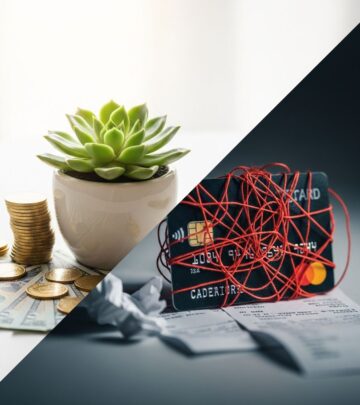
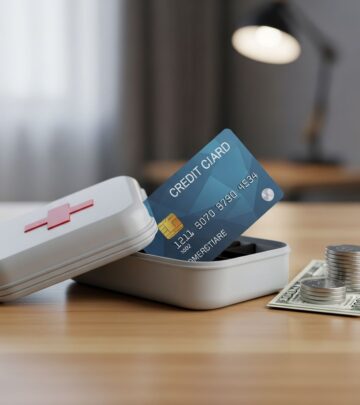
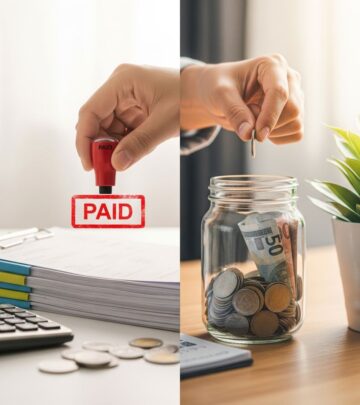
Unexpected expenses like medical bills, car repairs, or home maintenance can strike at any moment, prompting many to reach for their credit card. While convenient, treating a credit card as a substitute for dedicated emergency savings often leads to costly debt and long-term financial strain. Building a cash reserve offers a debt-free solution that preserves your credit health and provides peace of mind.
The Hidden Costs of Credit Card Dependency
Credit cards provide immediate access to funds, but this short-term fix comes with significant drawbacks. Average credit card interest rates hover around 20% or higher, turning a one-time expense into a prolonged financial burden if not paid off immediately. For instance, a $2,000 repair bill at 21% APR could accrue over $400 in interest within the first year alone if only minimum payments are made.
Interest Accumulation and Debt Cycles
Unlike savings, where money grows, credit card balances compound against you. Minimum payments primarily cover interest, extending repayment timelines. This cycle diverts future income from savings goals to debt servicing, making it harder to recover from subsequent emergencies.
Impact on Credit Health
High balances elevate your credit utilization ratio—the percentage of available credit you’re using—which accounts for 30% of your FICO score. Experts recommend keeping this under 30%; exceeding it can drop your score by 50-100 points, complicating future borrowing. Maxing out cards may also trigger issuer actions like limit reductions or account closures, especially during economic uncertainty.
| Risk Factor | Credit Card Impact | Savings Alternative |
|---|---|---|
| Interest Costs | 20%+ APR compounds debt | 4-5% APY grows funds |
| Credit Utilization | Rises above 30%, hurts score | No impact on credit |
| Future Access | Limit cuts or closures | Always available |
| Psychological Effect | Encourages overspending | Promotes discipline |
Why Cash Reserves Trump Borrowing Every Time
An emergency fund acts as a financial buffer, covering 3-6 months of essential living expenses without relying on credit. This approach avoids interest, maintains credit scores, and reduces stress during crises. Government resources emphasize that those without savings often turn to high-cost debt, perpetuating vulnerability.
Real-Life Scenarios Where Savings Shine
- Job Loss: Covers rent and groceries while job hunting, preventing credit max-out.
- Vehicle Breakdown: Funds repairs instantly, avoiding towing fees and rental car costs.
- Medical Emergencies: Pays deductibles without dipping into retirement accounts.
- Home Repairs: Handles roof leaks or appliance failures promptly to prevent escalation.
In contrast, credit card use in these situations risks compounding issues if income is disrupted.
Step-by-Step Guide to Establishing Your Safety Net
Starting an emergency fund requires intentionality, but even small contributions yield big results. Aim for $1,000 initially, then scale to cover full expenses.
- Assess Your Needs: Calculate monthly essentials (housing, food, utilities, transport) and multiply by 3-6 months.
- Automate Transfers: Set up weekly $20-50 deposits from checking to savings—consistency beats large lump sums.
- Select Optimal Accounts: Opt for high-yield savings with 4-5% APY, FDIC-insured up to $250,000.
- Build Incrementally: Celebrate milestones like $500, then $1,000 to stay motivated.
- Replenish After Use: Treat withdrawals as loans to yourself, prioritizing payback.
Account Options Comparison
| Account Type | APY Range | Accessibility | Best For |
|---|---|---|---|
| High-Yield Savings | 4-5% | Instant transfers | Core fund |
| Money Market | 3-4.5% | Check-writing | Larger balances |
| Short-Term CD | 4-5.5% | Penalty for early withdrawal | Portion of fund |
| Traditional Savings | 0.01-0.5% | Easy access | Beginners |
Online banks often provide superior rates without fees, ensuring liquidity.
Overcoming Obstacles to Saving Success
Common hurdles include tight budgets and competing priorities. Counter them by reviewing expenses for cuts—like subscriptions or dining out—and redirecting funds. If debt exists, use the avalanche method: pay high-interest balances first while funding savings minimally.
- No Budget? Start Simple: Track spending for one month using apps.
- Irregular Income? Save a percentage of every paycheck.
- Tempted to Spend? Use separate accounts with withdrawal limits.
Alternatives When Savings Fall Short
For expenses exceeding your fund, consider 0% intro APR cards (if creditworthy, FICO 690+), personal loans from credit unions, or 0% balance transfers—but only as bridges while rebuilding cash. Avoid payday loans or title loans due to triple-digit rates.
Frequently Asked Questions
How much should I save in an emergency fund?
Target 3-6 months of living expenses, starting with $1,000 for quick wins.
Where is the best place to park emergency funds?
High-yield savings accounts offer growth and liquidity without risk.
Can I use my emergency fund for non-emergencies?
No—reserve it strictly for true crises to maintain its purpose.
What if I have credit card debt already?
Balance debt repayment with small savings contributions to build habits.
How long does it take to build a full fund?
With $200/month, reach $6,000 in 2.5 years—adjust based on income.
Long-Term Financial Resilience Strategies
Beyond basics, diversify with employer 401(k) matches and insurance reviews to minimize uncovered risks. Monitor credit annually via free reports to catch issues early. Consistent habits transform vulnerability into security.
References
- Should I Use a Credit Card as My Emergency Fund? — Experian. 2023-10-15. https://www.experian.com/blogs/ask-experian/using-credit-card-as-emergency-fund/
- Why Credit Cards Aren’t an Ideal Emergency Fund — NerdWallet. 2024-05-22. https://www.nerdwallet.com/credit-cards/learn/credit-card-is-not-an-emergency-fund
- An Essential Guide to Building an Emergency Fund — Consumer Financial Protection Bureau. 2023-11-01. https://www.consumerfinance.gov/an-essential-guide-to-building-an-emergency-fund/
- Emergency Fund or Credit Card Debt? What’s the Better Choice? — Hoyes Michalos. 2023-08-10. https://www.hoyes.com/blog/emergency-fund-or-credit-card-debt-whats-the-better-choice/
- Should a Credit Card Serve as Your Emergency Fund? — Freedom Debt Relief. 2024-02-14. https://www.freedomdebtrelief.com/personal-finance/should-credit-card-serve-as-emergency-fund/
Similar Articles








Read full bio of medha deb