Credit Cards vs. Checking Accounts for Bill Payments
Understand the financial trade-offs between payment methods
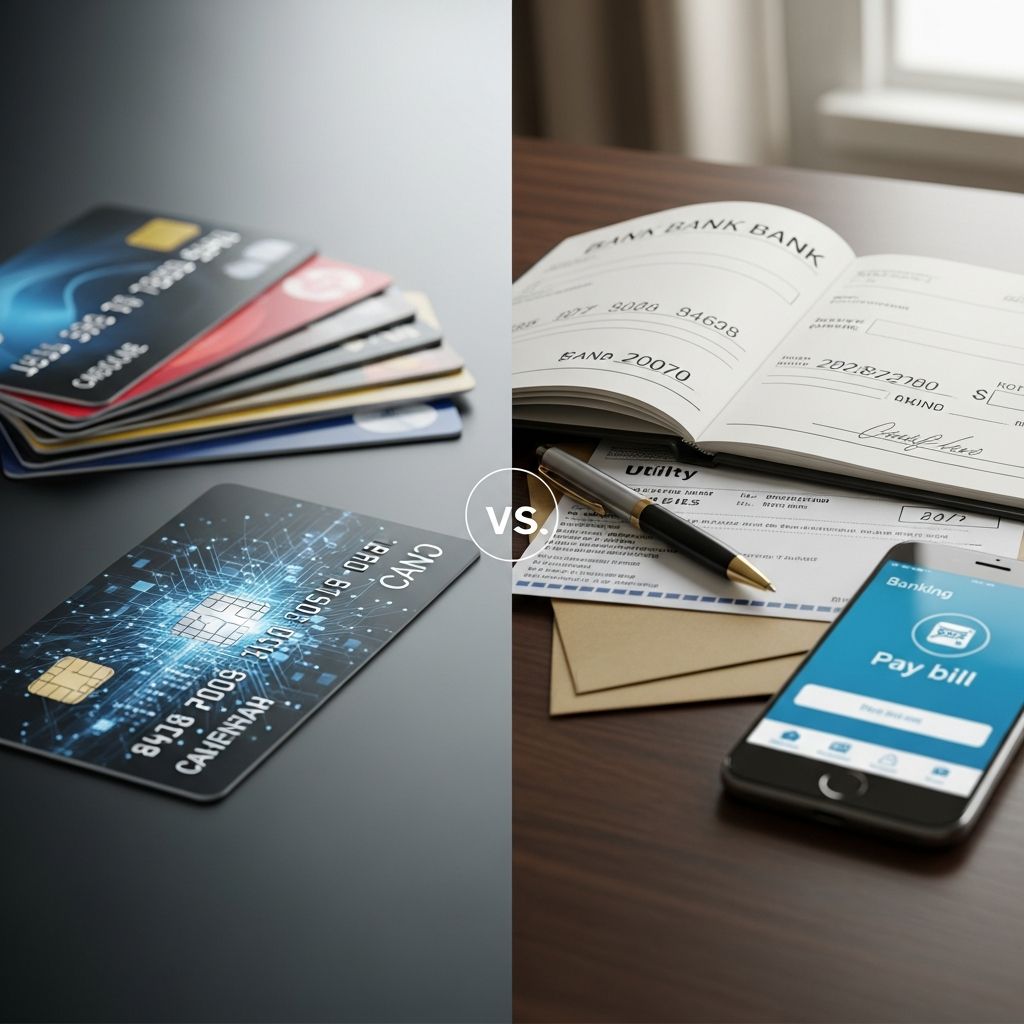
When bills arrive each month, most people face a recurring decision: should they pay from a credit card or use funds from their checking account? This choice may seem straightforward, but it carries significant financial implications. The decision affects your credit score, your ability to earn rewards, the fees you pay, and ultimately your overall financial health. Understanding the mechanics and consequences of each payment method helps you build a strategy that aligns with your financial goals.
The Case for Using Credit Cards
Paying bills with a credit card offers several compelling advantages for those who manage their finances responsibly. The primary appeal lies in the potential to earn valuable rewards on expenses you must pay anyway.
Earning Rewards and Building Points
Many credit cards offer cash back, travel miles, or points on purchases, including bill payments. Since utility bills, insurance premiums, and subscription services represent consistent monthly expenditures, charging them to a rewards card transforms mandatory spending into opportunities for financial gain. A household paying $200 monthly in bills on a card offering 2% cash back generates $48 annually—money that wouldn’t exist otherwise. Over multiple years, these accumulations grow meaningfully. Higher-tier rewards cards may offer even better rates for specific categories, allowing strategic cardholders to maximize their returns.
Payment Reliability and Automatic Processing
Setting up automatic payments through a credit card removes the burden of remembering due dates. This automation creates a safety net for those with busy schedules or multiple financial obligations. Unlike checking account withdrawals, credit card automatic payments process consistently regardless of account balance fluctuations. If you experience a temporary cash flow issue, a credit card payment still goes through, preventing the negative consequences of missed payments. This reliability proves especially valuable during unexpected financial disruptions.
Credit Score Enhancement Opportunities
For individuals building credit histories, putting bills on credit cards and paying balances on time establishes positive payment records. Credit bureaus track credit card payment history, using it as the most significant factor in credit score calculations. Consistent, on-time payments demonstrate reliability to future lenders, potentially improving terms on mortgages, auto loans, or other credit products. This benefit particularly helps those early in their credit-building journey, though the advantage applies to anyone strengthening their credit profile.
Keeping Dormant Accounts Active
Routing one or more bills through a credit card you rarely use otherwise prevents account closure. Credit card companies sometimes deactivate accounts showing no activity, which ironically can harm your credit score by reducing your average account age. Maintaining an open account through modest monthly charges preserves this credit history element without requiring significant spending elsewhere.
The Drawbacks of Credit Card Bill Payments
Despite these advantages, paying bills with credit cards introduces risks that can outweigh the benefits if not managed carefully.
Convenience Fees Reducing Rewards Value
Many bill providers impose fees when accepting credit card payments, particularly for larger bills or specific categories. Utility companies, insurance providers, and tax agencies often charge percentage-based fees ranging from 2% to 4% of the payment amount. A $500 insurance premium paid by credit card might incur a $15 fee, eliminating much of the rewards value. Even 2% cash back rewards don’t offset a 3% convenience fee. Consumers must calculate whether rewards actually exceed fees for each bill type before committing to this payment method.
The Debt Accumulation Trap
Paying multiple bills via credit card rapidly increases account balances, creating a dangerous dynamic for those unable to pay full balances monthly. If you struggle to maintain minimum payments, interest accrual transforms card usage into a wealth-destroying tool. High credit card interest rates compound quickly on large balances, eventually costing far more than any rewards earned. This trap particularly snares individuals with inconsistent income or unexpected expenses, where credit card flexibility seems appealing but creates long-term debt problems.
Credit Utilization Concerns
Credit cards with bills charged to them simultaneously consume available credit limits. Credit utilization ratios—the percentage of available credit you’re actively using—significantly impact credit scores. Maintaining high balances due to bill payments can push utilization above recommended thresholds, paradoxically harming the credit scores you initially tried to improve through timely payments.
Late Payment Consequences
Despite automation advantages, payment failures happen. Late credit card payments triggered by insufficient funds, processing errors, or account issues create severe credit consequences. A single late payment reported to credit bureaus remains on your credit report for seven years. Beyond credit damage, service providers may charge late fees or even terminate services. The risk amplifies when multiple bills depend on a single credit card account.
Why Checking Accounts Provide Stability
Using checking accounts for bill payments offers a fundamentally different approach with distinct advantages.
Straightforward Credit Impact
Checking account transactions don’t report to credit bureaus, meaning bill payments from this source neither help nor harm your credit score. For those not actively building credit, this neutrality reduces complexity. You pay bills without artificial incentives affecting your financial behavior. The payment simply transfers funds from your account to the provider’s account, reflecting basic financial management rather than credit-building activity.
Potential Cost Savings
Some service providers offer discounts for paying directly from checking accounts, recognizing that they avoid credit card processing fees. These savings, while not guaranteed, provide incentives worth investigating. A utility company offering a 0.5% discount on checking account payments effectively beats most cash back rewards, especially when credit card convenience fees are considered.
Simplified Financial Management
Keeping bills within checking accounts provides transparency and simplicity. You see exactly what leaves your account, when it leaves, and whether sufficient funds exist. This directness eliminates the complexity of tracking credit card balances separately from checking balances. For those preferring straightforward financial systems without intermediary steps, this approach resonates strongly.
The Overdraft Risk Factor
Automatic checking account withdrawals introduce an important vulnerability. If insufficient funds exist when an automatic payment attempts processing, your bank may charge overdraft fees or nonsufficient funds fees. These penalties can range from $25 to $35 per occurrence, and multiple failed payments trigger multiple fees. Additionally, unpaid fees can be sent to collections, harming credit scores. Building a buffer in your checking account mitigates this risk but requires financial discipline and cash flow planning.
Identifying Bills Accepting Credit Card Payments
Not all providers accept credit card payments, and among those who do, policies vary significantly.
Common Providers Accepting Credit Cards
Typical categories allowing credit card payments include:
- Cable and internet service providers
- Utility companies (electricity, gas, water)
- Cellular phone providers
- Streaming and subscription services
- Insurance companies (auto, home, health)
- Tax agencies (federal and state)
- Gym memberships and fitness services
However, policies vary by specific provider. Some charge fees while others don’t. Rental payments and tuition often face substantial credit card fees, making checking account payments more economical.
How to Verify Payment Options
Before assuming a provider accepts credit cards, contact them directly or check their website. Ask specifically about fees, payment processing times, and any minimum or maximum payment amounts. This verification prevents assumptions leading to payment failures or unexpected charges.
Strategic Decision Framework
Rather than universally choosing one method, sophisticated financial management involves evaluating each bill individually.
When Credit Cards Make Sense
Use credit cards for bills when:
- You can pay the full credit card balance when the statement arrives
- Your card offers rewards that exceed any convenience fees charged by the provider
- You’re actively building credit and benefit from the payment history record
- You have historically maintained lower credit utilization and adding this bill won’t push you above 30%
- You have sufficient monthly cash flow to cover all charges without carrying balances
When Checking Accounts Are Preferable
Use checking accounts for bills when:
- The provider charges convenience fees exceeding potential rewards
- You might struggle to pay off high credit card balances accumulated from bills
- The provider offers discounts for direct account payments
- You’re managing multiple large bills that could push credit utilization too high
- You prefer simplicity and direct fund transfers without intermediary tracking
Frequently Asked Questions
Can I use a debit card to pay bills?
Yes, many providers accept debit cards. Debit card payments function similarly to credit card payments regarding processing and posting times, but offer fewer consumer protections and no rewards. Debit cards also carry overdraft risks similar to checking account withdrawals if linked to your account.
How long does payment processing take?
Credit card payments typically post within one to two business days, significantly faster than mailed checks which require delivery, deposit, and clearing. This speed advantage matters when payment timing is critical.
Should I avoid credit cards for large bills?
Large bills like rent often carry substantial convenience fees, sometimes 3% or more. For a $1,500 rent payment, a 3% fee means $45 in charges, far exceeding typical rewards. Checking account payments avoid these fees entirely, making them economically sensible for large payments despite losing potential rewards.
How do grace periods factor into decisions?
Credit cards typically offer grace periods of 21 to 30 days before interest charges begin. This grace period allows time to arrange payment funds before interest accrual. However, only relying on grace periods as financial planning strategy creates dangerous habits leading to interest charges.
Creating Your Personal Bill Payment Strategy
Effective bill payment management combines both methods strategically. Smaller bills with no convenience fees—streaming services, gym memberships, phone bills—work well on rewards credit cards if you maintain low utilization and pay balances completely. Large bills, especially those with convenience fees, belong in checking accounts. Insurances and utilities split based on your card’s specific rewards, the provider’s fee structure, and your financial situation.
The most important principle remains constant: pay balances completely when bills arrive. Whether using credit cards or checking accounts, carrying balances transforms bill payment into debt accumulation. Automation through either method provides reliability, but automation only succeeds when sufficient funds exist to cover payments.
Review your current bill payment methods quarterly. Changing credit card rewards, shifting provider fee policies, and evolving financial circumstances justify periodic reassessment. What works optimally this year might require adjustment next year. Financial flexibility and informed decision-making ultimately determine whether bill payment methods serve your broader wealth-building objectives.
References
- Should I Pay Bills with a Credit Card or Checking Account? — Experian. 2024. https://www.experian.com/blogs/ask-experian/should-i-pay-bills-with-a-credit-card-or-checking-account/
- Pros and Cons to Paying Your Bills with a Credit Card — Alltru Credit Union. 2024. https://alltrucu.org/blog/pros-and-cons-to-paying-your-bills-with-a-credit-card/
- Should I Pay Bills with a Credit Card? — Regions Bank. 2024. https://www.regions.com/insights/personal/article/should-i-pay-bills-with-a-credit-card
- Should You Pay a Bill with a Credit Card? — Hudson Valley Credit Union. 2024. https://www.hvcu.org/learning-center/when-does-it-make-sense-to-pay-a-bill-with-a-credit-card/
- The Pros and Cons of Paying Bills with a Credit Card — Michigan First Credit Union. 2024. https://michiganfirst.com/Education/MoneyWise-Blog/Credit-and-Debt/The-Pros-and-Cons-of-Paying-Bills-with-a-Credit-Ca
Similar Articles








Read full bio of medha deb