Credit Cards: Good or Bad?
Uncover the real truth about credit cards: powerful tools for building wealth or hidden traps for debt? Learn how to use them wisely.
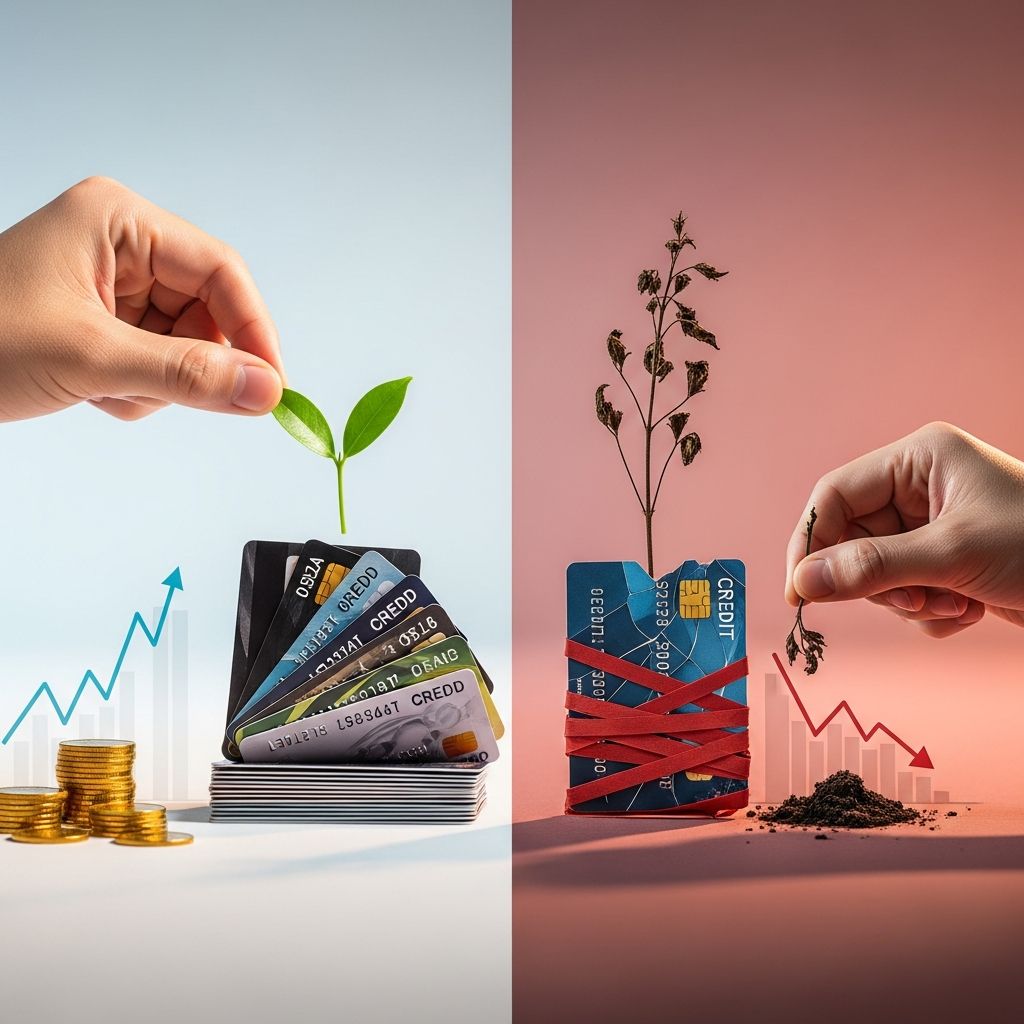
Credit cards serve as versatile financial instruments that can either propel your financial health forward or drag it into troubled waters, depending entirely on how you wield them. Far from being outright villains or heroes, they offer a blend of opportunities and pitfalls that demand careful navigation. This article delves into their multifaceted nature, drawing on current trends and data to equip you with the knowledge to make them work for you.
The Dual Nature of Credit Cards
At their core, credit cards extend a line of credit from issuers, allowing purchases now with repayment later. This mechanism underpins both their appeal and their dangers. When used strategically, they facilitate credit score improvement, reward accumulation, and purchase protection. However, irresponsible habits like carrying balances can trigger exorbitant interest rates, currently averaging over 21% according to Federal Reserve data.
In 2026, the landscape evolves with issuers ramping up perks amid economic pressures, yet consumers face steeper fees and complex reward structures. Understanding this balance is key to harnessing their power without falling prey to common traps.
Key Benefits That Make Credit Cards Valuable
Credit cards shine in several practical areas, transforming everyday spending into advantages.
- Establishing and Strengthening Credit History: Regular, on-time payments build a positive payment history, the most influential factor in credit scoring models. Tools like Experian Boost allow reporting rent and utility payments to further bolster scores without traditional credit use.
- Earning Rewards and Cash Back: Many cards provide 1-5% returns on categories like groceries or travel. Unlimited cash back options, such as 1.5% on all purchases, add up quickly for disciplined users.
- Fraud and Theft Safeguards: Unlike debit cards, where losses can hit your bank balance immediately (up to $500 liability), credit cards limit your risk to $50 if reported promptly. Issuers often refund unauthorized charges entirely.
- Interest-Free Financing Periods: 0% APR introductory offers on purchases or balance transfers enable debt consolidation or large buys without immediate interest, provided balances are cleared before promo ends.
- Convenience and Flexibility: No need to carry cash; digital wallets integrate seamlessly. Deferred payment plans mimic buy-now-pay-later services with potentially lower fees.
These perks position credit cards as superior to cash for security and rewards, especially in a digital economy.
Potential Drawbacks and How They Arise
Despite advantages, credit cards harbor risks amplified by behavioral and structural factors.
- Steep Interest Charges: Variable APRs hover around 21.59%, per Federal Reserve stats. Carrying a balance compounds debt rapidly—$1,000 at 22% accrues $220 yearly if unpaid.
- Hidden Fees and Rate Traps: Late fees, annual charges (now $500+ for premium cards), and deferred interest on 0% promos catch off-guard users. In 2025-2026, issuers like Chase and Amex hiked fees to $795-$895 while adding credits that require effort to utilize.
- Overspending Temptation: The ‘buy now, pay later’ illusion encourages impulse buys. Studies show credit users spend 12-18% more than cash users due to reduced ‘pain of paying’.
- Credit Score Vulnerabilities: High utilization over 30% or missed payments tank scores. Multiple applications trigger hard inquiries, dinging scores temporarily.
- Complexity in Rewards: 2026 trends reveal convoluted systems—dual currencies, rotating categories—demanding math prowess to maximize value.
These issues underscore why over 40% of cardholders carry debt, per recent surveys, turning a tool into a burden.
Navigating 2026 Credit Card Trends
The industry shifts in 2026 reflect consumer demands and issuer strategies. Premium cards balloon fees but pack merchant credits, lounge access, and streaming perks to offset costs—yet redemption demands vigilance.
| Trend | Impact on Users | Example |
|---|---|---|
| Higher Annual Fees | Increased costs for luxury perks | Amex Platinum: $695 to $895 |
| Complex Rewards | Harder to optimize earnings | Bilt’s dual-currency cards |
| AI Personalization | Tailored offers and tips | Custom credit building advice |
| Potential Rate Caps | Possible relief on APRs | Ongoing Fed discussions |
| Gen Z Focus | Rent rewards, no-fee options | Chime-like innovations |
Expect a ‘wait-and-see’ on further hikes, with issuers balancing profitability against churn risks.
Strategies for Responsible Credit Card Use
To tip the scales toward benefits, adopt these proven tactics:
- Pay in Full Monthly: Avoid interest by treating cards like debit—clear balances before statements close.
- Monitor Utilization: Keep balances under 30% of limits; request increases to dilute ratios without spending more.
- Set Spending Limits: Use apps for alerts; budget via 50/30/20 rule (needs/wants/savings).
- Leverage Promotions: Time big purchases for 0% periods; transfer high-interest debt strategically.
- Review Statements: Spot errors or fraud early; dispute charges promptly.
Tools like rent reporting and boost features accelerate credit building without risk.
Who Benefits Most from Credit Cards?
Ideal Users: Those with steady income, discipline, and spending alignment to rewards. Young adults building credit or frequent travelers thrive.
Caution for: Impulse spenders, low-income households, or debt-prone individuals. Alternatives like secured cards or debit with rewards suit beginners.
Statistics reveal: Responsible users (paying full) enjoy 2-5% effective returns; carriers average $1,000+ yearly interest costs.
Alternatives to Traditional Credit Cards
- Debit Cards with Rewards: Lower risk, no debt, but less protection.
- Buy Now, Pay Later (BNPL): Short-term financing, fee-free if timely.
- Secured Cards: Build credit with deposit as limit.
- Charge Cards: Must pay full monthly, premium perks.
Each fits niches where credit cards falter.
Frequently Asked Questions (FAQs)
Are credit cards bad for your credit score?
No, when used responsibly—timely payments boost scores. High balances or lates harm them.
Can I use credit cards to build credit from scratch?
Yes, secured cards or authorized user status start histories effectively.
What is a good credit utilization ratio?
Under 30%, ideally 10% or less for optimal scoring.
Do credit card rewards outweigh fees?
Often yes for heavy spenders; calculate annual value vs. fees.
How do 0% APR offers work?
Interest-free periods (6-21 months); pay off fully to avoid retroactive charges.
Final Thoughts on Mastering Credit Cards
Credit cards are neither good nor bad—they amplify your financial habits. With discipline, they unlock rewards, security, and credit power. In 2026’s dynamic market, stay informed on trends, choose wisely, and prioritize payoff. This approach turns potential liabilities into assets, fostering long-term wealth.
References
- Pros and Cons of Credit Cards in 2025-2026 — Chime. 2025. https://www.chime.com/blog/pros-and-cons-of-credit-cards/
- 5 Credit Card Trends to Watch for in 2026 — NerdWallet. 2026. https://www.nerdwallet.com/credit-cards/news/credit-card-trends-2026
- 2026 Credit Card Predictions: Will Consumers Win Or Lose? — Bankrate. 2026. https://www.bankrate.com/credit-cards/news/2026-credit-card-predictions/
- What credit cardholders should know for 2026 — Corserv Solutions / Yahoo Finance. 2026. https://www.corservsolutions.com/yahoo-finance-what-cardholders-should-know-in-2026/
Similar Articles








Read full bio of medha deb