Using Credit Cards to Purchase Gift Cards
Learn how to strategically buy gift cards with credit cards while avoiding fees and maximizing rewards.
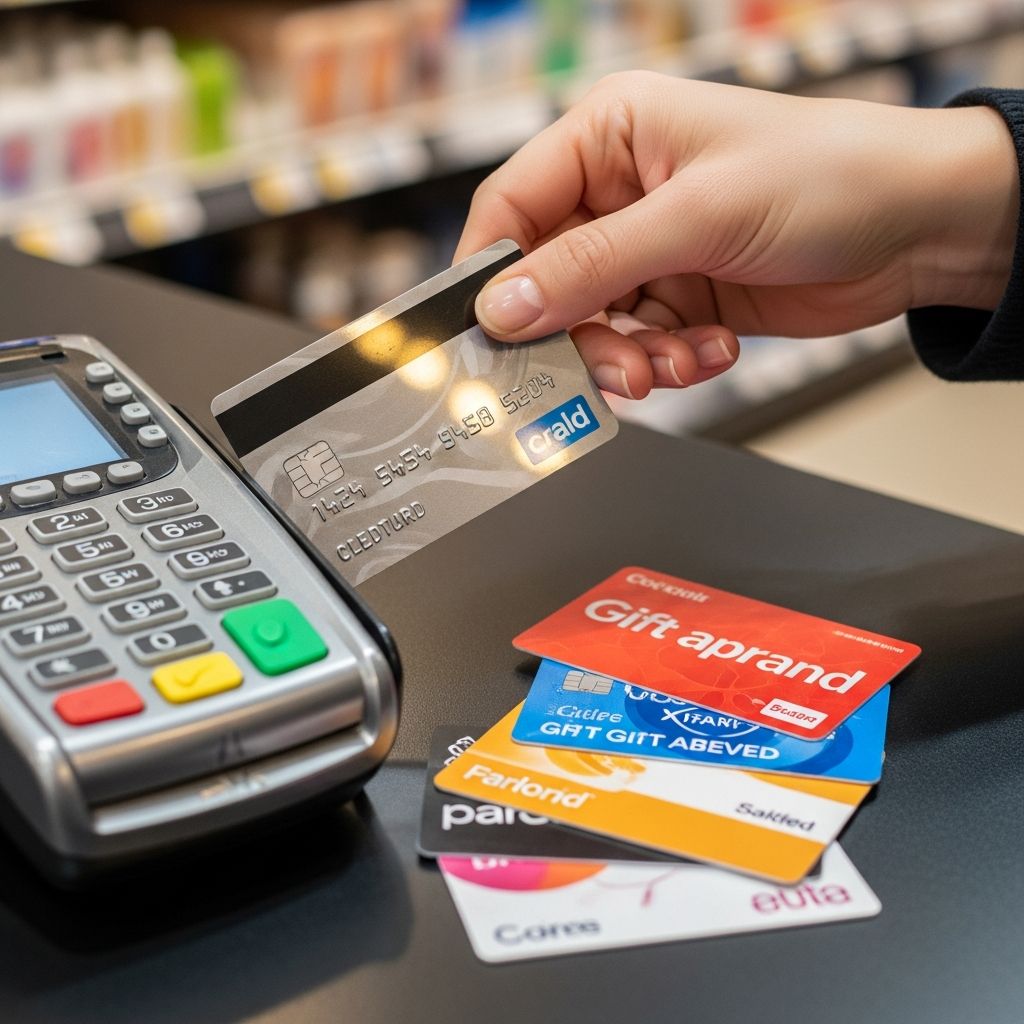
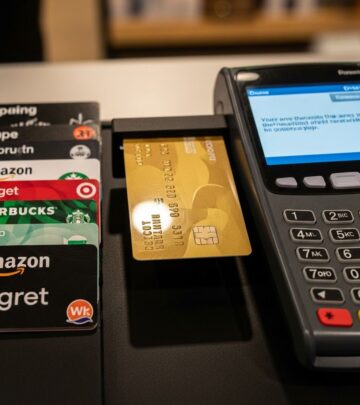
Gift cards have become a popular choice for both giving and receiving, offering flexibility and convenience to recipients. One common question many cardholders face is whether they can purchase gift cards using their credit cards. The short answer is yes—in most situations, you can use a credit card to buy gift cards. However, the decision to do so depends on several factors, including your credit card’s specific policies, the type of gift card you’re purchasing, and your overall financial habits.
Understanding Gift Card Categories
Before deciding whether to use your credit card for a gift card purchase, it’s important to understand the different types of gift cards available in the marketplace. Gift cards generally fall into two distinct categories, each with different uses and purchasing considerations.
Retail-Specific Gift Cards
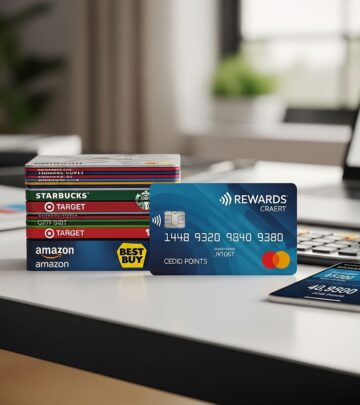
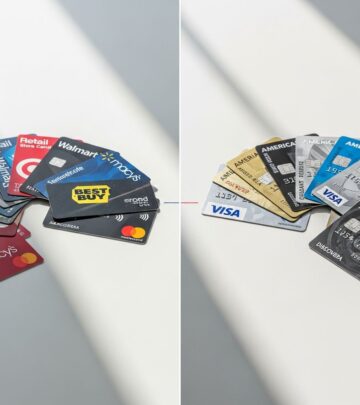
Retail-specific gift cards are designed to be used exclusively at particular stores or restaurant chains. These closed-loop cards work only within that specific merchant’s network. Examples include gift cards to grocery stores, clothing retailers, restaurants, or specialty shops like Sephora or Lowe’s. When you purchase a retail gift card with your credit card, the transaction is typically straightforward and straightforward, as the retailer processes it as a regular merchandise purchase. These types of purchases usually don’t trigger cash advance fees or other complications from your credit card issuer.
Network and Prepaid Gift Cards
Network gift cards, also known as open-loop cards, offer significantly more flexibility than their retail counterparts. These cards are issued by major payment networks such as Visa, Mastercard, or American Express and can be used virtually anywhere that network’s cards are accepted. This broader usability makes them valuable options for recipients who want maximum purchasing freedom. However, the flexibility comes with trade-offs—these cards often carry activation fees ranging from $2.95 to $6.95, and credit card issuers may classify them differently in their payment systems.
The Cash Advance Complication
One of the most critical considerations when purchasing gift cards with a credit card is how your issuer classifies the transaction. This distinction can significantly impact the cost of your purchase and the overall value proposition of using your credit card for this purpose.
How Cash Advances Differ from Standard Purchases
Most credit card issuers treat retail gift card purchases the same as regular merchandise transactions. However, prepaid network gift cards present a problem. Some credit card companies classify purchases of Visa, Mastercard, or American Express gift cards as cash advances rather than regular purchases. This classification matters enormously because cash advances carry substantially different terms and costs than standard retail transactions.
When your credit card issuer treats a gift card purchase as a cash advance, you may encounter three significant costs:
- Cash advance fees: Typically ranging from 3 to 5% of the amount charged
- Higher interest rates: Often substantially higher than your standard purchase APR
- Immediate interest accrual: Interest begins accumulating from day one, with no grace period
In contrast, regular purchases typically offer a grace period (often 20-30 days) before interest begins to accrue, allowing you to pay off your balance interest-free if you meet payment deadlines.
Determining Your Card’s Policies
Because policies vary significantly among credit card issuers, the only reliable way to know how your specific card handles gift card purchases is to consult your cardholder agreement or contact your card issuer directly. This is particularly important if you’re planning to purchase prepaid network cards. Making this determination before your purchase can save you from unexpected fees and unfavorable interest charges.
Reward Opportunities and Benefits
Despite potential complications, purchasing gift cards with your credit card can offer meaningful financial benefits through rewards programs. If your card issuer processes the transaction as a regular purchase (not a cash advance), you may earn rewards points, cash back, or other incentives on your gift card purchase, just as you would on any other retail transaction.
Maximizing Your Rewards Potential
Strategic shoppers can enhance their rewards earnings by aligning gift card purchases with their credit card’s bonus categories. Some cards offer elevated rewards rates for specific purchase categories such as groceries, gas, or entertainment. If gift card purchases fall within these bonus categories, you could earn significantly more than your standard rewards rate. For example, if your card offers 3% cash back on grocery store purchases and you buy a restaurant gift card at your local supermarket, you might earn 3% cash back on that purchase instead of your typical 1%.
Retailer-Specific Considerations
Some retailers have created their own branded credit cards with special incentives. However, these retailers often exclude gift card purchases from their promotional benefits. For instance, if a store offers 5% cash back to cardholders, that discount may not apply to gift card purchases made with the branded card. Always review the terms before assuming you’ll earn the card’s standard rewards rate on gift card transactions.
Regulatory Protections and Limitations
It’s important to understand that gift cards don’t carry the same protections as credit card transactions. Federal law requires that gift cards remain valid for at least five years from the date of activation, and restrictions on expiration dates and fees are limited by law. However, unlike credit card purchases that offer fraud protection and dispute resolution mechanisms, gift card fraud protection may be more limited. This distinction means you should be particularly careful about purchasing gift cards online or through unfamiliar channels.
Merchant and Issuer Restrictions
Understanding the various restrictions that apply to gift card purchases can help you avoid frustration at the checkout or complications with your credit card account.
Per-Transaction Purchase Limits
Many retailers impose limits on the number of gift cards you can purchase in a single transaction or within a specific time period. These limits vary considerably by retailer. For example, some retailers allow up to five network gift cards per person per day, while others may set their threshold at different numbers or amounts. Walgreens, for instance, cancels orders of certain gift card types when the combined amount exceeds $750 for pickup orders. These limits exist partly to prevent fraud and partly to manage inventory.
Credit Card Issuer Restrictions
Beyond retailer limits, your credit card company may also flag unusual gift card purchasing patterns as potential fraud. If you attempt to purchase many gift cards in a short timeframe, your card issuer might temporarily decline transactions or contact you to verify the purchases are legitimate. This protective measure can be inconvenient but serves to prevent unauthorized account use.
Strategic Considerations for Your Purchase Decision
Determining whether to use your credit card for gift card purchases requires careful consideration of your specific circumstances and the particular purchase you’re making.
When Credit Card Purchases Make Sense
Using your credit card to purchase one or two gift cards to established retailers—such as a restaurant, supermarket, or major retailer—typically represents a straightforward, beneficial transaction. You’ll likely earn rewards without encountering complications. These routine purchases pose minimal risk and can generate real financial benefits through your rewards program.
When to Exercise Caution
Conversely, purchasing multiple high-value prepaid network gift cards in a single shopping trip represents a riskier proposition. This scenario carries elevated risks of cash advance classification, fraud alerts, transaction declines, and unexpected fees. If you need to purchase multiple prepaid cards, spacing out your purchases over several days or weeks and using different payment methods can help avoid triggering fraud detection systems.
Making an Informed Decision
| Scenario | Recommendation | Potential Benefits | Potential Risks |
|---|---|---|---|
| Single retail gift card ($50-100) | Generally Recommended | Earn rewards, convenient | Minimal |
| One prepaid network card | Check Card Terms First | Earn rewards if not cash advance | May incur cash advance fees |
| Multiple prepaid cards in one trip | Not Recommended | Bulk purchase efficiency | Fraud alerts, fees, restrictions |
| Large value gift cards ($500+) | Use Different Method | May avoid scrutiny | Higher fraud risk, limits apply |
Frequently Asked Questions About Gift Card Purchases
Does purchasing a gift card count as a cash advance?
The answer depends on the type of gift card and your credit card issuer’s policies. Store-specific gift cards typically don’t count as cash advances and are processed as regular purchases. However, prepaid Visa or Mastercard gift cards may be classified as cash advances by some issuers, subjecting you to cash advance fees and higher interest rates. Always verify with your issuer before purchasing.
Can I buy prepaid Visa or Mastercard gift cards with my credit card?
Yes, you can purchase prepaid Visa or Mastercard gift cards with a credit card. However, your issuer may classify this as a cash advance, which could result in fees and immediate interest accrual. Before making this purchase, contact your card issuer to understand how they classify such transactions and what fees might apply.
What purchase fees should I expect?
Store-specific gift cards typically don’t carry activation fees beyond their stated value. However, prepaid network cards often include activation or purchase fees ranging from $2.95 to $6.95 in addition to the card’s face value. These fees apply regardless of your payment method.
Are there limits on how many gift cards I can purchase?
Yes, retailers typically impose limits ranging from 3 to 5 cards per person per day or transaction, though this varies by store. Additionally, the total dollar amount may be restricted. Your credit card issuer may also flag large quantities of gift card purchases as potentially fraudulent and temporarily decline the transaction.
Can I earn rewards on gift card purchases?
In most cases, yes—when the transaction is processed as a regular purchase. You’ll typically earn whatever rewards rate your card normally offers, or potentially a higher rate if the purchase falls within a bonus category. However, some branded retail cards exclude gift card purchases from their promotional rewards, so verify your specific card’s terms.
Tips for Safe and Strategic Gift Card Purchases
- Review your card agreement: Before purchasing, familiarize yourself with your issuer’s policies on gift card transactions, especially for prepaid cards
- Call ahead for large purchases: If you plan to purchase high-value or multiple gift cards, contact your issuer to prevent fraud alerts
- Check retailer policies: Know the store’s limits on gift card purchases before arriving to make your purchase
- Space out bulk purchases: Spread multiple gift card purchases across different shopping trips and different days
- Avoid cash advance fees: Stick with store-specific cards when possible, or use cash or debit cards for prepaid network cards if your credit card treats them as cash advances
- Compare total cost: Factor in any fees, interest charges, or cash advance costs against the rewards value you’ll earn
Conclusion
Purchasing gift cards with your credit card can be a smart financial move when done strategically and with full knowledge of your card’s terms. The key lies in understanding your specific credit card’s policies, the type of gift card you’re purchasing, and any restrictions that apply. For routine purchases of store-specific gift cards, using your credit card typically makes sense because you’ll earn rewards without complications. However, for prepaid network cards or large bulk purchases, taking time to verify your issuer’s policies and consider alternative payment methods can save you from unexpected fees and interest charges. By approaching gift card purchases thoughtfully and remaining informed about your card’s terms, you can maximize the value of your purchases while avoiding costly surprises.
References
- Can You Buy Gift Cards With a Credit Card? — NerdWallet. 2025. https://www.nerdwallet.com/credit-cards/learn/can-you-buy-gift-cards-with-a-credit-card
- Can I Buy a Gift Card With a Credit Card? What Retailers Allow — Remitly. 2025. https://www.remitly.com/blog/finance/can-i-buy-a-gift-card-with-a-credit-card/
- Can You Buy Gift Cards With a Credit Card? — Capital One. May 20, 2025. https://www.capitalone.com/learn-grow/money-management/can-you-buy-gift-cards-with-a-credit-card/
- Can You Buy Gift Cards With A Credit Card? — Bankrate. 2025. https://www.bankrate.com/credit-cards/advice/can-you-buy-gift-cards-with-a-credit-card/
- Can You Buy Gift Cards With a Credit Card? — American Express. 2025. https://www.americanexpress.com/en-us/credit-cards/credit-intel/buy-gift-cards-with-a-credit-card/
- What You Should Know About Gift Cards — Federal Deposit Insurance Corporation (FDIC). December 2024. https://www.fdic.gov/consumer-resource-center/2024-12/what-you-should-know-about-gift-cards
Similar Articles








Read full bio of Sneha Tete