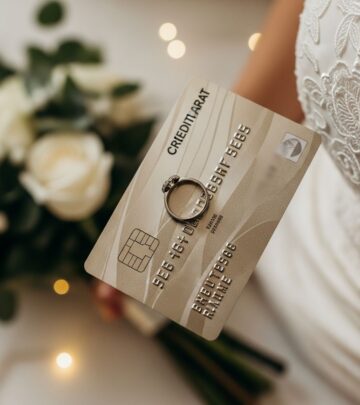
Credit Cards for Weddings: Smart or Risky?
Explore the advantages and pitfalls of funding your wedding with credit cards to make informed financial choices for your big day.

Weddings represent one of life’s major milestones, often accompanied by substantial financial commitments. With average costs hovering around $28,000 or more in recent years post-pandemic recovery, many couples contemplate using credit cards to manage these expenses. This approach offers flexibility but carries potential drawbacks. This article examines whether leveraging credit cards aligns with your financial goals, providing strategies to harness benefits while mitigating risks.
Understanding Wedding Costs in Today’s Economy
Post-2020, wedding expenditures dipped significantly due to global events, averaging about $19,000. However, projections indicate a rebound to pre-pandemic figures exceeding $28,000 as restrictions lift. Key outlays include venues, catering, attire, photography, and honeymoons, each demanding upfront payments that strain savings.
Couples face a dilemma: pay cash and risk depleting emergency funds, or finance via credit? Credit cards emerge as a popular intermediary, promising rewards and deferred payments. Yet, success hinges on disciplined repayment to prevent long-term burdens.
Key Advantages of Credit Card Financing for Weddings
Credit cards provide tools that can offset wedding costs if used judiciously. Here’s how they shine:
- Introductory 0% APR Offers: Select cards feature 0% interest on purchases for 12-21 months, allowing interest-free repayment over time. This is ideal for spreading costs without immediate full payment.
- Rewards Accumulation: High spending on vendors racks up points, miles, or cash back rapidly. These can fund honeymoons or future trips, potentially covering flights or hotels.
- Flexible Borrowing: Unlike fixed personal loans, cards let you charge only what’s needed—no overborrowing risk. Adjust spending dynamically as plans evolve.
- Protections and Perks: Built-in fraud protection, purchase guarantees, and travel insurance safeguard deposits and trips.
These features transform credit cards into strategic assets, especially for planned spenders.
Potential Drawbacks and Hidden Costs
Despite perks, pitfalls abound. Awareness is crucial to avoid financial strain:
- Debt Accumulation: Easy swiping fosters overspending, as charges feel less immediate than cash. Entering marriage with balances erodes honeymoon joy.
- Post-Promo Interest Rates: After 0% periods, APRs soar to 15-25% or higher, dwarfing personal loan rates. Lingering balances compound quickly.
- Credit Score Vulnerabilities: Maxed cards elevate utilization ratios above 30%, dinging scores. Late payments cause deeper damage, complicating future mortgages.
- Additional Fees: Annual fees on premium rewards cards, plus 2-4% vendor surcharges, erode savings. Cash advances trigger immediate high-interest traps.
These risks underscore the need for a repayment blueprint before swiping.
Comparing Financing Options: Credit Cards vs. Alternatives
To decide, contrast credit cards with other methods. The table below highlights trade-offs:
| Option | Pros | Cons | Best For |
|---|---|---|---|
| Credit Cards | 0% APR intro, rewards, flexibility | High post-promo rates, debt risk | Short-term payoff plans |
| Personal Loans | Fixed rates (7-12%), predictable payments | Upfront fees, less flexibility | Longer repayment needs |
| Cash/Savings | No debt or interest | Depletes liquidity | Ample reserves |
| Home Equity Loans | Low rates (4-8%) | Collateral risk, closing costs | Homeowners |
Credit cards excel for rewards seekers with payoff discipline; loans suit those preferring structure.
Strategies for Responsible Credit Card Use
Maximize upsides with these tactics:
- Select Optimal Cards: Target 0% APR balance transfer cards like Chase Freedom Unlimited or Citi Simplicity for 15-21 months promo.
- Budget Rigorously: Cap spending at repayable amounts within promo windows. Use tools like spreadsheets to project monthly payments.
- Leverage Sign-Up Bonuses: New accounts often yield 50,000+ points after minimum spend, aligning with wedding outlays.
- Negotiate Vendor Fees: Seek waivers or choose card-friendly providers to minimize surcharges.
- Monitor Utilization: Keep balances under 30% of limits; pay down frequently to preserve scores.
Automate payments to sidestep late fees, ensuring perks outweigh costs.
Real-World Examples and Lessons
Consider a couple charging $20,000 on a 0% APR card. Monthly payments of $1,500 clear it in 14 months interest-free, earning $400 cash back for honeymoon flights. Success stems from pre-committed savings transfers.
Contrastingly, overspenders carrying $15,000 past promo face $300+ monthly interest at 20% APR, ballooning to $18,000+ in two years. Credit dips delay homebuying.
These scenarios illustrate discipline’s role.
Protecting Your Credit Health During Wedding Planning
Weddings coincide with life changes like home purchases. Maintain scores via:
- Timely payments (35% of score).
- Low utilization (<30%).
- Multiple accounts for history depth.
Avoid new applications near big loans; space inquiries.
Alternatives to Credit Cards for Savvy Couples
Not sold on cards? Explore:
- Crowdfunding: Platforms like Zola collect gifts toward costs.
- Vendor Financing: Payment plans from photographers or florists.
- Priceline Hacks: Off-peak dates slash venue fees 20-30%.
Hybrid approaches blend cash, cards, and savings optimally.
Frequently Asked Questions
Is a 0% APR card truly free?
Yes, during promo periods if paid off fully. Post-promo, rates apply to remnants.
Can wedding spending hurt my credit score?
Yes, via high utilization or misses. Pay proactively to mitigate.
Which rewards cards suit weddings?
Chase Sapphire Preferred for travel or Capital One Venture for flexible miles.
Should we open a new card?
If benefits exceed fees and you qualify, yes—check pre-approvals first.
How much is too much debt starting marriage?
Debt-to-income under 36% ideal; consult planners for personalization.
Final Thoughts on Balancing Celebration and Finances
Credit cards can elevate weddings through rewards and flexibility but demand repayment commitment. Assess your finances: if payoff assured within promos, proceed confidently. Otherwise, prioritize cash or loans. A debt-free union fosters lasting security amid vows of richer or poorer.
References
- Should You Use a Credit Card to Pay for Wedding Expenses? — Experian. 2021. https://www.experian.com/blogs/ask-experian/should-you-use-a-credit-card-to-pay-for-wedding-expenses/
- The Pros and Cons of Paying for a Wedding on a Credit Card — The Budget Savvy Bride. N/A. https://thebudgetsavvybride.com/the-pros-and-cons-of-paying-for-a-wedding-on-a-credit-card/
- What Are the Pros and Cons of Using a Credit Card for Wedding Expenses? — Credit One Bank. N/A. https://www.creditonebank.com/articles/using-a-credit-card-for-wedding-expenses
- Paying for a wedding on a credit card – is it worth it? — CardRatings. N/A. https://www.cardratings.com/financial-literacy/paying-for-a-wedding-on-a-credit-card.html
Similar Articles








Read full bio of Sneha Tete