Credit Cards Post-Bankruptcy: Options and Strategies
Discover practical ways to secure and use credit cards after bankruptcy discharge while rebuilding your financial future effectively.

After filing for bankruptcy, many individuals wonder if they can retain existing credit cards or obtain new ones to rebuild their financial profile. Generally, you cannot keep most unsecured credit cards through a Chapter 7 bankruptcy, as they become part of the discharged debt. However, secured cards or specific arrangements may allow retention in some cases, and new applications become viable post-discharge.
Bankruptcy Types and Their Impact on Credit Cards
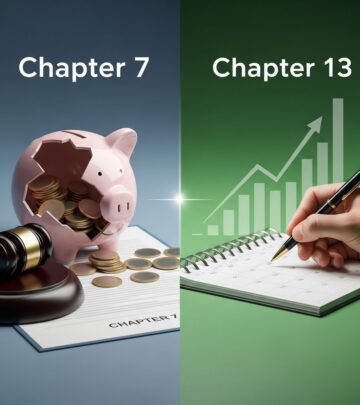
Understanding the distinction between Chapter 7 and Chapter 13 bankruptcies is crucial for anticipating credit card outcomes. Chapter 7 involves liquidation of non-exempt assets to erase unsecured debts, typically including credit card balances, leading to account closures. Chapter 13, conversely, establishes a repayment plan over three to five years, potentially permitting retention of secured debts if payments continue.
- Chapter 7: Debts discharged in 4-6 months; cards usually canceled.
- Chapter 13: Discharge after plan completion (3-5 years); possible to reaffirm debts on essential cards.
Reaffirmation agreements require court approval and a demonstrated ability to pay, ensuring the debt survives bankruptcy.
Timeline for Accessing New Credit Cards
You must wait until bankruptcy discharge before applying for new credit cards, as active cases restrict new credit. Chapter 7 discharge occurs in about four to six months, while Chapter 13 follows final payments, adding 6-8 weeks.
| Bankruptcy Chapter | Average Discharge Time | Post-Discharge Wait for Cards |
|---|---|---|
| Chapter 7 | 4-6 months | Immediate application possible |
| Chapter 13 | 3-5 years + 6-8 weeks | After final payment and discharge |
Post-discharge, the bankruptcy notation lingers on reports for 10 years (Chapter 7) or 7 years (Chapter 13), but it does not bar applications.
Secured Credit Cards: The Primary Rebuilding Tool
Secured cards stand out as the most accessible option post-bankruptcy, requiring a refundable deposit that sets your credit limit, usually $200-$500. This mitigates issuer risk, boosting approval rates.
Benefits include reporting positive payment history to bureaus, aiding score recovery. Responsible use—paying on time and keeping utilization below 30%—accelerates improvement.
| Card Name | Min. Deposit | Annual Fee | Key Benefits |
|---|---|---|---|
| Discover it® Secured | $200 | $0 | Cashback rewards, deposit refund on upgrade, first-year match |
| Capital One Platinum Secured | $49 | $0 | Low deposit for $200 limit, 6-month reviews |
| OpenSky® Secured Visa® | $200 | $35 | Potential upgrade after 6 months |
| Chime Credit Builder | No min. | $0 | Tied to checking, no credit check |
Graduation to unsecured cards often occurs after 6-12 months of good behavior.
Unsecured and Second-Chance Credit Cards
Unsecured cards skip deposits but demand stronger profiles, often featuring high fees and APRs. “Second-chance” variants target subprime borrowers, including post-bankruptcy applicants.
- Credit One Bank® Platinum Visa®: 1% cashback, $75-$99 fee.
- Capital One QuicksilverOne: 1.5% cashback, annual fee.
- Petal, Tomo, or Cred.ai: Fintech options with alternative approvals.
These suit those with improving scores but require scrutiny of Schumer Box disclosures for fees.
Alternative Paths to Rebuild Credit
Beyond cards, diverse methods hasten recovery. Becoming an authorized user on a trusted account leverages the primary holder’s history without a check.
Retail or gas cards from local issuers approve more readily post-discharge. Credit-builder loans and secured accounts further diversify profiles.
- Apply selectively to minimize inquiries.
- Use <30% utilization.
- Automate payments.
Best Practices for Managing Cards After Bankruptcy
Avoid overextending; bankruptcy bars refiling for 8 years, heightening debt risks. Prequalify via tools like Bankrate’s CardMatch to gauge odds without dings.
Monitor reports via AnnualCreditReport.com. Target FICO improvements: scores rebound notably within 1-2 years of on-time payments.
Frequently Asked Questions
Can I keep any credit cards during bankruptcy?
Rarely for unsecured cards in Chapter 7; possible via reaffirmation if payments are current. Secured cards depend on collateral retention.
How soon after discharge can I apply for a card?
Immediately, favoring secured options for high approval.
Will bankruptcy prevent card approvals forever?
No; it impacts for 7-10 years, but rebuilding unlocks mainstream products.
Are secured card deposits returned?
Yes, often upon upgrade to unsecured status after proven responsibility.
What if denied for a secured card?
Explore credit-builder accounts or authorized user status; retry after 6 months.
Long-Term Financial Recovery Roadmap
Combine cards with budgeting, emergency funds, and debt avoidance. Scores above 670 typically access better terms within 2 years.
Track progress quarterly; diversify credit mix for optimal scoring models.
References
- When To Apply For A Credit Card After Bankruptcy — Bankrate. 2026. https://www.bankrate.com/credit-cards/bad-credit/how-long-after-bankruptcy-credit-card/
- Rebuilding Credit After Bankruptcy in 2026: Which Cards Are Best? — MoneyLion. 2026. https://www.moneylion.com/learn/credit-cards-after-bankruptcy
- How to Get Credit Cards After Bankruptcy — Discover. 2026. https://www.discover.com/credit-cards/card-smarts/how-to-get-a-credit-card-after-bankruptcy/
- What Are the Most Bankruptcy-Friendly Credit Cards? — Upsolve. 2026. https://upsolve.org/learn/bankruptcy-friendly-credit-cards/
- How to Repair Credit History After Bankruptcy — Equifax. 2026. https://www.equifax.com/personal/education/personal-finance/articles/-/learn/rebuilding-credit-after-bankruptcy/
- 10 Keys to Getting New Credit Cards After Bankruptcy — American Bankruptcy Institute. 2026. https://www.abi.org/feed-item/10-keys-to-getting-new-credit-cards-after-bankruptcy
Similar Articles








Read full bio of Sneha Tete