Credit Cards Abroad: Essential Tips For Smooth, Fee-Free Travel
Master the essentials of using credit cards overseas to avoid fees, ensure security, and maximize rewards on your next international adventure.
Traveling internationally with credit cards offers convenience, security, and potential rewards, but it requires preparation to sidestep common pitfalls like extra fees and declined transactions. This guide explores essential strategies for smooth usage overseas, drawing from established banking practices.
Why Credit Cards Beat Cash Overseas
Credit cards provide superior protection compared to cash, limiting liability for unauthorized charges to $50 under U.S. law for most issuers. They also simplify expense tracking and enable earning rewards on hotels, flights, and meals. Unlike cash, lost or stolen cards can often be replaced quickly abroad through issuer services.
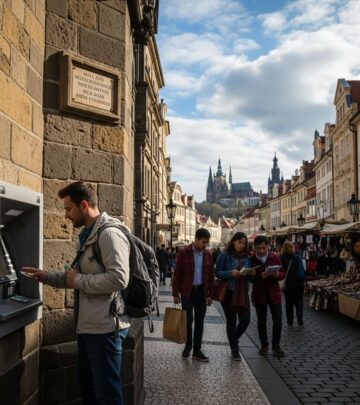
Cash remains useful for small vendors or tipping, but carrying large amounts increases theft risk. ATMs offer on-demand currency, yet they incur withdrawal fees averaging 1-3% plus fixed charges. Currency exchange kiosks at airports often impose high markups, making cards the smarter primary option where accepted.
Navigating Foreign Transaction Fees
These fees, typically 1-3% per purchase, apply to non-domestic transactions and can erode savings rapidly on big expenses like accommodations. Networks and issuers split the charge, so even rewards cards may impose them unless specified otherwise.
To identify fees, review your card’s terms online or contact the issuer directly. Opt for no-fee cards, especially travel rewards options, which waive them to attract globetrotters. For example, many premium cards eliminate these costs entirely.
| Fee Type | Average Rate | Avoidance Tip |
|---|---|---|
| Foreign Transaction | 1-3% | Choose no-fee cards |
| ATM Cash Advance | 3-5% + $5 fixed | Use partner bank ATMs |
| Currency Conversion | Up to 6% | Decline DCC offers |
Pre-Trip Card Preparation Steps
Start by verifying international acceptance; major networks like Visa and Mastercard work at over 40 million merchants globally, while Discover and American Express have growing footprints. Chip-and-PIN cards dominate in Europe, but U.S. chip-and-signature versions suffice most places.
- Notify issuers of travel dates and destinations via app, phone, or online portal to prevent fraud flags—though some like Chase have automated this.
- Request temporary credit limit increases if planning major spends.
- Download issuer apps for real-time alerts, virtual card numbers, and 24/7 support.
- Print physical copies of card details, emergency contacts, and store digitally in secure apps.
Chip Technology and Payment Security
EMV chips generate unique transaction codes, slashing counterfeit risk versus magnetic stripes. Abroad, expect to insert and possibly PIN your card; contactless taps work widely for small amounts. U.S. cards without PINs may require signature fallback.
Enable transaction alerts for immediate monitoring. Use virtual card numbers where available for online bookings. Avoid public Wi-Fi for financial apps; opt for mobile hotspots or hotel ethernet.
Multiple Cards: The Smart Backup Plan
Carry 2-3 cards from different networks to cover acceptance gaps—Visa pairs well with Mastercard, hedging against rare non-acceptance. Designate one for hotels (due to holds tying up limits) and others for daily use.
Limits on cards help: Use high-limit cards for rentals, preserving others. If theft occurs, report promptly—issuers often ship replacements to hotels within 24-48 hours.
Mastering Transactions During Your Trip
Always select local currency at checkout to leverage your issuer’s exchange rate, typically wholesale and fairer than merchant conversions. Decline Dynamic Currency Conversion (DCC), where vendors inflate rates for instant USD quotes.
Retain all receipts, snapping photos for digital records. Monitor statements daily via apps to spot irregularities early. For cash needs, withdraw from your bank’s partner ATMs to minimize fees—apps like Global ATM Alliance locator help.
Cash Access Without Breaking the Bank
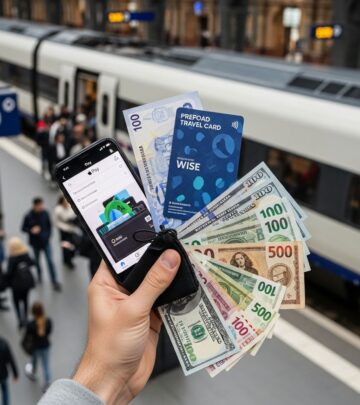
Credit card cash advances carry high fees and immediate interest accrual, often at prime + 20-30%. Prefer debit cards linked to no-fee checking accounts for withdrawals. Preload travel cards or use services like Wise for low-cost transfers.
- Withdraw larger amounts less frequently to cut per-transaction fees.
- Avoid airport/hotel ATMs with 7-10% effective rates.
- Check daily limits abroad, which may drop for security.
Overcoming Declines and Emergencies
Sudden declines often stem from unnotified travel or unusual patterns. Have issuer international numbers handy, including collect-call options. Many offer emergency cash advances or card replacement.
In PIN-heavy regions, signature cards work, but carry a backup. For rentals/hotels, confirm holds in advance—up to $500+ for incidentals.
Maximizing Rewards and Perks Overseas
Travel cards shine abroad: Earn bonus miles on foreign spend, access lounges, or get travel insurance. No-fee cards amplify value—e.g., 3% back on international purchases beats domestic rates.
Pair with cards offering purchase protection, trip delay coverage, and concierge services for seamless trips.
Legal and Consumer Protections Abroad
U.S. Fair Credit Billing Act covers billing errors worldwide, but local laws govern disputes for non-U.S. purchases. Inspect sales slips for correct amounts, noting decimal/comma variances in Europe.
Understand return policies vary; credit cards extend manufacturer warranties on eligible buys.
Frequently Asked Questions
Do all credit cards work abroad?
Most Visa, Mastercard, and Amex do; Discover acceptance grows but lags in some areas. Check issuer maps.
Should I notify my bank before traveling?
Yes, for most issuers to avoid blocks; use apps for instant setup.
What is DCC and why avoid it?
Dynamic Currency Conversion locks in poor merchant rates; always choose local currency.
Are ATM withdrawals free abroad?
Rarely; seek reimbursement perks or partner networks.
How do I handle lost cards overseas?
Contact issuer immediately; use app chat or emergency lines for replacements.
Post-Trip Best Practices
Review statements for discrepancies within 60 days. Redeem rewards promptly. Update profiles with lessons learned for future trips.
References
- Foreign Transaction Fees: A Guide to International Credit Cards — Amerant Bank. 2023. https://www.amerantbank.com/ofinterest/foreign-transaction-fees-credit-card-guide/
- 6 Tips for Using a Credit Card Overseas — Citi. 2024. https://www.citi.com/credit-cards/credit-card-rewards/using-your-credit-card-abroad
- Guide to using your credit card for international travel — Chase. 2024. https://www.chase.com/personal/credit-cards/education/rewards-benefits/credit-card-for-international-travel
- Using Credit and Charge Cards Overseas — State of Michigan DIFS. 2022. https://www.michigan.gov/difs/related-links/consumer-info/crd-cards/using-credit-and-charge-cards-overseas
- 10 Tips For Using Credit Cards While Traveling — Bankrate. 2025-01-15. https://www.bankrate.com/credit-cards/travel/tips-for-traveling-with-credit-cards/
Similar Articles








Read full bio of Sneha Tete