Credit Cards for Vehicle Purchases: What You Need to Know
Learn whether charging a car purchase to your credit card is viable and what alternatives exist.
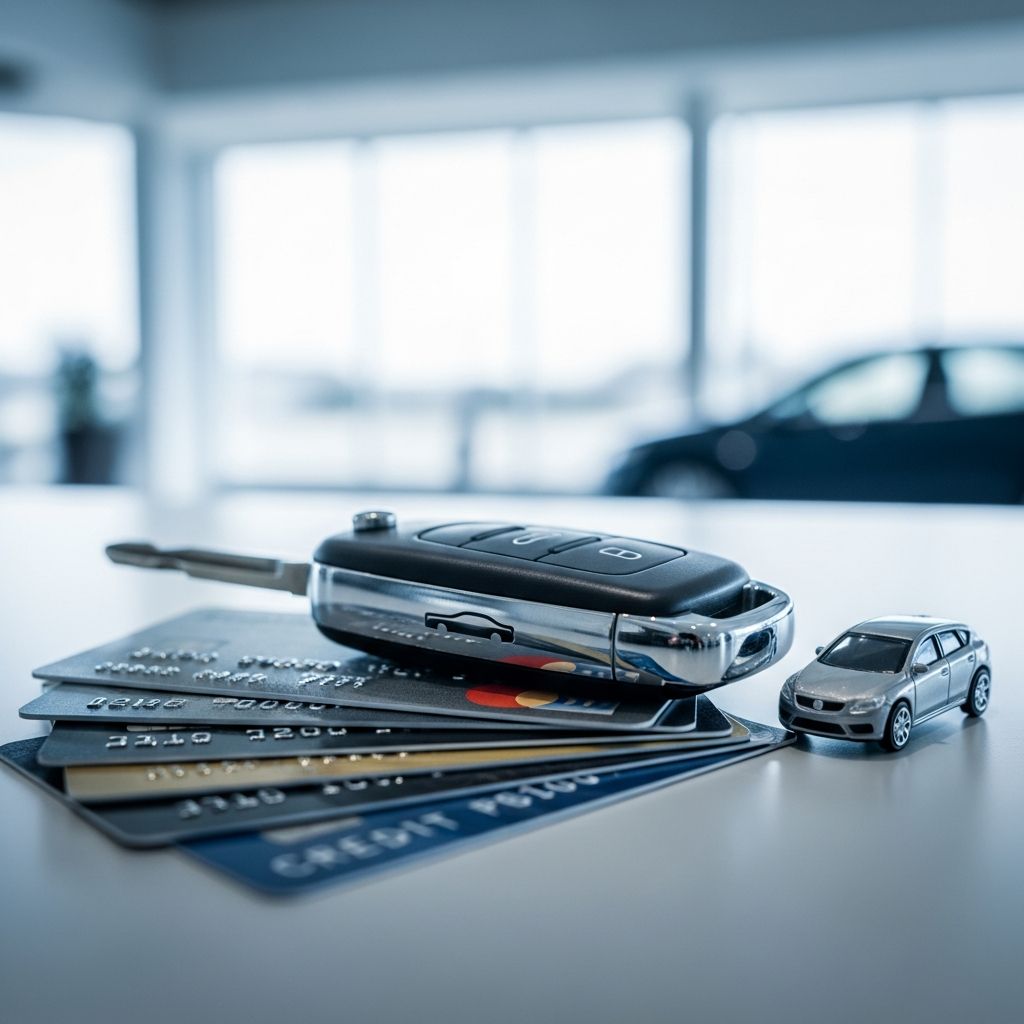
Many consumers wonder whether they can leverage their credit cards to finance a vehicle purchase, and the answer isn’t straightforward. While credit cards offer convenience and potential rewards, vehicle dealerships often maintain strict policies about accepting them as payment. Understanding these policies, the associated costs, and when a credit card approach actually benefits you financially is essential before attempting this purchasing strategy.
The Reality of Credit Card Acceptance at Dealerships
Car dealerships operate with different policies regarding credit card payments, and there is no universal standard across the industry. Some dealerships welcome credit card transactions, while others actively discourage them or refuse them entirely. The variability means that what one dealer permits may be completely off-limits at another location.
The primary reason for dealership hesitation centers on processing fees. When a dealership accepts a credit card, the card network charges the merchant a transaction fee, typically ranging from 1.5% to 3.5% of the total transaction amount. On a $50,000 vehicle, this translates to fees between $750 and $1,750 that come directly from the dealership’s profit margin. For luxury vehicles exceeding $100,000, these fees can reach $3,500 or more.
Because these fees represent a substantial cost burden, dealerships prefer alternative payment methods such as cash, debit cards, or auto loans that don’t incur processing charges.
Full Vehicle Purchase via Credit Card
Technically, you can sometimes purchase an entire vehicle with a credit card, but this depends on three critical factors: the dealership’s willingness to accept the payment, your available credit limit, and your card issuer’s fraud prevention protocols.
For a full purchase to be viable, you must meet these conditions:
- Sufficient available credit to cover the entire purchase price
- Advance notification to your card issuer to prevent fraud holds
- A dealership that permits full credit card payments
- Clear financial ability to pay off the balance immediately
Even when these conditions are met, paying for a complete vehicle with a credit card only makes financial sense if you can clear the balance right away. Otherwise, interest charges accumulate at rates substantially higher than auto loan rates, making the vehicle far more expensive over time.
Strategic Down Payment Approaches
If a dealership refuses full credit card payment, many will allow you to charge your down payment or a portion of the purchase price. This approach offers several advantages and fewer complications than attempting a complete credit card purchase.
Standard down payment amounts typically range around 20% of the vehicle’s purchase price, though no specific requirement exists. Applying this percentage to a $50,000 vehicle would mean a $10,000 down payment, which represents a manageable credit card charge that many dealerships will accept.
The benefits of using a credit card for down payments include:
- Earning rewards points on a substantial purchase
- Maintaining larger cash reserves for emergency expenses
- Building purchase history with rewards programs
- Flexibility in payment timing if you have an introductory APR offer
Understanding Transaction Fees and Dealer Policies
When dealerships accept credit card payments, they often pass the processing fees directly to customers. A 3% processing fee on a $10,000 down payment equals $300 in additional charges that you may be responsible for paying. Some dealerships absorb these costs, while others make them explicit in the final contract.
Fee structures vary by state and local regulations. Before committing to a credit card purchase, clarify with the dealership whether they will absorb processing fees or charge them to you. Getting this confirmation in writing protects you from unexpected charges.
| Transaction Amount | Processing Fee at 1.5% | Processing Fee at 3% | Processing Fee at 3.5% |
|---|---|---|---|
| $10,000 | $150 | $300 | $350 |
| $25,000 | $375 | $750 | $875 |
| $50,000 | $750 | $1,500 | $1,750 |
Credit Utilization and Interest Rate Considerations
Using a credit card for a large purchase significantly affects your credit utilization ratio—the percentage of available credit you’re using. High utilization can temporarily lower your credit score, even if you pay the balance immediately.
Additionally, credit card interest rates substantially exceed auto loan rates. While auto loans typically range from 4% to 8% depending on credit quality, credit card APRs frequently exceed 15% to 25%. A vehicle financed at these rates becomes dramatically more expensive than when financed through traditional auto loans.
The exception to this disadvantage occurs when you obtain a credit card with a 0% introductory APR offer on new purchases. Under this circumstance, if you can pay off the vehicle balance within the promotional period, you avoid interest charges entirely while potentially earning rewards.
Negotiation Strategies for Credit Card Payments
Successfully using a credit card to purchase a vehicle often requires negotiation. One effective strategy involves negotiating the final price of the vehicle first, before mentioning your desire to pay with a credit card. This prevents the dealer from building the processing fee into the negotiated price from the start.
If you locate a dealership willing to accept credit card payment, you might negotiate the processing fees as part of the overall deal structure. Some consumers have successfully haggled with multiple dealerships before finding one receptive to card payments.
For those pursuing rewards, splitting a large payment across multiple credit cards can help meet minimum spending requirements for new card sign-up bonuses on several accounts simultaneously. However, this approach only makes sense if the combined rewards value exceeds any processing fees you’ll incur.
Private Sellers and Alternative Purchasing Scenarios
If you’re buying from a private seller rather than a dealership, credit card acceptance becomes even less likely. Private individuals typically lack payment processing infrastructure and are unlikely to accept credit cards for any portion of the transaction. For private sales, expect to use cash, bank transfers, or cashier’s checks instead.
Preparing for a Credit Card Car Purchase
If you decide to proceed with a credit card purchase or down payment, follow these preparatory steps:
- Contact your card issuer before attempting the purchase to ensure they won’t flag the transaction as fraud
- Confirm your available credit limit accommodates the intended charge
- Call the dealership ahead of time to confirm their credit card policies and any limits they impose
- Ask specifically whether processing fees will be passed to you or absorbed by the dealership
- Verify the dealership’s policy in writing before finalizing the purchase
- Have a clear repayment plan to eliminate the balance quickly if interest-free introductory rates don’t apply
When Credit Card Purchases Make Financial Sense
A credit card purchase or down payment benefits you financially in these specific scenarios:
- You have cash available to pay the balance immediately, using the card purely for rewards
- You’ve secured a 0% introductory APR on new purchases and can eliminate the balance within the promotional period
- The rewards earned significantly exceed any processing fees charged
- You’re meeting minimum spending requirements for valuable sign-up bonuses
Conversely, charging a vehicle purchase to a standard-rate credit card without immediate repayment ability creates financial problems. The interest charges quickly overwhelm any rewards earned, and you’ll pay substantially more for the vehicle than you would through traditional auto financing.
Frequently Asked Questions
Can I buy a car with a credit card from any dealership? No. Dealership policies vary significantly. Some accept credit cards with limits, others accept them fully, and some refuse them entirely. Always contact the dealership beforehand.
What percentage of dealerships accept credit cards for full purchases? There’s no industry-wide data, but many dealerships limit credit card transactions to down payments or partial payments due to processing fees.
Will using a credit card for a car purchase hurt my credit score? Temporarily, yes. The high credit utilization may reduce your score, but paying off the balance quickly minimizes long-term impact.
Are there any states where dealerships can’t charge processing fees to customers? Regulations vary by state. Some states restrict or prohibit passing processing fees to customers, while others permit it.
Is a 0% APR credit card offer a good way to buy a vehicle? Only if you can pay off the balance within the promotional period. Track the expiration date carefully to avoid regular APR charges.
References
- Can You Buy a Car With a Credit Card? — Edmunds. 2024. https://www.edmunds.com/car-buying/can-you-buy-car-with-credit-card.html
- Can You Buy a Car With a Credit Card? — Experian. 2024. https://www.experian.com/blogs/ask-experian/can-i-buy-a-car-with-a-credit-card/
- Can You Buy a Car with a Credit Card — Discover. 2024. https://www.discover.com/credit-cards/card-smarts/can-you-buy-a-car-with-a-credit-card/
- Can You Buy a Car With a Credit Card? — Citi. 2024. https://www.citi.com/credit-cards/understanding-credit-cards/can-you-buy-car-with-credit-card
- Can you buy a car with a credit card? What you need to know — The Points Guy. 2024. https://thepointsguy.com/credit-cards/can-you-buy-a-car-with-a-credit-card/
- Can You Buy A Car Using a Credit Card? — Easterns Automotive Group. 2024. https://www.easterns.com/can-you-buy-a-car-using-a-credit-card
- Can You Buy A Car With A Credit Card? — Bankrate. 2024. https://www.bankrate.com/credit-cards/advice/buy-car-with-credit-card/
Similar Articles








Read full bio of Sneha Tete